For more than a decade, Model S and Model X represented Tesla’s identity as a premium electric vehicle innovator. Ending their production would mark the close of an era and the beginning of a new phase centered on artificial intelligence robotics and automation.
This FAQ explainer breaks down what this move means for Tesla, the automotive industry, and the future of humanoid robots.
What are model s and model x and why are they important
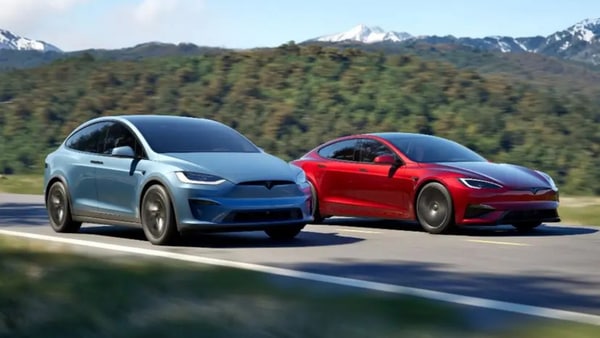
Model S and Model X are among Tesla’s earliest mass produced vehicles. Model S helped redefine electric cars by proving they could be fast long range and desirable. Model X introduced advanced features such as falcon wing doors and became a showcase for Tesla’s engineering ambitions.
These models played a crucial role in establishing Tesla as a serious global automaker rather than a niche startup. They also served as technology demonstrators introducing features that later filtered down to more affordable models.
Despite their importance, both vehicles have struggled in recent years with declining sales volumes compared to Model 3 and Model Y.
Why would tesla end production of model s and x
The main reason is strategic focus. Model S and Model X represent a small fraction of Tesla’s total deliveries while requiring complex manufacturing processes and higher production costs.
From a business perspective, continuing to produce low volume high complexity vehicles limits Tesla’s ability to scale new technologies. Ending these lines allows Tesla to reallocate capital engineering talent and factory space toward projects with higher long term growth potential.
Another factor is market saturation. The luxury electric vehicle segment has become crowded with competition offering similar features at competitive prices. Tesla’s differentiation in this segment has narrowed.
Is tesla abandoning cars altogether
No. Tesla is not exiting the automotive business. Vehicles remain the company’s primary revenue source. However, Tesla is redefining its future growth narrative.
Rather than relying solely on car sales, Tesla aims to become a broader artificial intelligence and robotics company. Electric vehicles are increasingly seen as one application of Tesla’s AI and manufacturing capabilities rather than the final goal.
Ending Model S and X production does not mean Tesla will stop making cars. It means Tesla is prioritizing platforms that scale globally and support its long term vision.
What is optimus and why does it matter
Optimus is Tesla’s humanoid robot designed to perform repetitive and physically demanding tasks. It is intended to operate in factories warehouses and eventually homes.
Tesla believes Optimus could become its most valuable product. The company argues that a general purpose humanoid robot has a much larger addressable market than automobiles.
If successful Optimus could transform labor intensive industries by reducing costs improving safety and increasing productivity.
How is optimus different from other robots
Most industrial robots are fixed machines designed for specific tasks. Optimus is designed to be adaptable and mobile with human like form and movement.
Tesla leverages its expertise in computer vision neural networks and autonomous systems developed for self driving cars. Optimus uses similar AI foundations but applies them to physical manipulation and navigation.
The humanoid design allows Optimus to work in environments built for humans without major infrastructure changes.
Why is tesla confident in robotics
Tesla already operates some of the most automated factories in the world. The company builds its own motors batteries software and manufacturing equipment.
According to Tesla leadership the same AI systems used for vehicle autonomy can be repurposed for robotics. Training robots to understand and interact with the physical world is seen as a natural extension of Tesla’s existing capabilities.
This vertical integration gives Tesla an advantage compared to robotics startups that must rely on third party hardware or software.
How will ending model s and x help optimus development
Ending Model S and X production frees up engineering teams factory capacity and capital. These resources can be redirected toward Optimus research development and pilot production.
Manufacturing humanoid robots at scale requires new production lines extensive testing and rapid iteration. Tesla needs focus and flexibility to achieve this.
By simplifying its vehicle lineup Tesla reduces internal complexity and accelerates its transition toward robotics.
What does this mean for tesla employees
For employees working directly on Model S and X production the transition may involve reassignment rather than layoffs. Tesla historically moves talent between projects as priorities change.
Engineers designers and manufacturing specialists may shift toward Optimus development battery innovation or next generation vehicle platforms.
However such transitions can be challenging and may involve restructuring within certain teams.
What does this mean for customers
Existing Model S and X owners are not expected to lose support. Tesla typically continues software updates maintenance and parts availability for discontinued models.
Future buyers interested in premium Tesla vehicles may need to look at high end versions of Model 3 and Model Y or wait for new models that align with Tesla’s revised strategy.
The move signals that Tesla is less focused on luxury status symbols and more focused on scalable technology platforms.
Will optimus replace human jobs
This is one of the most debated questions. Tesla argues that Optimus will initially handle dangerous repetitive or undesirable tasks rather than replace meaningful human work.
In factories robots could reduce workplace injuries. In logistics they could address labor shortages. Over time broader deployment could change job markets significantly.
The long term societal impact will depend on regulation adoption speed and how companies integrate robots into existing workforces.
Is this a risky move for tesla
Yes but Tesla has a history of taking bold risks. Betting heavily on robotics introduces uncertainty in timelines costs and market acceptance.
Humanoid robots remain largely unproven at scale. Technical challenges include balance dexterity energy efficiency and safety.
However Tesla believes the potential upside far outweighs the risks especially compared to incremental improvements in mature vehicle segments.
How does this fit into elon musk’s vision
Elon Musk has repeatedly described Tesla as an AI company rather than a car company. He views Optimus as central to solving global labor shortages and improving living standards.
Ending Model S and X production aligns with Musk’s belief that Tesla should focus on transformative technologies rather than legacy products.
This vision is controversial but consistent with Tesla’s past decisions such as investing heavily in autonomous driving and battery technology.
How will investors react
Investor reaction is likely to be mixed. Some will see the move as visionary positioning Tesla for exponential growth beyond automotive markets.
Others may worry about execution risk and near term revenue stability. Traditional investors often prefer predictable cash flows while robotics development may take years to mature.
Market response will depend on how clearly Tesla communicates milestones and progress related to Optimus.
Could other automakers follow this path
Most traditional automakers lack Tesla’s vertical integration and AI expertise. While many companies invest in robotics and automation few are developing general purpose humanoid robots.
Tesla’s approach may inspire others but replicating it would require major organizational and cultural changes.
This move further differentiates Tesla from legacy automakers and positions it closer to technology companies.
What does this mean for the future of electric vehicles
Electric vehicles are becoming mainstream and increasingly commoditized. As competition grows margins tighten.
Tesla’s shift suggests that future value may come less from selling cars and more from owning the software AI and automation layers that power them.
Vehicles may become platforms for data collection and AI training rather than standalone profit centers.
Is optimus production realistic in the near term
Tesla has demonstrated Optimus prototypes performing basic tasks. Scaling production to meaningful volumes remains a major challenge.
Short term use is likely to be internal within Tesla factories. External sales could follow once reliability safety and cost targets are met.
Full household adoption is likely many years away.
How does this change tesla’s identity
Ending Model S and X production symbolizes Tesla’s evolution from a premium electric car brand into a diversified AI and robotics company.
The company that once aimed to make electric cars desirable is now aiming to redefine how humans work and interact with machines.
This identity shift may alienate some long time fans while attracting a new generation of investors and engineers.
What are the biggest challenges ahead
Technical challenges include improving robot dexterity vision and autonomy. Manufacturing challenges include cost reduction and quality control.
Ethical and regulatory challenges include safety standards workforce impact and public acceptance.
Tesla must also balance robotics development with maintaining leadership in electric vehicles energy storage and software.
Could this move fail
Yes. Robotics development could face delays or fail to achieve commercial viability. Competition could accelerate. Regulatory hurdles could slow deployment.
If Optimus does not deliver Tesla would need to rely more heavily on its automotive and energy businesses.
However Tesla has shown resilience and adaptability in the past.
Why this decision matters globally
If Tesla succeeds it could accelerate global adoption of humanoid robots reshaping labor markets manufacturing and daily life.
Ending Model S and X production may be remembered not as a retreat but as a turning point where Tesla chose to invest in the future rather than protect legacy products.