WMO warns of escalating instability in global water cycle


The World Meteorological Organization (WMO) has reported that the global water cycle is becoming increasingly erratic, shifting between extreme droughts and devastating floods.
The State of Global Water Resources 2024 report highlights the growing pressure on freshwater sources and the cascading impacts of climate change on societies and economies, News.Az reports, citing foreign media.
The report reveals that only about one-third of river basins worldwide experienced "normal" conditions last year—marking the sixth consecutive year of imbalance. The Amazon Basin and southern Africa endured severe drought, while central and eastern Africa, Central Europe, and parts of Asia faced wetter-than-average conditions.
"Water sustains our societies, powers our economies, and anchors our ecosystems. And yet the world’s water resources are under growing pressure, and—at the same time—more extreme water-related hazards are having an increasing impact on lives and livelihoods," WMO Secretary-General Celeste Saulo stated in the report.
Glaciers worldwide lost 450 gigatons of ice in 2024, the third consecutive year of widespread shrinkage.
This annual loss is equivalent to filling 180 million Olympic swimming pools and contributes approximately 1.2 millimeters to global sea levels, heightening risks for hundreds of millions in coastal zones, according to the report.
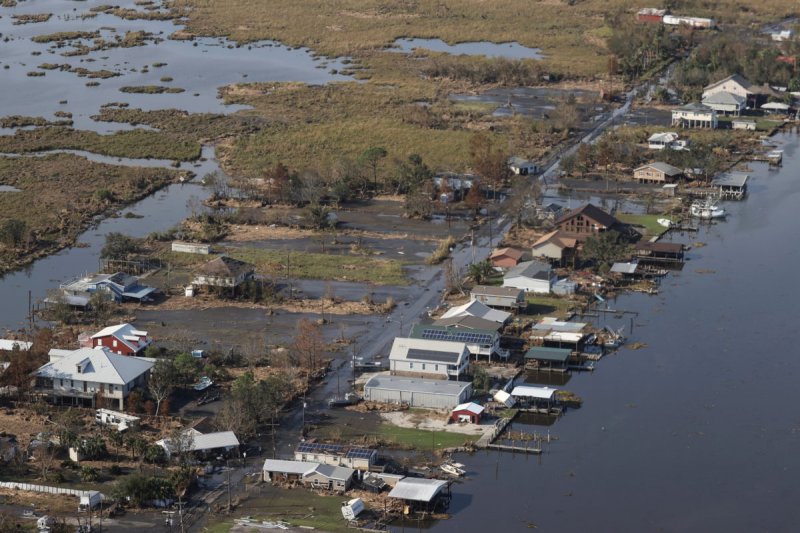
Extreme weather events have also compounded the crisis. Africa's tropical zone suffered heavy rainfall that killed 2,500 people and displaced four million.
Europe experienced its most extensive flooding since 2013, while Brazil endured both catastrophic floods in the south and prolonged drought in the Amazon, affecting nearly 60% of its territory.
"Reliable, science-based information is more important than ever before because we cannot manage what we do not measure," Saulo said. "Continued investment and enhanced collaboration in data sharing are vital to close monitoring gaps. Without data, we risk flying blind."


Similar news