Zelenskyy acknowledges lack of dialogue on controversial anti-corruption law amid protests


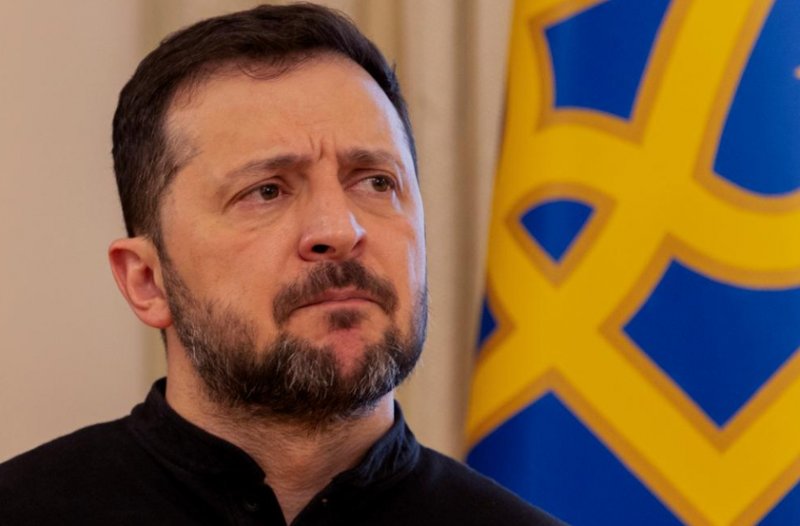
Ukrainian President Volodymyr Zelenskyy has admitted that greater dialogue was needed before the adoption of a controversial new law that curtails the independence of Ukraine’s anti-corruption bodies. Speaking to journalists on July 24, Zelenskyy stated, “Probably, there should have been a dialogue. Communication is always necessary,” as public protests and criticism from Western allies continued to mount.
The law, signed by Zelenskyy on July 22 shortly after its passage in parliament, expands the powers of the prosecutor general over the Specialized Anti-Corruption Prosecutor’s Office (SAPO) and the National Anti-Corruption Bureau of Ukraine (NABU). Among other things, it allows the prosecutor general to issue binding instructions to NABU and reassign or delegate SAPO cases — moves that critics say dismantle crucial safeguards designed to keep these agencies free from political interference, News.Az reports, citing foreign media.
Zelenskyy said that while the country remains focused on war-related issues — which he called Ukraine’s “number one issue” — the public reaction made it clear that the concerns could not be ignored. “People have the right to say what they think… People asked for changes. We responded,” he said, signaling an effort to ease tensions.
Just two days after signing the bill, Zelenskyy submitted a new draft law to parliament aimed at reversing the most controversial elements. Ukraine’s Anti-Corruption Action Center (AntAC), one of the country’s leading watchdogs, welcomed the new proposal, saying it could restore essential protections dismantled by the original bill.
The backlash from the law has not only prompted street demonstrations in Kyiv, Lviv, Dnipro, and Odesa but also raised concerns in the European Union. International leaders reportedly contacted Zelenskyy directly to urge him to reconsider the move, citing its potential impact on Ukraine’s EU integration process. In response, Zelenskyy reassured European partners that he was committed to resolving the issue.
“We are part of the same infrastructure as Europe; we want to be part of Europe. No one is willing to take any risks,” Zelenskyy said, adding that his new proposal is built around restoring the independence of Ukraine’s anti-corruption institutions.
The original law was justified by authorities as a necessary step to eliminate possible Russian influence over law enforcement agencies. However, critics pointed out that the text of the bill did not contain any practical measures to address Russian interference.
Zelenskyy said that the new draft includes provisions requiring anti-corruption and law enforcement officials to undergo polygraph testing every two years as a safeguard against foreign influence. Until the new bill is debated and potentially passed by parliament, the controversial July 22 law remains in force.
The president's recent remarks reflect growing awareness that trust in anti-corruption institutions is crucial — both for maintaining domestic support and for staying aligned with Ukraine’s Western allies during a time of war and reconstruction.


Similar news