Zimbabwe halts exports of all raw minerals and lithium concentrates


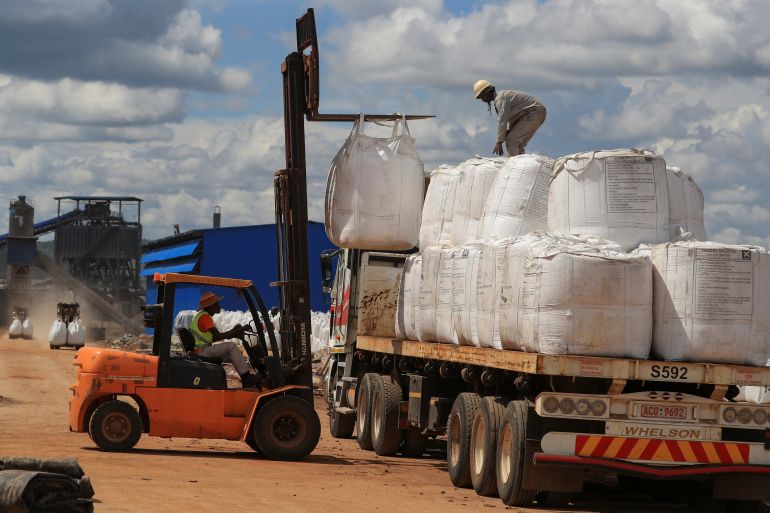
Zimbabwe has suspended exports of all raw minerals and lithium concentrates with immediate effect, including minerals currently in transit, the government announced on Wednesday.
Minister of Mines and Mining Development Polite Kambamura said the move aims to ensure “transparency, in-country value addition, and accountability” in the country’s mineral exports. The ban, originally scheduled for January 2027, was moved forward due to concerns over continued malpractices in mineral shipments, News.Az reports, citing Al Jazeera.
Zimbabwe, home to Africa’s largest lithium reserves, exported 1.128 million metric tonnes of lithium-bearing spodumene concentrate in 2025, mainly to China for further processing. The government has urged miners to refine more minerals domestically to benefit from the global shift toward green energy.
RECOMMENDED STORIES
Kambamura added that authorities will engage mining companies soon to outline new expectations and the path forward. Mining accounts for 14.3% of Zimbabwe’s GDP, making it the country’s second-largest economic sector after manufacturing.
Chinese firms, including Zhejiang Huayou Cobalt, Sinomine, Chengxin Lithium Group, and Yahua, have heavily invested in Zimbabwe’s lithium sector. Huayou recently completed a $400 million processing plant, while Sinomine announced plans for a $500 million lithium sulphate plant.
The export restrictions reflect Zimbabwe’s broader effort to control strategic minerals, reduce supply chain leaks, and maximize local economic benefits from rare earths critical for electronics, green energy, and defense industries.
By Aysel Mammadzada


Similar news