INTERVIEW. What to expect from COP29 in Azerbaijan?


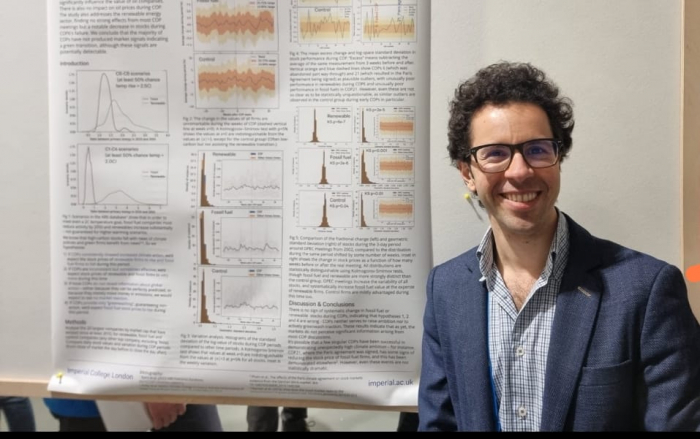
The analytical-information portal News.Az continues its series of articles, interviews and videos entitled "COP29 Baku". As part of this series, we will be posting interviews with and videos of prominent climate and environmental experts. Our guest today is Alaa Al Khourdajie, a Research Fellow at Imperial College London based in the Department of Chemical Engineering.
- In your opinion, what are the main goals of the COP29 world conference, which will be held in Azerbaijan, and what priorities will be highlighted to achieve these goals? What are your expectations from this conference?- COP conferences continue to facilitate the urgently needed negotiations and discussions around mitigation of CO2 and GHG emissions, support for adaptation, as well as other key considerations such as finance, technological transfer and loss and damage. Since the Paris Agreement, and especially the Global Stocktake process that accompanies it, COPs have become the platform for countries to update and increase their mitigation pledges (known as NDCs), but also other new initiatives such as those announced in COP28 in relation to methane emissions, and renewables uptake show progress too.
Despite all that, we continue to see what we call the 'implementation gap' where actual policies on the ground, across most countries, are not sufficient to fulfil these pledges and promises. Therefore, it would be important for COP29 to define mechanisms and milestones for putting these pledges into actions. Most urgently, it is important to focus on channelling adaptation funds for developing, least developed countries and small island states given the increasing prevalence of climate-related damages and impact.
The discussion around phasing out fossil fuels has been gaining prominence in recent COPs. However, we are yet to reach an agreement on a clear commitment for unabated fossil fuels, and the definition of what could count as abated fossil fuels (that is with the use of carbon capture and storage technology, CCS). Furthermore, for COP29 there is a new potential proposal called “North-South Financial Mechanism” being prepared that will place a levy on oil, gas and coal production in order to fund climate action in developing countries. However, this proposal should not, in any way, mean that fossil fuel production can continue. Fossil fuels production must be phased out as soon as possible, despite such proposals. In the meantime (i.e. very short term), all proceeds from such a levy should fund new and additional mitigation and adaption projects, as well as contribute to the loss and damage fund.

- Is a green transition possible worldwide? What are the prospects for this transition and what difficulties will countries face?
- Evidence in the latest IPCC report shows that since 2010, there have been sustained decreases of up to 85% in the costs of solar and wind energy, and batteries. At the same time, there have been large increases in capacity installed. Options to reduce GHG emissions by at least half of the 2019 level by 2030 are available at a cost of $100 tCO2-eq or less. Options costing less than $20 tCO2-eq make up more than half of the 2030 reduction potential. The monetary benefits of a small number of options exceed their costs. Large contributions to emissions reductions come from solar and wind energy, energy efficiency improvements, natural habitat conservation and methane emissions reductions (from coal mining, oil and gas, waste). International cooperation on technology development and transfer accompanied by capacity building and finance can accelerate the global diffusion of mitigation technologies across the world.
- What is the greater threat to the green transition - reduction in investment or available technologies for it?
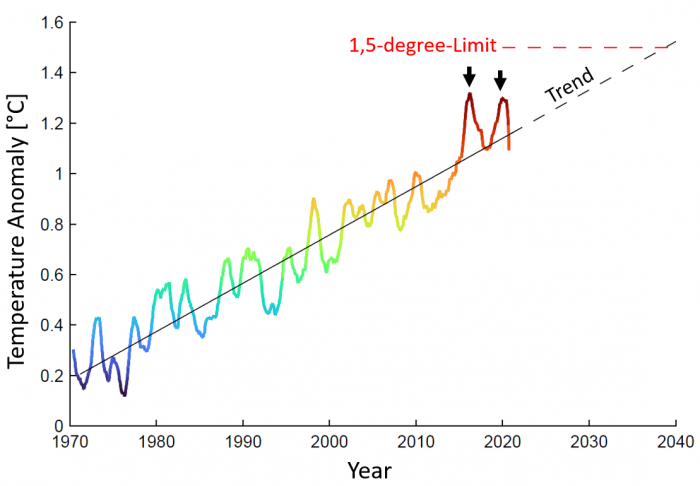
- Supporting low-emission technological innovation is strengthened through increased technology-push policies and investments, such as for scientific training and R&D. Financial flows are a factor of three to six below the levels needed by 2030 to limit warming to below 1.5°C or 2°C. The challenge of closing gaps is widest for developing countries. There is sufficient global capital and liquidity to close investment gaps, but it relies on clear signaling from governments and the international community, including a stronger aligning of public sector finance and policy. Accelerated international financial cooperation is critical to achieving low emissions and just transitions, and can address inequities in access to finance and the costs of, and vulnerability to, the impacts of climate change.
- What innovative technologies and initiatives to combat climate change are being introduced today?
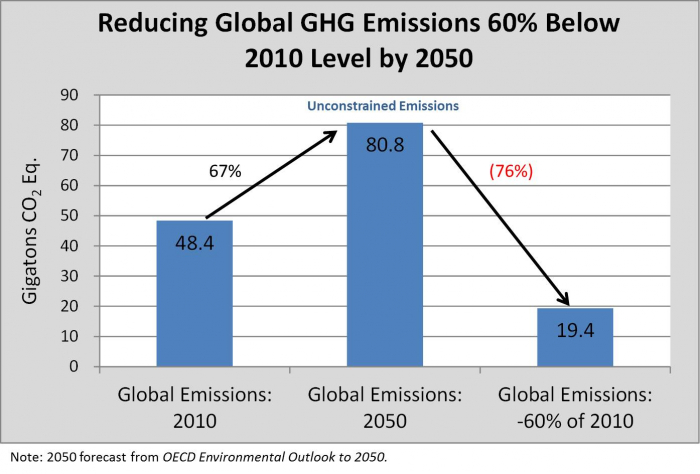
- Innovation should also focus on the demand side. Significant changes across transport, industry, buildings and land use will make it easier for people to lead low-carbon lifestyles and, at the same time, improve wellbeing. By 2050 a combination of effective policies, improved infrastructure and technologies leading to behavioral change has the potential to enable reductions in GHG emissions by between 40 and 70%.
Related articles:
- Baruch Fischhoff: Attendees of COP29 Baku to be motivated by different goals
- COP29 Baku to outline more ambitious climate action strategies – Malaysian expert
- COP29 will bring several opportunities for Azerbaijan - US expert
- Nithi Nesadurai: COP29 in Baku to discuss increasing climate project funding


Similar news