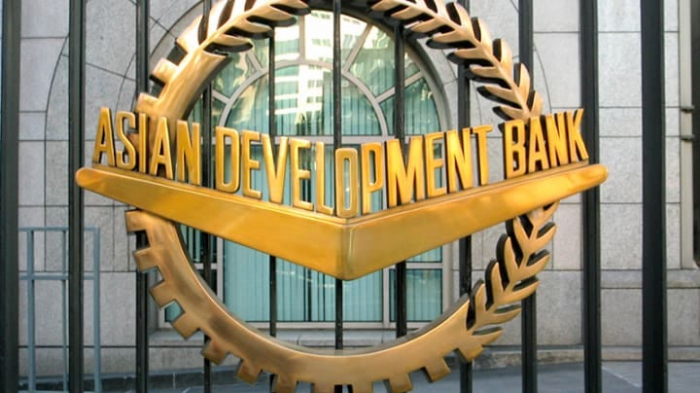
ADB ready to invest in South Caucasus transport network


By Sabina Alizade
The Asian Development Bank (ADB) is ready to invest in the restoration of the transportation network in the South Caucasus, which will open up new prospects for regional development and cooperation. The initiative aims to improve transportation and expand collaboration with key regional partners, particularly with Azerbaijan Railways .
Yevgeny Zhukov , ADB's Director for Central and Western Asia, stated in an interview during the Bank's annual meeting in Tbilisi that they aim to continue expanding their cooperation with Azerbaijan Railways and work more on transportation, as there are many unfinished tasks for the restoration of the entire network. He also expressed the hope that successful negotiations and a peace treaty between Azerbaijan and Armenia will make it possible to open additional transportation corridors, better connecting Azerbaijan and the region with the world.
Zhukov said there is an old railway stretching from the southern part of Azerbaijan to Nakhchivan through Armenian territory. He noted that if a peace treaty and other agreements are reached, the ADB will be very pleased to invest in restoring this network, of course, according to the priority decisions of the Azerbaijani government.
The restoration of the transportation network in the South Caucasus is strategically important for ensuring sustainable economic growth and maintaining peace in the region. ADB representatives emphasize the importance of successful negotiations between Azerbaijan and Armenia, as a peace treaty would open up new opportunities for the development of transportation corridors and boost relations between the two countries.

Vugar Bayramli, a member of parliament and economic expert, noted that the ADB previously supported transportation projects in the South Caucasus, including the formation of a transportation network and the financing of road restoration projects. Logistics is a priority field for the ADB, and the bank has always supported projects in this field in the South Caucasus.
Bayramli emphasized that Azerbaijan is one of the countries closely cooperating with the ADB in this field, and these projects are specifically selected by the bank and approved by member countries of the ADB board.
He stated that applications from South Caucasus countries are also considered, and the bank has supported transportation projects not only in the South Caucasus but in other regions as well. However, the South Caucasus is a priority for the ADB, especially since a sustainable peace in the region could lead to the formation of a new order. The acceleration of delimitation and demarcation processes, and peace negotiations between Azerbaijan and Armenia are practically increasing leading international organizations' interest in the region.
Bayramli sees the current difficulties in the fact that there is no peace treaty between Azerbaijan and Armenia, as both countries have different logistical infrastructure. He noted that Azerbaijan has a more developed logistical structure and makes more use of electronic services, whereas Armenia's transportation infrastructure is less developed, which creates integration challenges for the projects.
The opening of communications, including the Zangazur corridor, is delayed by the absence of a peace treaty. However, recent negotiations and the initiation of delimitation processes have raised hopes that these issues will be resolved soon.
The lawmaker mentioned that the value of transportation projects will be known after the project is approved. "The ADB always implements large projects related to financing. It is expected that not small but large projects will be financed. Azerbaijan is a regional country that invests the most in transportation infrastructure. It is also possible to involve other leading organizations such as the Asian Infrastructure Investment Bank (AIIB) in the projects."
For international organizations, including the ADB, the sustainability of projects is crucial. Projects are financed when sustainability is a key indicator. However, the main goal here is to achieve a broader implementation of the Middle Corridor, and Azerbaijan is interested in the expansion of the Middle Corridor, which makes these projects more sustainable. Geopolitically, the sustainability of these projects depends on the signing of a peace treaty between Azerbaijan and Armenia. The quicker the treaty is signed, the more sustainable and lasting the projects will be.
The expert noted that the construction of new roads, the restoration of old roads, and the creation of logistical centres take into account countries' requests, and financing decisions are made accordingly. The ADB's priority directions are also considered. Previous practice shows that, apart from financing logistics projects, diversified areas will also be considered.
According to the ADB's statement, the investment will be directed towards the restoration and modernization of existing transportation infrastructure, including roads, railways, and ports. This will increase the accessibility and efficiency of transportation routes, reduce transportation costs, and stimulate trade and economic growth in the region.
The restoration of the transportation network involves completing unfinished tasks, with special attention given to collaboration with Azerbaijan Railways JSC. This partnership will accelerate the implementation of projects for modernizing and improving railway infrastructure, which will, in turn, boost international trade and economic growth in the region.

Dr Elshad Mammadov, an expert in economic sciences, told News.Az in an interview that the deepening global crisis significantly increases the importance of communication perspectives through the South Caucasus. The region's transportation infrastructure is seeing increased activity from leading credit organizations due to these circumstances. Additionally, geopolitical realities play a significant role in this area. Mammadov believes that the implementation of the Zangazur corridor will greatly enhance transportation, and it is expected that work related to railway infrastructure and roads will be undertaken. Credit organizations are also demonstrating their commitment to finance these efforts. The volume of investments must be economically justified, and specific figures cannot be stated today without appropriate technical justification. We are likely to observe substantial work on improving the transportation and logistics infrastructure in the South Caucasus.
The ADB's strategy of continuous development and creating a favourable investment environment is a key element in cooperation between Azerbaijan, the other countries of the region, and the bank. These efforts aim to strengthen the transportation infrastructure, enhance the region's competitiveness, and promote integration into the global economy.
Despite the current challenges and difficulties, the Asian Development Bank reaffirms its commitment to continue supporting efforts for the restoration of the transportation network in the South Caucasus and contribute to the achievement of a peace treaty between Azerbaijan and Armenia. These steps will help create a more stable and prosperous future for the entire region.
The Asian Development Bank (ADB) is ready to invest in the restoration of the transportation network in the South Caucasus, which will open up new prospects for regional development and cooperation. The initiative aims to improve transportation and expand collaboration with key regional partners, particularly with Azerbaijan Railways .
Yevgeny Zhukov , ADB's Director for Central and Western Asia, stated in an interview during the Bank's annual meeting in Tbilisi that they aim to continue expanding their cooperation with Azerbaijan Railways and work more on transportation, as there are many unfinished tasks for the restoration of the entire network. He also expressed the hope that successful negotiations and a peace treaty between Azerbaijan and Armenia will make it possible to open additional transportation corridors, better connecting Azerbaijan and the region with the world.
Zhukov said there is an old railway stretching from the southern part of Azerbaijan to Nakhchivan through Armenian territory. He noted that if a peace treaty and other agreements are reached, the ADB will be very pleased to invest in restoring this network, of course, according to the priority decisions of the Azerbaijani government.
The restoration of the transportation network in the South Caucasus is strategically important for ensuring sustainable economic growth and maintaining peace in the region. ADB representatives emphasize the importance of successful negotiations between Azerbaijan and Armenia, as a peace treaty would open up new opportunities for the development of transportation corridors and boost relations between the two countries.
Vugar Bayramli, a member of parliament and economic expert, noted that the ADB previously supported transportation projects in the South Caucasus, including the formation of a transportation network and the financing of road restoration projects. Logistics is a priority field for the ADB, and the bank has always supported projects in this field in the South Caucasus.
Bayramli emphasized that Azerbaijan is one of the countries closely cooperating with the ADB in this field, and these projects are specifically selected by the bank and approved by member countries of the ADB board.
He stated that applications from South Caucasus countries are also considered, and the bank has supported transportation projects not only in the South Caucasus but in other regions as well. However, the South Caucasus is a priority for the ADB, especially since a sustainable peace in the region could lead to the formation of a new order. The acceleration of delimitation and demarcation processes, and peace negotiations between Azerbaijan and Armenia are practically increasing leading international organizations' interest in the region.
Bayramli sees the current difficulties in the fact that there is no peace treaty between Azerbaijan and Armenia, as both countries have different logistical infrastructure. He noted that Azerbaijan has a more developed logistical structure and makes more use of electronic services, whereas Armenia's transportation infrastructure is less developed, which creates integration challenges for the projects.
The opening of communications, including the Zangazur corridor, is delayed by the absence of a peace treaty. However, recent negotiations and the initiation of delimitation processes have raised hopes that these issues will be resolved soon.
The lawmaker mentioned that the value of transportation projects will be known after the project is approved. "The ADB always implements large projects related to financing. It is expected that not small but large projects will be financed. Azerbaijan is a regional country that invests the most in transportation infrastructure. It is also possible to involve other leading organizations such as the Asian Infrastructure Investment Bank (AIIB) in the projects."
For international organizations, including the ADB, the sustainability of projects is crucial. Projects are financed when sustainability is a key indicator. However, the main goal here is to achieve a broader implementation of the Middle Corridor, and Azerbaijan is interested in the expansion of the Middle Corridor, which makes these projects more sustainable. Geopolitically, the sustainability of these projects depends on the signing of a peace treaty between Azerbaijan and Armenia. The quicker the treaty is signed, the more sustainable and lasting the projects will be.
The expert noted that the construction of new roads, the restoration of old roads, and the creation of logistical centres take into account countries' requests, and financing decisions are made accordingly. The ADB's priority directions are also considered. Previous practice shows that, apart from financing logistics projects, diversified areas will also be considered.
According to the ADB's statement, the investment will be directed towards the restoration and modernization of existing transportation infrastructure, including roads, railways, and ports. This will increase the accessibility and efficiency of transportation routes, reduce transportation costs, and stimulate trade and economic growth in the region.
The restoration of the transportation network involves completing unfinished tasks, with special attention given to collaboration with Azerbaijan Railways JSC. This partnership will accelerate the implementation of projects for modernizing and improving railway infrastructure, which will, in turn, boost international trade and economic growth in the region.
Dr Elshad Mammadov, an expert in economic sciences, told News.Az in an interview that the deepening global crisis significantly increases the importance of communication perspectives through the South Caucasus. The region's transportation infrastructure is seeing increased activity from leading credit organizations due to these circumstances. Additionally, geopolitical realities play a significant role in this area. Mammadov believes that the implementation of the Zangazur corridor will greatly enhance transportation, and it is expected that work related to railway infrastructure and roads will be undertaken. Credit organizations are also demonstrating their commitment to finance these efforts. The volume of investments must be economically justified, and specific figures cannot be stated today without appropriate technical justification. We are likely to observe substantial work on improving the transportation and logistics infrastructure in the South Caucasus.
The ADB's strategy of continuous development and creating a favourable investment environment is a key element in cooperation between Azerbaijan, the other countries of the region, and the bank. These efforts aim to strengthen the transportation infrastructure, enhance the region's competitiveness, and promote integration into the global economy.
Despite the current challenges and difficulties, the Asian Development Bank reaffirms its commitment to continue supporting efforts for the restoration of the transportation network in the South Caucasus and contribute to the achievement of a peace treaty between Azerbaijan and Armenia. These steps will help create a more stable and prosperous future for the entire region.


Similar news