Azerbaijan's victory and its consequences: Reshaping the South Caucasus


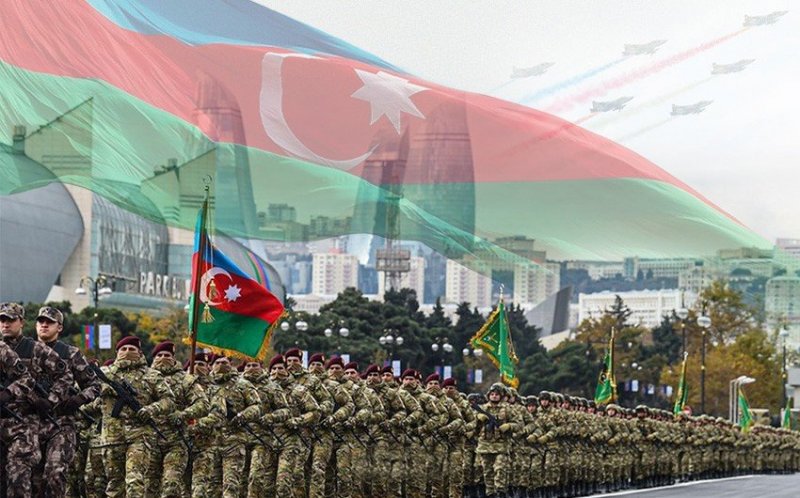
From September 27 to November 10, 2020, Azerbaijan’s 44-day Patriotic War reshaped the regional geopolitical landscape, establishing a significant military, political, and diplomatic victory under the leadership of President Ilham Aliyev. The conflict not only restored Azerbaijan’s territorial integrity but also showcased its military capabilities and national unity to the world. This victory has introduced new dynamics in the South Caucasus, compelling neighboring countries and international powers to reassess their strategies.
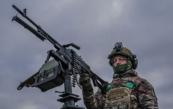
The military campaign led by the Azerbaijani Armed Forces demonstrated the effective use of next-generation weapons, precision drones, and advanced military tactics, setting a new standard for modern warfare. The swift and decisive operations resulted in the liberation of Azerbaijani territories that had been under Armenian occupation for nearly three decades. This strategy has since been examined by military academies globally as a case study in the application of 21st-century combat technologies.
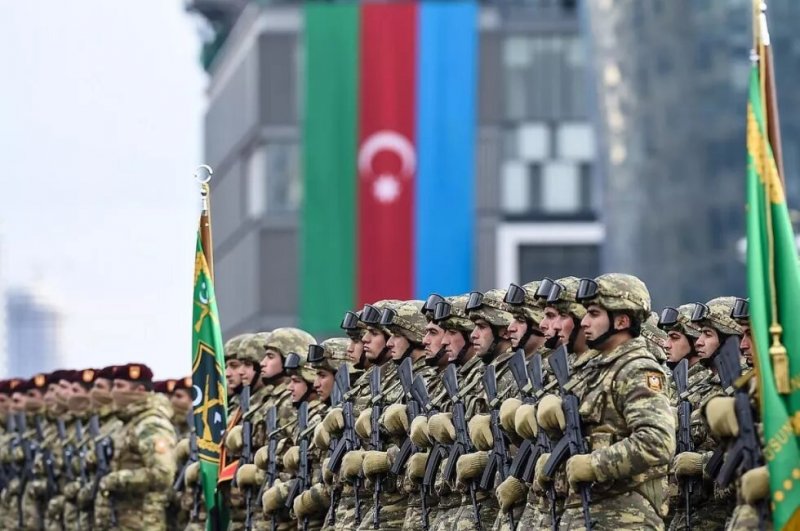
Source: The Ministery of Defence of the Republic of Azerbaijan
Azerbaijan’s victory was more than a mere military success; it was a statement of sovereignty and a reassertion of its geopolitical influence in the region. The conflict underscored the limitations of traditional defense doctrines and highlighted the evolving nature of warfare, where technology and rapid maneuver capabilities play a decisive role.
Following the military victory, Azerbaijan launched an ambitious reconstruction program to rebuild the war-torn Karabakh region. Massive investments are being directed towards restoring infrastructure and revitalizing the local economy. The construction of international airports in Fuzuli, Zangilan, and Lachin, along with the development of new highways and railways, illustrates a vision for an integrated and economically vibrant region.

Source: AzTV
Azerbaijan's implementation of the "Smart City" and "Smart Village" concepts aims to transform Karabakh into a hub of innovation and sustainable development. Advanced agro-technologies, digital management systems, and renewable energy sources are key components of this vision. The goal is to not only repopulate the region but also establish Karabakh as an economic powerhouse in the South Caucasus.
In parallel, the return of internally displaced persons (IDPs) to their ancestral lands is underway, symbolizing a broader effort to restore normalcy and economic activity. The return process is not merely about resettlement but also about integrating modern management practices and encouraging entrepreneurship. This approach is designed to ensure long-term sustainability and economic growth in the liberated territories.
The Azerbaijani government has intensified its efforts to hold Armenia accountable for alleged war crimes and environmental degradation during the occupation. Accusations include the illicit exploitation of natural resources, deforestation, and the destruction of infrastructure. Azerbaijan is collaborating with international organizations to bring these issues to global attention and is preparing to demand compensation for the damages incurred.
The legal pursuit of Armenian separatists and individuals accused of war crimes has been framed as a necessary step for justice and reconciliation. The Azerbaijani authorities argue that prosecuting these individuals is not only a matter of national sovereignty but also a precedent for addressing separatism and illegal activities worldwide.
Azerbaijan’s actions are also seen as a message to the international community about the importance of upholding international law. The pursuit of justice, the government argues, is essential for preventing future conflicts and ensuring lasting peace in the region.
The aftermath of the conflict has forced Armenia to confront new geopolitical realities. The rapid reconstruction of Karabakh and the strengthening of Azerbaijan’s military capabilities have significantly shifted the balance of power in the South Caucasus. For Armenia, the choice is clear: adapt to the new status quo or face further isolation.
Meanwhile, Azerbaijan’s growing ties with regional powers and its strategic investments in infrastructure signal a broader ambition to enhance its role as a regional leader. The ongoing reconstruction efforts are not just about rebuilding what was destroyed but are part of a larger strategy to transform Azerbaijan into a key economic and logistical hub connecting Europe and Asia.
However, the path forward is fraught with challenges. Armenia's reluctance to fully engage in the peace process, coupled with sporadic provocations, continues to test the fragile stability in the region. Furthermore, the substantial financial and logistical demands of rebuilding Karabakh could strain Azerbaijan's resources if not managed effectively.

Source: AzerTAG
Azerbaijan’s focus on defense modernization, while necessary, also raises questions about balancing military spending with development goals. The substantial investment in defense and infrastructure underscores a broader strategy to secure its sovereignty and deter future aggression. Yet, the sustainability of such a defense posture will depend on maintaining economic growth and diversifying its energy-dependent economy.
The international community's response to Azerbaijan's actions remains a critical factor. Western powers have cautiously supported Baku's reconstruction efforts, while also calling for a comprehensive peace settlement that includes Armenia. How effectively Azerbaijan navigates this complex web of regional and international interests will determine the long-term success of its post-war strategy.
Azerbaijan's rapid post-war recovery and assertive foreign policy indicate its intention to reshape the regional order in the South Caucasus. The combination of military strength, economic modernization, and diplomatic outreach reflects a strategy aimed at securing its sovereignty and expanding its influence.
The question remains whether Azerbaijan can sustain this momentum and effectively integrate the liberated territories into its national economy. As Baku pushes forward with its reconstruction agenda, the stakes are high—not just for Azerbaijan but for the entire region.
The material was prepared with the financial support of the Media Development Agency of the Republic of Azerbaijan.
(If you possess specialized knowledge and wish to contribute, please reach out to us at opinions@news.az).


Similar news