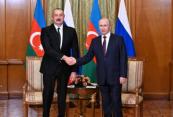
Baku may respond to Yerevan with a 300,000-strong army of refugees from Armenia


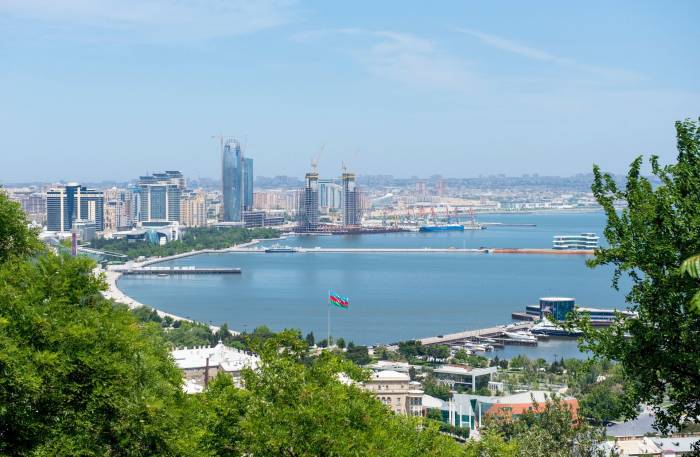
On September 2, Armenia marked the anniversary of what they call the "independence" of Karabakh. To recall the events, on August 30, 1991 , the Supreme Soviet of the Azerbaijani SSR declared the "Restoration of State Independence of the Republic of Azerbaijan." Just days later, on September 2, 1991, a joint session of the Nagorno-Karabakh Regional and Shaumyan District Councils of People’s Deputies announced the creation of the so-called "Nagorno-Karabakh Republic" within the borders of the Nagorno-Karabakh Autonomous Region (NKAO) and the Shaumyan District of the Azerbaijani SSR.
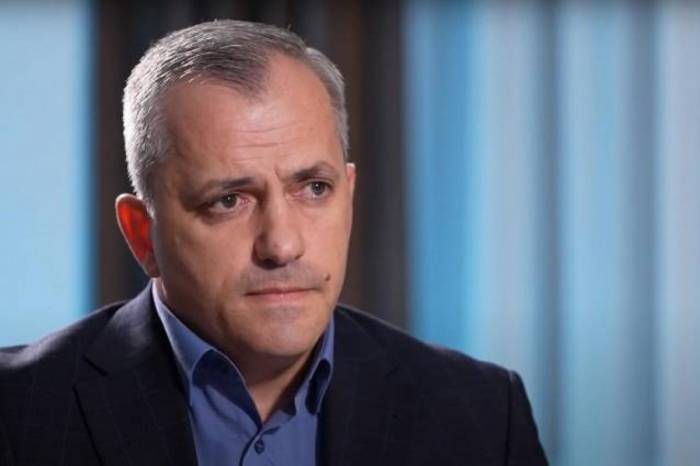
After signing the decree to dissolve the unrecognized entity, Shahramanyan, upon arriving in Armenia, renounced his signature. Now, he claims that this document was necessary to ensure the safe relocation of civilians to Armenia. He insists that the Karabakh issue remains unresolved and that the Armenian side is doing everything to bring it back to the international agenda. During the events on September 2 at the Yerablur Pantheon, he disclosed that a special committee has been formed to attract international attention and ensure the return of Armenians on their own terms.
From everything said in Yerevan, it's clear that some are intent on reviving the Karabakh issue on the global stage and launching a campaign for the return of Armenians to Karabakh without regard for Azerbaijan's laws. The Pashinyan government has taken a passive stance, allowing revanchist and separatist rhetoric to dominate the ideological landscape of the country. This suggests that the Prime Minister might be interested in this direction, seeking to gain political points and divert public attention away from domestic problems. However, Pashinyan must consider that such actions could have serious consequences.
Baku is seriously contemplating a reciprocal response, potentially facilitating the return of Azerbaijanis who were forcibly expelled from Armenia in the late 1980s. This demand is logical and fair: about 300,000 Azerbaijanis were expelled from Armenia, a number far greater than the Armenians who voluntarily left Karabakh last autumn. Moreover, all these Azerbaijanis were citizens of Armenia and qualify as refugees under international law. In contrast, Karabakh Armenians, being citizens of Armenia, do not have such a right and cannot even be considered displaced persons. Azerbaijan is not obligated to repatriate foreign nationals who left voluntarily, whereas in Armenia's case, international documents concerning refugees and deportations come into play.
By reigniting the flames of Armenian separatism against Azerbaijan, Nikol Pashinyan must understand that Baku will not remain passive. Armenia’s numerous defenders and patrons will not be able to shield it. The issue of potentially returning Azerbaijanis to Armenia is being raised more frequently in Azerbaijan, which is a troubling signal for Yerevan. Observing that in Armenia, the concepts of peace and neighborly relations are increasingly being replaced by revanchist and separatist sentiments, Baku may take preventive measures, including establishing a government of Western Azerbaijan in exile. There is a significant community of people from Western Azerbaijan in Azerbaijan, and among the members of parliament, there are descendants of Azerbaijanis expelled from Armenia who might raise this issue. It is possible that the question of returning Azerbaijanis to Armenia will be included in the parliament's agenda when it resumes its activities.
Recently, the Western Azerbaijan Community issued a statement strongly condemning the provocative statements made in Yerevan by revanchist forces that threaten Azerbaijan’s sovereignty and territorial integrity, and deny Western Azerbaijanis their right to return to their lands in Armenia. The authors of the statement warned that if the Armenian side does not stop manipulating the so-called "government in exile" and "repatriation committee," then the Community will begin working on establishing a government of Western Azerbaijan in exile within the Republic of Azerbaijan and will appeal to the Milli Majlis to form a parliamentary commission on the return to Western Azerbaijan.
It is important to emphasize that until now, Azerbaijan has refrained from raising this issue to maintain peace, but the aggressive statements from the Armenian side are forcing it to reconsider its stance. Azerbaijan has every right to do so, unlike Armenia.
It should be clarified that recognizing someone as a refugee follows the methodology of the United Nations High Commissioner for Refugees (UNHCR). To be recognized as a refugee, an individual must meet certain criteria. For Armenians who moved from the Karabakh region of Azerbaijan to obtain refugee status and claim any rights, they would need to be citizens of Azerbaijan. The lack of Azerbaijani citizenship among those who left Karabakh, along with the possession of Armenian, Russian, or other citizenships, prevents them from being eligible for refugee status and returning under international protection.
The resolution of all their issues falls outside the competence of the UNHCR, is not covered by the 1951 Convention, and should be addressed within the legal framework of "citizen-state of citizenship" relations. These individuals also cannot be recognized as internally displaced persons since they crossed an international border. Foreign nationals who voluntarily left the territory of Azerbaijan cannot expect to return under international protection.
Armenia is well aware of these nuances. The actions of Shahramanyan and other revanchists are provocative, aiming to create tension and push Baku into a reaction. However, Azerbaijan has repeatedly demonstrated its ability to carefully calculate its moves, and the response to the current provocations could prove costly for the provocateurs themselves.
September has often seen Armenia facing escalations as a result of its own provocations. These actions, unfortunately, have become a recurring pattern year after year. It is crucial that this year, Yerevan avoids repeating the mistakes of the past and refrains from further escalating the conflict, which could have serious repercussions for Armenia itself.
(If you possess specialized knowledge and wish to contribute, please reach out to us at opinions@news.az).


Similar news