Battle for the financial future: Can BRICS challenge the dollar?


By Samir Muradov
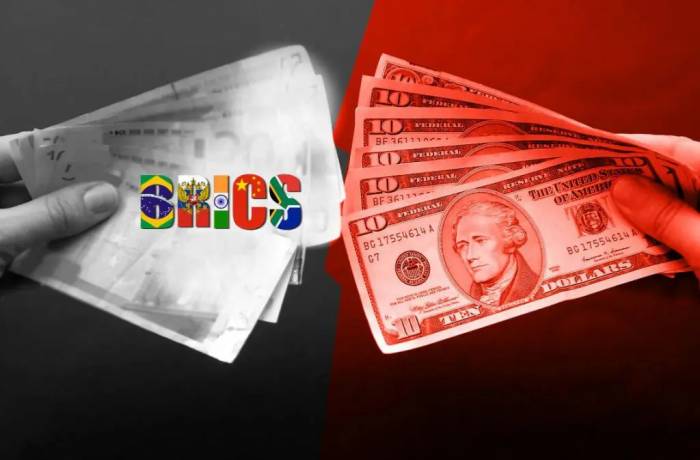
Once again, the world awaits the much-hyped “collapse of the dollar,” but for now, we’re witnessing yet another diplomatic spectacle called “the BRICS currency.” This drawn-out performance has its comedic and tragicomic moments. On stage: Brazil with utopian ideas, Russia with forced support, China with ambitions, India with caution, and the U.S. wielding a tariff club at 100%. Let’s break down why this series has yet to become a blockbuster.
It all began three years ago when Brazil proposed the creation of a unified BRICS currency . A beautiful idea, but is it realistic? Hardly. Portugal once dreamed of controlling half the world, and where is it now?
Brazil’s initiative quickly found support in Russia—unsurprising, given that Moscow has already been expelled from the dollar system. Russia has long championed de-dollarization, but the real question is: where’s the alternative?
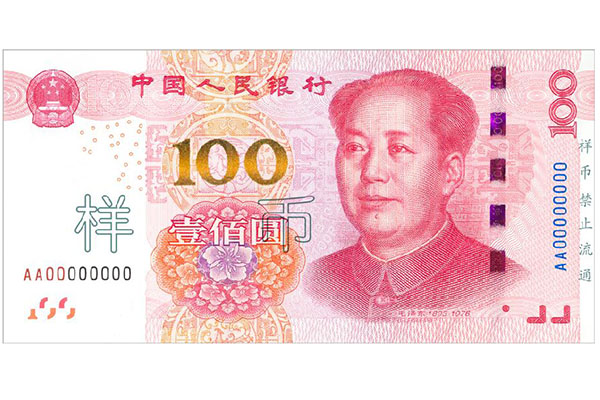
China promptly spoiled the party, declaring that it had no need for a unified BRICS currency. And for good reason—why would Beijing create something new when it is actively promoting the yuan as the dollar’s main competitor? If any currency is going to replace the American one, it will be the Chinese People's Banknote.
Cautious India also declined to take part in the venture. Delhi understands that while it might not love the dollar, antagonizing the U.S. isn’t worth it. Besides, India dreams of a strategic partnership with Washington against China, and BRICS' murky currency experiments don’t exactly fit that agenda.
South Africa logically sided with India. Money loves silence, and when sanctions or trade barriers loom, staying out of the fray seems like the wiser choice.
After much debate, BRICS countries concluded that a single currency was too radical. Instead, they proposed creating a system for exchanging digital currencies.
And this is where it gets amusing.
First, BRICS countries still need to develop these digital currencies. This isn’t about mining crypto in a basement—these are national digital currencies, most of which are still in experimental phases.
Second, exchanging a digital rupee for a digital ruble or real remains complicated. How should they be valued? Once again—through the dollar. Meaning that even within its "anti-dollar" system, BRICS remains tied to the very hegemon it seeks to escape.
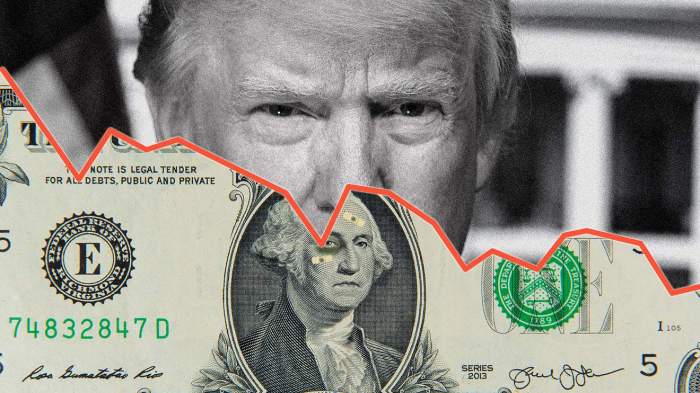
Enter Donald Trump, promising to slap 100% tariffs on BRICS countries if they dare abandon the dollar. His logic is simple: want economic sovereignty? Prepare for economic war.
But Russia has a counteroffer: “Don’t want de-dollarization? Then lift sanctions on our banks and return the $30 billion you froze.” A solid diplomatic position—give us normal access to the dollar system, and we won’t create an alternative.
If Trump refuses (and he likely will), Russia will continue its march toward an independent financial system. After all, sanctions only accelerate the creation of alternative mechanisms.
For now, BRICS' attempts to create a unified currency remain theoretical. Progress is sluggish, members are divided, and the dollar’s influence remains strong.
However, one thing is clear: the more Washington pressures, the harder others seek alternatives. If the U.S. truly wants to maintain its currency dominance, perhaps it should negotiate more and threaten less. Otherwise, it may one day find that the "hegemon" has been dethroned not just by BRICS, but by its own overreach.


Similar news