Behind the scenes: How Trump and Putin could change the world again


Against the backdrop of ongoing geopolitical tensions between Russia and the West, a new configuration in Russia–U.S. relations is gradually taking shape.
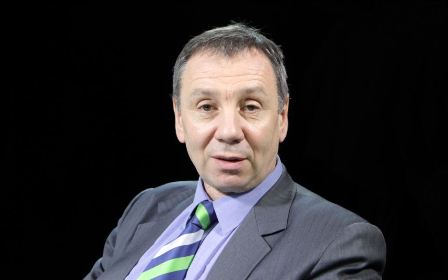 According to Russian political analyst Sergey Markov, with Donald Trump’s return to the political scene, three key areas of dialogue between Moscow and Washington are beginning to emerge. Interestingly, the focus is not on the war in Ukraine, but on broader and longer-term cooperation.
Speaking to News.Az, Markov said, “The first and most important area is not Ukraine.” He explained that the central focus is on efforts to restore full-fledged bilateral relations between Russia and the United States. “This is exactly how Presidents Vladimir Putin and Donald Trump began their cooperation previously, and today, this area is receiving the most attention in the American approach to engagement with Moscow.”
The political analyst noted that this is directly connected to the appointment of a new Russian ambassador to Washington. “For a long time after the departure of the previous ambassador, it was not possible to appoint a new one because the previous U.S. administration refused to grant agrément—the official approval of the candidate. Now the agrément has been granted, and the new ambassador is arriving in Washington to begin his duties,” Markov explained.
According to him, a parallel process of normalizing diplomatic presence is underway. In recent years, the U.S. had drastically reduced the number of Russian diplomats. “Russian diplomats were simply not granted visa renewals upon expiration, and new staff were denied visas altogether,” he said. As a result, the number of Russian diplomatic personnel in the U.S. has decreased by a factor of three to five.
In response, Russia also reduced the number of American diplomats and imposed restrictions on their activities, including banning contacts with the public. “Russian diplomats were prohibited from meeting with senators, congressmen, and journalists. They were essentially not allowed to communicate with anyone except for occasional contacts with individual experts,” Markov emphasized.

Photo: Reuters
In recent years, he added, the American side even imposed strict bans on Russian diplomats interacting with members of the U.S. executive branch—even in non-political fields such as environmental protection and public health.
Now, according to Markov, President Putin and Trump are beginning to change all of that. The process involves the Russian Foreign Ministry, the Security Council, and the relevant U.S. agencies. “We’re talking about hundreds of highly specialized and complex bureaucratic formats that need to be relaunched. The restoration of these communication channels is now beginning,” he said.
This effort, the political analyst added, also includes work toward restoring Russia’s full participation in international organizations. “In recent years, the U.S. had created internal coalitions within such organizations to isolate Russia. For example, international sports federations—under U.S. pressure—barred Russian athletes. Now, work is also underway to resume dialogue in this area,” Markov emphasized.
According to Sergey Markov, the second area—which is causing the most concern among the international community—is the crisis in Ukraine and the search for solutions. “Here we can identify several key aspects,” he noted.
First and foremost, Markov believes Donald Trump is addressing the main task set before him by the American people: preventing nuclear confrontation and direct military conflict between Russia and the United States. He noted that many in American society, including public voices, now openly acknowledge that the current war has taken on the form of a proxy conflict between the two powers. “The constant escalation is causing deep anxiety in American society. It could lead to an uncontrollable conflict, escalating into World War III. Preventing such a scenario is Trump’s top priority,” Markov stressed.
He also noted that, in the context of the standoff over Ukraine, channels of communication are being restored and de-escalation of U.S. military involvement has begun. For example, the U.S. has stopped providing Ukraine with satellite-based intelligence data needed for missile strikes. “This concerns the use of American, British, and French missiles by the Ukrainian army—including strikes on Russia’s internationally recognized territory. It is even possible that the U.S. may completely stop supplying intelligence for strikes beyond the front line—i.e., on territory formerly part of Ukraine,” he added.
Markov emphasized the importance of understanding Trump’s unique perspective on resolving the Ukrainian crisis. In his view, Trump has three core identities: a statesman, a showman, and a businessman. “He was already a household name long before entering politics—as the host of an extremely popular talk show. That’s where his famous phrase ‘You’re fired!’ originated,” Markov recalled. “And his third identity is that of a realtor—a tough New York businessman used to negotiating and securing a profit.”
According to Markov, this combination of roles explains Trump’s approach. “He will, under any circumstances, seek to scale down U.S. involvement in the conflict. As a showman, he understands the importance of image—he must appear as a winner, not a loser. So, figuratively speaking, he needs to ‘frame a concession to Putin’ in a way that allows him to offload the Ukrainian war as a problematic asset, while still appearing victorious,” he explained.

Photo: Financial Times
“As a statesman, Trump seeks to avoid nuclear war; as a businessman, he wants to rid the U.S. of a useless asset. The war in Ukraine is too costly and lacks any prospect of benefit,” Markov added.
Speaking about the current negotiation process, the political analyst pointed out that talks are taking place on multiple levels. The first level is a partial truce. Negotiations are ongoing over a sectoral ceasefire, particularly in the Black Sea region. However, he said, there are differing interpretations: “Ukraine believes the agreement is already in force following its publication by the U.S. The Americans believe it will take effect only after a number of conditions are met. Russia insists it will honor the agreement only after sanctions are lifted from Rosselkhozbank and the bank, along with fertilizer and agricultural producers, is reconnected to SWIFT. But that decision must come from the EU, which may complicate matters,” said Markov.
A second element of the partial ceasefire, he noted, is the cessation of strikes on energy infrastructure. “Russia considers the agreement to have taken effect on March 18—after a conversation with Trump, a corresponding order was issued. Ukraine, however, claims the deal has not yet come into force. So, even here, significant disagreements remain,” he explained.
Additionally, work is underway on an agreement for a general 30-day ceasefire. But here too, Russia is making tough demands. According to Markov, Moscow is only willing to proceed if it receives guarantees that the truce will not be used—as in the Minsk Agreement scenario—to stockpile weapons for the Ukrainian Armed Forces and prepare for another phase of war. “Russia demands a blanket ban on Western arms deliveries to Ukraine and a halt to mass mobilization. These are the main obstacles to concluding the agreement, as the West is not ready for such concessions. There are concerns that the ceasefire could simply be used to prepare for the next escalation,” he emphasized.
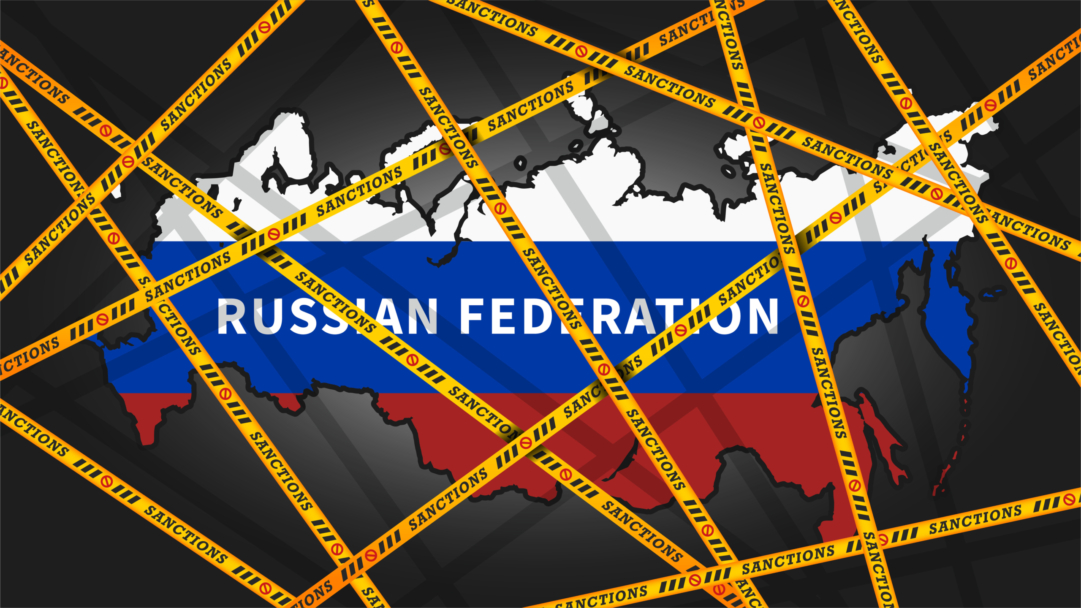 Photo: Economic Policy
The third area, Markov explained, relates to sanctions policy. “An enormous number of sanctions have been imposed on Russia, but more and more U.S. politicians and experts are coming to believe these sanctions are hurting America itself,” he said.
He believes sanctions undermine the global position of the dollar and accelerate Russia’s rapprochement with China—Washington’s primary strategic competitor. “In essence, anti-Russian economic policy is benefiting Beijing,” he added.
Markov is convinced that Donald Trump will aim to lift sanctions, but will do so gradually. “He cannot appear defeated—he wants to look like a winner. Therefore, a strategy is being developed for phased easing or removal of sanctions,” he noted.
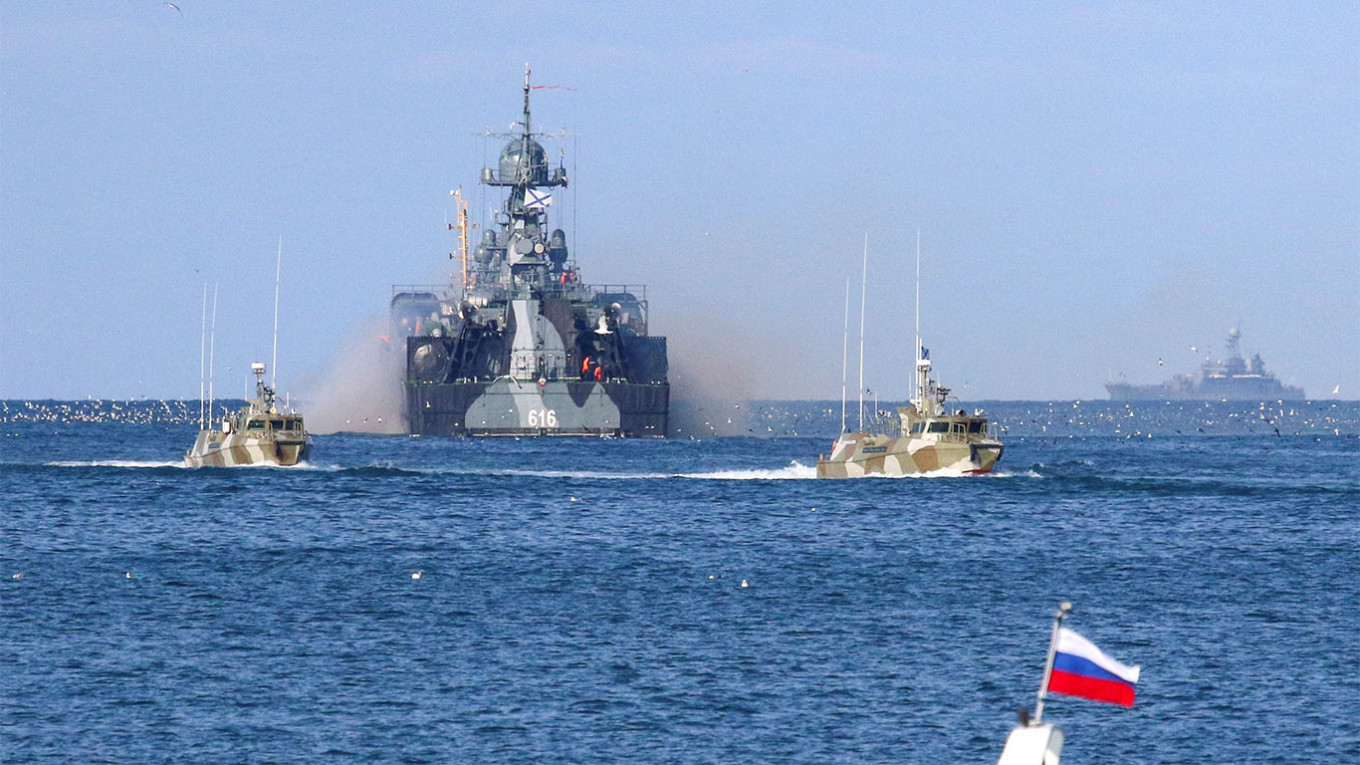
Photo: The Moscow Times
The situation in the Black Sea, including recent security agreements on maritime navigation, also plays a key role in this context, Markov believes. “In fact, I think the main purpose of the Black Sea ceasefire is to create a pretext for the U.S. to begin lifting sanctions on Russia,” he stated.
He clarified that the agreement itself carries little practical value: “What kind of ceasefire can we talk about if there’s virtually no active combat at sea? Ukraine doesn’t have a navy, and the Russian fleet is stuck in ports because of naval drones.”
As for grain exports, Markov said they are already flowing freely through Danube ports without major obstacles. In his view, the so-called ‘grain deal’ in the Black Sea is purely symbolic and primarily serves as a mechanism to initiate the easing of the sanctions regime.


Similar news