Is Azerbaijan ready for a global food crisis?


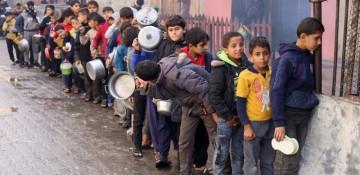
Carl Skau, Deputy Executive Director of the UN World Food Programme (WFP), stated on Tuesday that if the conflict in the Middle East continues until summer, the number of hungry people worldwide could rise by 45 million. Analysts believe that Africa and Asia will suffer the most, with hunger reaching record levels. “This is a terrible prospect,” Skau emphasized.
Currently, the number of hungry people worldwide stands at 319 million, News.Az reports.
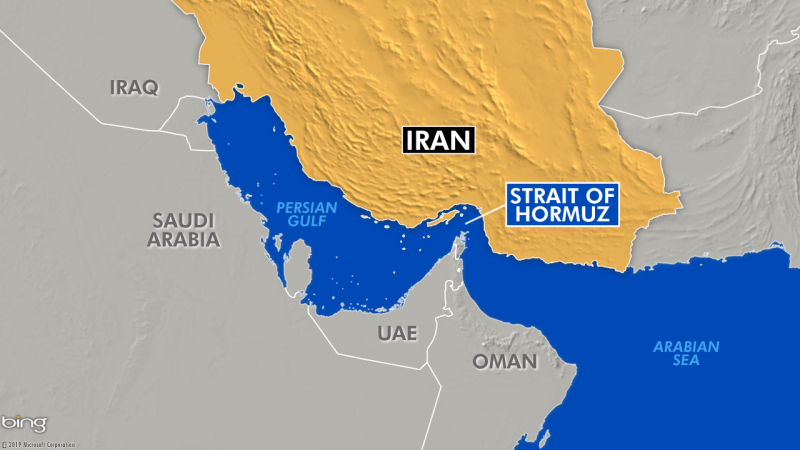
The worsening situation is primarily due to disruptions in supply chains. The halt of shipping in the Strait of Hormuz has led to higher energy prices, which in turn have driven food inflation. Disruptions in traditional logistics chains have also caused fertilizer shortages. This is no less serious a problem than rising oil prices. According to the latest data, global fertilizer exports have fallen by 50 percent, which will have an impact during the upcoming planting season. Experts believe this will affect food security and could trigger a food crisis.
RECOMMENDED STORIES
Earlier, the Financial Times reported that the war disrupted urea (carbamide) production — the world’s most widely used nitrogen fertilizer — in the Middle East. Fertilizers from Qatar, Oman, Saudi Arabia, and Iran used to pass through the Strait of Hormuz. At the same time, South Asian fertilizer producers have faced gas shortages, reducing production volumes and increasing prices by more than 40 percent.
As a member of the international community, Azerbaijan cannot remain unaffected by these developments. It would be unrealistic to expect that events elsewhere would have no impact on the country. Azerbaijan is not isolated from the world and, moreover, is an important part of international logistics. What are the risks for Azerbaijan?
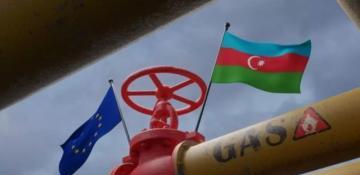
There are no signs of an energy crisis or fuel shortage, thanks to the country’s geography, domestic resources, and forward-looking policies. In addition to its own fossil fuel resources, new renewable energy capacities are being actively developed. Regardless of climate changes, Azerbaijan will always have sufficient wind and sunlight. This year, the largest energy storage battery centers in the CIS are expected to come online in the Absheron and Agdash regions. These systems are crucial for enhancing energy system resilience, restoring the system from scratch in emergencies, strengthening Azerbaijan’s energy independence, and increasing reliability in isolated operation modes.
Regarding fertilizers, 10 years ago Azerbaijan met only 16 percent of its nitrogen fertilizer needs domestically. Today, the situation is different. The country actively produces mineral fertilizers through the SOCAR Carbamide plant, which fully satisfies national demand for nitrogen fertilizers. Interestingly, domestic demand accounts for only 12 percent of total production, with the remaining volume exported to Ukraine, Romania, Bulgaria, Turkiye, and Canada. The plant produces 650,000 tons of urea per year, while domestic consumption stands at 100–150 thousand tons. Thus, no major disruptions are expected in this area, and rising urea prices are likely to generate profit.
Some types of fertilizers are still imported (phosphorus and potassium), but this issue is being addressed. Azerbaijan plans to build a complex fertilizer plant in cooperation with Belarus.
Azerbaijan has once again demonstrated how far-sighted policies can secure strong positions in critical moments.
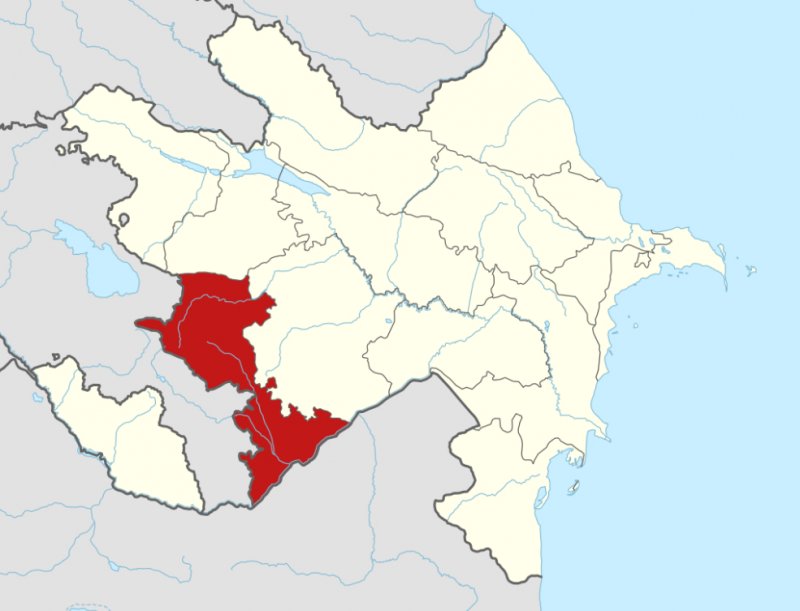
Food security, however, is not 100 percent guaranteed, as the country still depends on imports for certain items, primarily grain. Azerbaijan has always relied on grain imports, and this remains the case today. Earlier hopes were placed on the recently liberated territories, but studies show that due to years of uncontrolled exploitation, destroyed irrigation systems and infrastructure, land mine threats, and climate changes, it is currently impossible to fully utilize these lands’ potential. Their effectiveness has been lower than initially projected in the first post-war year. Satellite imagery shows that potential sowing areas in Karabakh and Eastern Zangezur amount to roughly 160,000 hectares. Restoring soil fertility will take time.
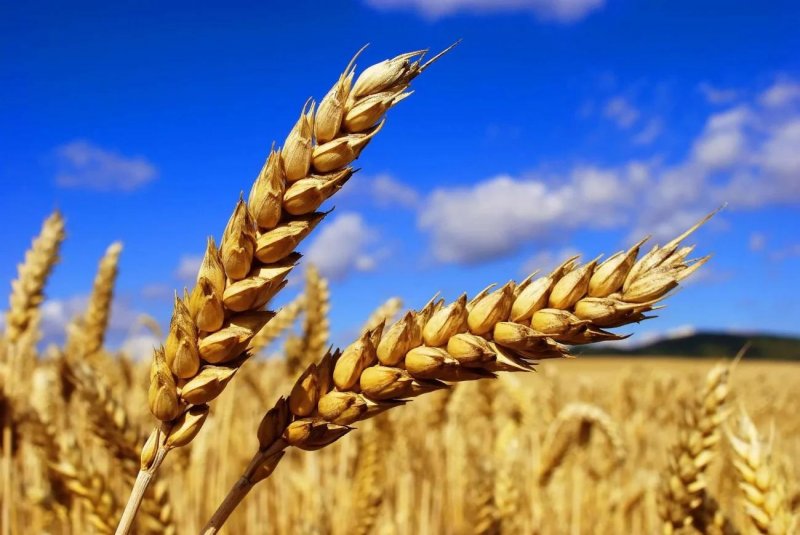
Azerbaijan aims to achieve maximum self-sufficiency in wheat. Currently, according to the Ministry of Agriculture, this stands at 20 percent. The country’s wheat requirement is 1.8 million tons, while domestic production is 1.6 million tons, of which only 300–400 thousand tons are food-grade.
Could the Middle East war worsen the situation, given Azerbaijan’s dependence on grain imports? Overall, rising global fuel and fertilizer prices, as well as logistical risks, will affect grain prices. However, there is no risk of a logistics crisis caused by the war for Azerbaijan, as its main grain suppliers are immediate neighbors — Russia and Kazakhstan.
Recently, Azerbaijan suspended egg exports at the start of the year to prioritize domestic needs. This is a temporary measure. In April, contracts signed with Persian Gulf countries are expected to be fulfilled, and from May, shipments to the United States are expected to begin. Azerbaijani entrepreneurs hope that by then hostilities will have ceased.
Azerbaijan almost entirely meets domestic demand for eggs and poultry meat through local production. Poultry farms cover 100 percent of egg needs and over 90 percent of poultry meat demand. Livestock production is less robust, but overall, the country’s food security remains stable.
In February 2022, President Ilham Aliyev signed a decree on the operation of the State Reserves Agency of the Republic of Azerbaijan. Earlier, in October 2021, a presidential decree established the agency.
These well-thought-out and forward-looking measures are proving their value in difficult times such as those currently facing the region. For key items, Azerbaijan is prepared for the current situation. The country is largely self-sufficient in terms of food security and is even capable of providing aid to its neighbors.
If the situation deteriorates or the conflict escalates into something that threatens global stability, no one can predict the outcome — even for major economies, let alone smaller countries. But for now, Azerbaijani citizens have no reason to worry.
By Tural Heybatov


Similar news