Beijing balances Washington pressure with Brussels dialogue


Editor's note: Teymur Atayev is an Azerbaijani publicist, historian, political scientist, and host of the program "Aspects of Foreign Affairs" on the Azerbaijani CBC TV channel (broadcasts in Russian). The article expresses the personal opinion of the author and may not coincide with the view of News.Az.
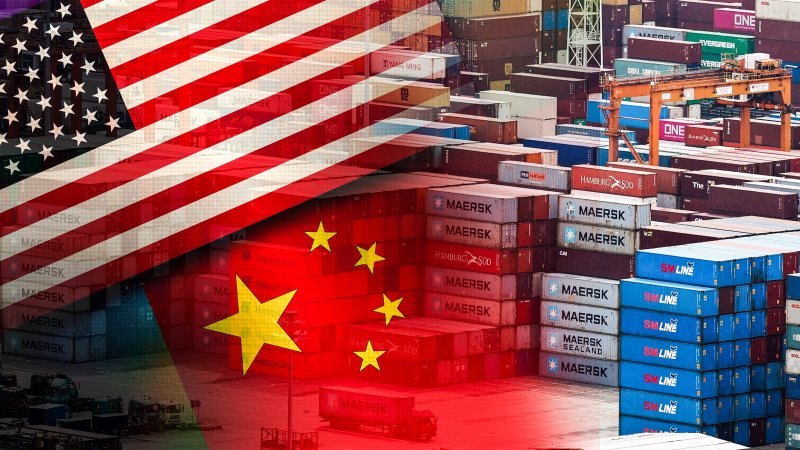
So, Washington and Beijing have announced the signing of a mutual trade agreement. The White House was the first to make the announcement, though it refrained from disclosing any details beyond the initiation of "opening up China" to American businesses. Only afterward did the Chinese side confirm the agreement.
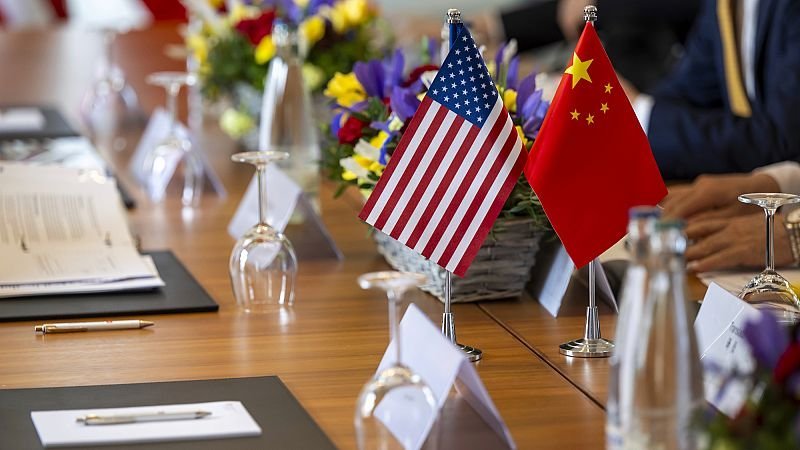
According to Beijing, the country will continue issuing export licenses for goods subject to state control, while the United States will lift a number of anti-China restrictions. One of the most significant elements in the protracted trade standoff between the two powers has been China’s export restrictions on rare earth metals (REMs)—a critical resource for high-tech industries. However, just days ago, China announced that it would accelerate the issuance of licenses for the export of seven types of REMs, particularly needed for the electric vehicle industry. This marked a major signal of Beijing's willingness to ease tensions.
China’s Ministry of Commerce expressed hope for further engagement with the United States through the bilateral trade and economic consultation mechanism, emphasizing the need to build consensus and cooperation to promote the "healthy, stable, and sustainable" development of bilateral economic relations. Meanwhile, the Chinese Ministry of Finance reaffirmed its readiness to maintain contact with the U.S. "on the basis of equality, mutual respect, and mutual benefit," underscoring that such cooperation would benefit not only both nations but the global economy as a whole.
It is clear that both sides will attempt to portray the other as more eager to de-escalate the trade war. But the fact remains: a prolonged trade and economic conflict is damaging to both nations. In April alone, the volume of U.S.-China trade plummeted by 20%. Overall, the U.S. macroeconomic outlook is also showing signs of strain. According to the latest publicly available data, the U.S. GDP declined by 0.5% in the first quarter of 2025—0.3% worse than forecast. Just a few days ago, it was reported that the U.S. national debt had surpassed $37 trillion for the first time in the country's history. This figure now exceeds the national GDP by more than 27%.
Photo credit: Getty images
Against this backdrop, Donald Trump announced a suspension of trade talks with Canada over Ottawa's refusal to withdraw its digital services tax on tech companies. Calling Canada’s move a "blatant attack" on the United States, Trump warned that within a week, Canada would "hear about the tariffs" they would face for doing business with the U.S.
Simultaneously, Washington announced plans to sign a trade agreement similar to the one with China—this time with India. However, as Trump made clear, the White House has no intention of "making deals with everyone," and some countries would simply receive letters outlining tariffs of 20, 25, or even 45 percent that they would be required to pay.
As for the broader transatlantic space, Washington and Brussels expressed hope that a trade deal could be reached by July 9—the deadline set by the U.S. for imposing a 50% tariff on all European products. The European Union, in turn, has already announced retaliatory measures.
In this context, a statement by European Commission President Ursula von der Leyen, delivered at the recent EU summit, drew particular attention. She stressed that reaching an agreement would help avoid a destructive scenario that could result from an escalating trade war. According to her, the White House has already prepared a new package of proposals for the EU and is now negotiating with Brussels "in a very different tone than before."
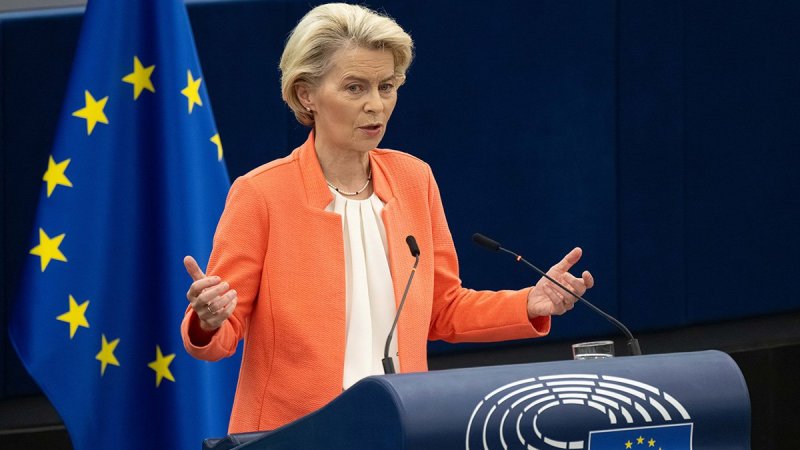
Photo credit: European Union
This spirit of mutual understanding is also reflected in remarks by U.S. Commerce Secretary Howard Lutnick, who voiced optimism about the accelerated pace of negotiations with the EU, suggesting they could form the basis for a serious agreement in the coming weeks.
Notably, amid these developments, Chinese Foreign Minister Wang Yi is scheduled to visit the EU headquarters between June 30 and July 6, during which the 13th round of the China–EU Strategic Dialogue will take place.
As part of the visit, he will also travel to Germany to participate in the 8th round of the China–Germany Strategic Dialogue on Diplomacy and Security. In addition, Wang Yi is expected to visit France for talks with the French foreign minister and to attend a high-level session of the China–France Mechanism for People-to-People Exchanges.
Thus, it is becoming increasingly apparent that both Brussels and Beijing, against the backdrop of continued U.S.–China tensions, are actively seeking to strengthen mutual understanding across a range of sectors. In parallel, all three centers—Washington, Brussels, and Beijing—are developing new models of diplomatic and economic dialogue, fully aware that an uncontrolled escalation of global trade tensions could seriously undermine the stability of the international economic order.
(If you possess specialized knowledge and wish to contribute, please reach out to us at opinions@news.az).


Similar news