Central Asia – the new player in the race for world’s strategic minerals


Editor’s note: Kazakh political scientist, and professor of the Department of Media Communication and History of Kazakhstan at MUIT JSC Saken Mukan.
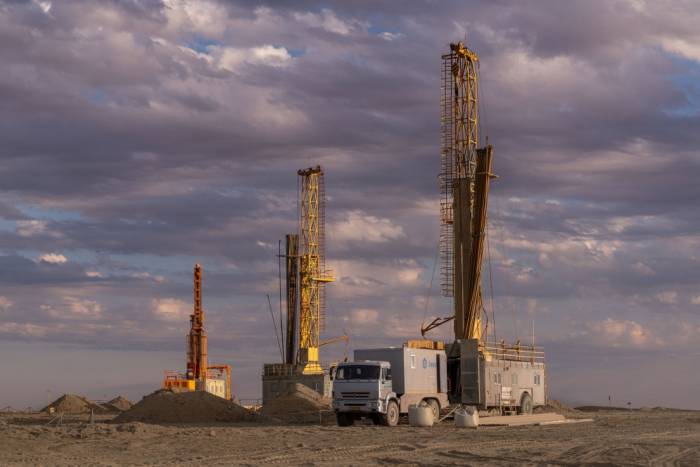
Kazakhstan’s state-owned atomic company, Kazatomprom, the world’s largest uranium producer, is continuing to strengthen its global presence in the mining of strategic resources. With the demand for uranium and rare-earth metals growing worldwide, the company is focusing on expanding its activities beyond Kazakhstan’s borders. One of the latest steps in this direction is the signing of a Memorandum of Understanding with Tajikistan’s "Tajikredmet" company , opening the door to closer cooperation in the mining sector across Central Asia.Kazakhstan's move aligns with a broader trend seen among its leading companies: after achieving success in the domestic market, they are increasingly stepping onto the international stage. Given Kazakhstan's prominent role in the global mining industry, collaborating with foreign partners is not only economically beneficial but also a strategic move. Kazatomprom, with its extensive experience in uranium mining and strong relationships with global nuclear energy giants, views new markets as an opportunity to further solidify its global standing.
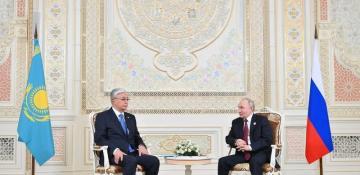
On August 22, 2024, during Kazakh President Kassym-Jomart Tokayev’s official visit to Tajikistan, an agreement was signed aimed at boosting cooperation between the two nations in uranium mining and processing, as well as the extraction of rare and rare-earth metals. This agreement is significant not only for economic collaboration but also as a sign of a new level of interaction in Central Asia. As global demand for uranium and rare-earth metals continues to rise, such initiatives are likely to strengthen Kazakhstan’s position as a leading supplier of strategic materials.
For Tajikistan, which was a key uranium supplier during the Soviet era, this agreement holds special importance. After the collapse of the USSR, uranium mining in the country ceased, leaving Tajikistan in a challenging economic situation. Today, the country lacks the financial and technological resources to resume uranium extraction on its own. Cooperation with Kazakhstan offers Tajikistan a chance to re-enter the global uranium market and develop its mining potential once again.
It’s worth noting that Kazakhstan and Tajikistan are on different economic levels. Kazakhstan is the largest and wealthiest economy in Central Asia, thanks to its oil and natural resource reserves. On the other hand, Tajikistan is one of the region’s poorest countries. However, this does not prevent the two from forming a mutually beneficial partnership. Tajikistan will receive much-needed investments, technology, and infrastructure support, while Kazakhstan expands its economic opportunities, strengthens its regional influence, and gains access to new sources of raw materials.
The global demand for uranium and rare-earth metals is surging, especially with the shift toward low-carbon energy and the rise of high-tech industries. Uranium remains a crucial component for nuclear energy, considered one of the cleanest and most sustainable energy sources. Rare-earth metals, in turn, are essential for the production of high-tech electronics, renewable energy technologies, defense equipment, and even space exploration. For Kazakhstan and Tajikistan, which both possess significant reserves of these resources, this represents an opportunity to expand their influence in the global market.
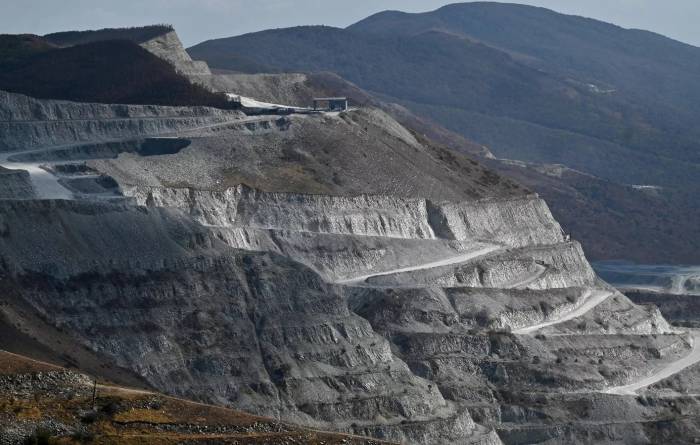
Kazakhstan’s economic strategy in recent years has focused not only on extracting raw materials but also on processing them. By investing in processing facilities both within Kazakhstan and abroad, the country aims to move up the value chain. A prime example is KazMunayGas’s involvement in overseas projects, such as owning a port in Georgia and operating a refinery in Romania. Similarly, by expanding both the extraction and processing of uranium and rare-earth metals, Kazatomprom is poised to become an even more significant player on the global stage.
However, for the joint projects in Tajikistan to succeed, Kazakhstan will need to shoulder most of the financial burden. This includes significant investments in exploration, infrastructure development, and building processing facilities in Tajikistan’s remote mountainous regions. These are long-term projects that require careful coordination and strategic planning. If successfully executed, they could open up new prospects for both countries.
The cooperation between Kazakhstan and Tajikistan in mining strategic resources also reflects broader regional trends. More leaders in Central Asia are calling for closer integration and the shared use of natural resources to increase the region’s competitiveness on the international stage. Kazakhstan, Kyrgyzstan, Tajikistan, and Uzbekistan have vast reserves of critical raw materials that are essential to global industries. However, without combined efforts and foreign investments, these resources may remain underdeveloped.
Despite their rich natural resources, the countries of Central Asia face several challenges, including a lack of technology and expertise to extract and process these resources efficiently. Infrastructure issues, outdated technologies, and insufficient investment capital remain significant barriers. However, the growing global demand for uranium, lithium, rare metals, and other critical materials makes regional cooperation more promising than ever. If Kazakhstan, Tajikistan, and other countries in the region can join forces and attract external investments, they could become key players in the global market for strategic materials, meeting the needs of industries ranging from nuclear energy to high-tech manufacturing.
Kazatomprom’s partnership with Tajikistan is more than just another economic agreement; it opens a new chapter in the development of Central Asia’s mining sector. By working together, the region’s countries have the potential to enter the global uranium and rare-earth metals markets as powerful players. Although these projects face many challenges, the long-term prospects promise significant benefits for both parties and strengthen their positions in the global economy. Kazakhstan, with its ambition to become not just a supplier of raw materials but also a producer of finished products, could play a pivotal role in transforming the region into a significant player in the market for strategic resources.
(If you possess specialized knowledge and wish to contribute, please reach out to us at opinions@news.az).


Similar news