Chevron, Shell, and NewMed invest $4 billion in Cyprus


By Asif Aydinli
The development of the Aphrodite gas field in Cyprus’s Exclusive Economic Zone (EEZ) has become a major project that’s catching the eye of both local authorities and international energy companies. This field is not just a big deal for Cyprus but also for the entire Eastern Mediterranean region, where there's a growing scramble for hydrocarbons and increased competition over energy resources. For Cyprus, the Aphrodite project is expected to boost revenues significantly and enhance the country’s geopolitical clout in the region's energy landscape.Recently, a consortium of leading oil and gas companies put forward new development plans for Aphrodite, reflecting their big ambitions to roll out a large-scale project worth about $4 billion. However, this ambitious plan comes with its own set of challenges, including the need to stick to contractual obligations and meet the agreed timelines. Major energy projects often face such hurdles, where success heavily depends on following strict regulations and using the right technologies.
So, what does this project mean for the region's energy sector, and what opportunities does it bring for Cyprus? Aphrodite, as the first major hydrocarbon project in Cyprus's EEZ, could kickstart new investments in the country's energy sector, drive the development of essential infrastructure, and boost Cyprus's energy independence.
The consortium managing Block 12 in Cyprus’s EEZ has presented an updated development plan for the Aphrodite gas field to the Cypriot government. The project’s total cost is estimated at around $4 billion, according to the Cyprus Mail.
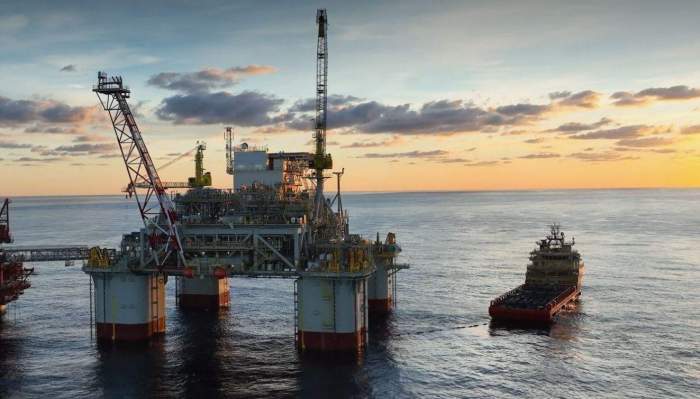
This estimate came before completing all the necessary technical and economic studies, including the Front-End Engineering Design (FEED). The consortium, which includes Chevron from the U.S., Shell from the UK, and NewMed Energy from Israel (formerly Delek Drilling), has informed the Cypriot authorities of their intention to build a standalone floating production facility in the EEZ. This facility could extract over 22 million cubic meters of natural gas daily. This move shows the companies' commitment to leveraging resources and using cutting-edge technologies to ensure high efficiency in production.
The plan is to have natural gas flow to an offshore platform from four production wells to be built in the project’s initial phase. The gas will then be exported through a pipeline to Egypt’s gas network, allowing it to reach global markets. Using an offshore platform and integrating it with Egypt's gas system helps optimize logistics and cut transportation costs, making the project more appealing to investors and players in the global energy market.

On August 25, 2024, Cyprus's Minister of Energy, Commerce, and Industry, Giorgos Papanastasiou, sent letters to Chevron, Shell, and NewMed, giving them three months to fix breaches of the original contract terms for Block 12 development. The contract was altered in 2019 to favor the interests of the consortium's foreign participants. Minister Papanastasiou made it clear that failing to comply could lead to the license's cancellation and the consortium losing its rights to operate the field. This stern warning shows the Cypriot government’s serious intent to ensure all contractual obligations are met and to protect its national interests in developing its energy resources.
Cypriot media reports suggest the government’s concerns may stem from the consortium not completing the exploration work within the agreed timelines. This delay could negatively impact the final investment decision on the Aphrodite field’s development. Delays can create additional risks for investors and threaten the state’s projected revenues from field operations.
Interest from international oil and gas companies in the Mediterranean, including Cyprus's EEZ, surged after the discovery of the massive Aphrodite gas field in Block 12 in 2015, which is an extension of Israel's Leviathan field. Aphrodite’s reserves are estimated at about 116 billion cubic meters of gas, making the region especially attractive to international companies looking to diversify their gas sources and reduce dependence on traditional suppliers.
The field's infrastructure includes a fixed platform, four wells, and two pipelines for gas transport. Natural gas from the Aphrodite field is supplied to Israel, Jordan, and Egypt. The project’s future success hinges on the consortium’s ability to meet the Cypriot government’s requirements and complete all phases of development on time. If executed successfully, the project could play a crucial role in securing energy for the region and significantly contribute to Cyprus’s economic growth.
Overall, the consortium’s new plan offers great potential for energy infrastructure development in the region, but it also presents challenges related to fulfilling contract obligations and completing necessary work on time. For Cyprus, this isn’t just about economic gain; it’s a chance to solidify its position as a key player in the Eastern Mediterranean energy market.


Similar news