COMMENT: Türkiye-France relations take a new turn


By Samir Muradov
A telephone conversation took place between the President of Türkiye, Recep Tayyip Erdoğan, and his French counterpart, Emmanuel Macron. As reported by News.Az, the Turkish leader’s press office confirmed the exchange.
During the discussion, the two heads of state addressed a wide range of topics, including bilateral cooperation, regional dynamics, and pressing global challenges. Erdoğan emphasized that enhanced dialogue between Ankara and Paris could contribute positively to strengthening relations. He underscored that the two nations share significant potential for collaboration, particularly in the defense industry.
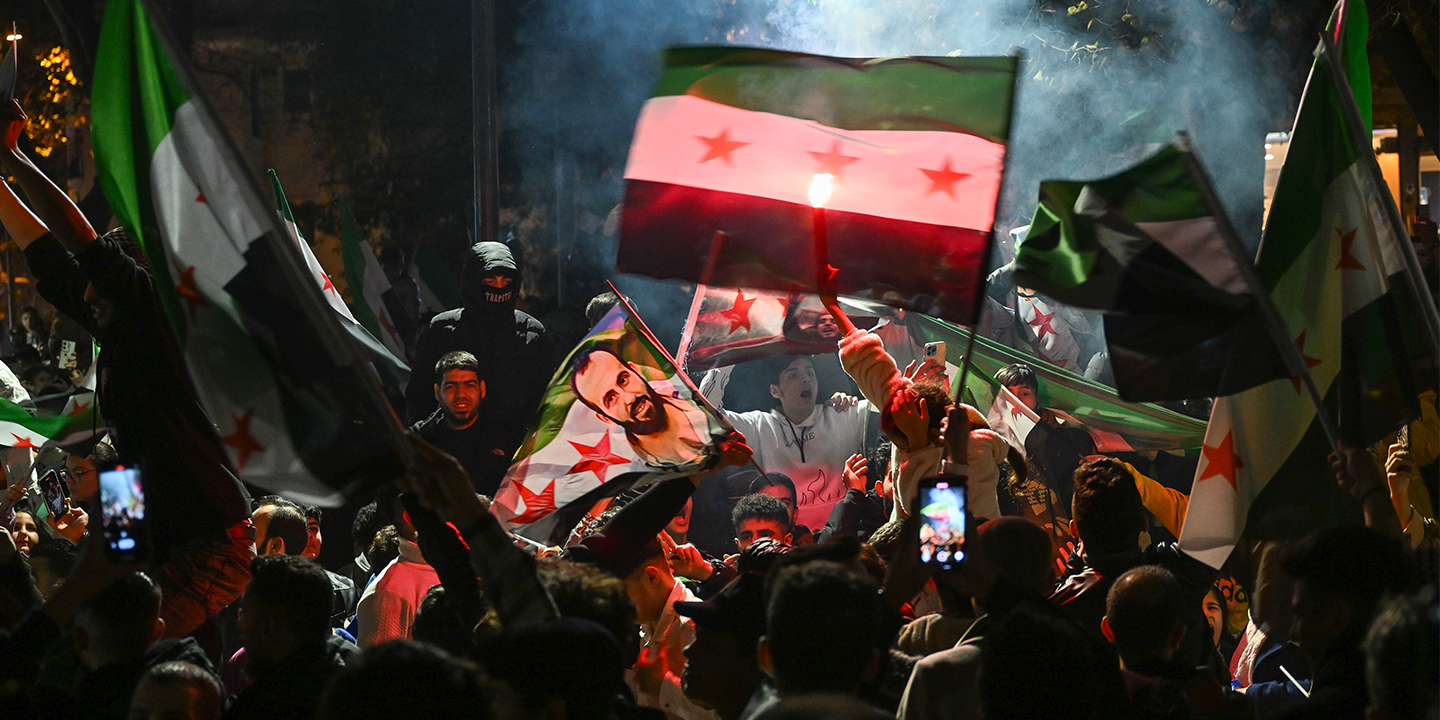
The situation in Syria was a focal point of the conversation. The Turkish leader stressed that lifting the European Union’s sanctions against Syria was a necessary step. He also reaffirmed Türkiye’s commitment to continuing its support for Syria.
Another key topic was the Middle East peace process. Erdoğan highlighted the importance of maintaining the ceasefire between Hamas and Israel while advocating for a sustainable resolution to the conflict.
.jpg)
Against this backdrop, News.Az sought insights from Turkish expert Engin Özer on the future trajectory of Türkiye-France relations and the key factors that may shape their interactions in the near future.
"I am not sure how this issue is perceived in Azerbaijan, but there are no deep-rooted contradictions between Türkiye and France. Diplomatic ties between the two nations span more than 200 years. Moreover, their foreign policy stances largely align today. Türkiye and France share common interests, particularly in the Middle East. Both nations face strategic challenges, including those related to Palestine and Lebanon," said Özer.
He pointed out that after the start of Israeli occupation in Lebanon, France established the so-called "Lebanon Front."
"On key geopolitical issues, Paris and Ankara often share similar positions. Furthermore, both countries oppose war with Iran, which is a rational stance. Türkiye and France also support a unified and indivisible Syria, rejecting any partition of the country.
Following the outbreak of war in Ukraine, France actively engaged in diplomatic efforts to negotiate a resolution, a stance that closely aligns with Türkiye’s approach," Özer noted.
Additionally, he highlighted an ongoing Türkiye-France-Italy defense collaboration—the development of a joint air defense system. According to Özer, the project is in its final phase and is expected to be completed soon.
*"As for the recent phone call, the main topic was the situation in Africa. If France has a concrete action plan for the region, it is likely to propose it to Türkiye as well.
Regarding Azerbaijan, there are nuances where France’s position is less assertive. Contrary to some commentators' claims, France is not seeking to provoke a war between Armenia and Azerbaijan—this does not reflect reality.
In today’s geopolitical landscape, forging strong alliances is crucial, especially given Donald Trump’s open threats to European security. The most reliable way to safeguard Europe’s security is by establishing a pan-European army. In this regard, Europe also needs Türkiye—without it, the European security framework would remain highly vulnerable,"* Özer concluded.


Similar news