Democracy on the brink: Kenya’s Gen-Z fights for a future in the shadow of repression - INTERVIEW


.png)

Nationwide youth-led protests erupted across Kenya on June 25-26, marking the anniversary of last year’s deadly anti-tax demonstrations. At least 16 people have reportedly been killed and hundreds injured in clashes between protesters and police. The unrest was sparked by the alleged death in custody of blogger Albert Ojwang, fueling anger over police brutality, rising living costs, and deepening economic inequality. Demonstrators accuse the government of corruption and repression, while authorities have responded with a media blackout and forceful crackdowns. The situation remains tense, with calls for justice, reform, and accountability growing louder among Kenya’s frustrated and politically active youth.
News.Az interviewed Cyprian Nyamwamu, a Kenyan policy and governance expert, currently serving as the Executive Director of the Future of Kenya Foundation to shed light the recent situation in Kenya.
– What are the main reasons behind the recent protests across Kenya?
– The June 2025 protests in Kenya erupted primarily in response to the tragic death of blogger Albert Ojwang, who was allegedly murdered while in police custody. The demonstrations also marked the first anniversary of the June 25, 2024 Gen-Z-led protests, during which government forces were accused of killing dozens of peaceful demonstrators. This year's protests are fueled by deep-seated economic frustrations, especially among the youth. Many young Kenyans feel neglected and unheard by the government, particularly on critical issues such as skyrocketing taxes, rampant unemployment, and an inequitable university funding model that disproportionately affects students from lower-income backgrounds.
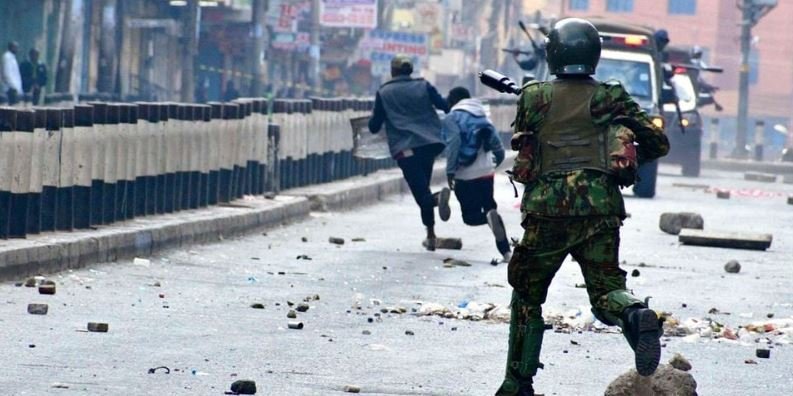
Source: Nation.africa
Beyond economic hardship, concerns over governance have also played a central role. Protesters argue that key state institutions have been captured by corrupt elites, leading to widespread impunity and lack of accountability. In addition, persistent human rights abuses-including abductions, torture, and extrajudicial killings of bloggers and activists-have intensified public outrage and demands for systemic reform.
– How has the government responded to the protests, and how are people reacting to that response?
– The government has deliberately undermined the legitimacy of the protests by allegedly hiring organized gangs to torch buildings, loot supermarkets, and vandalize private businesses. These orchestrated acts of violence are widely seen as an attempt to portray the otherwise peaceful demonstrations as lawless and chaotic. By doing so, the authorities aim to justify the excessive deployment of security forces and the imposition of lockdowns in towns and cities across the country during protest days. This tactic not only discredits the genuine grievances raised by the demonstrators but also creates an atmosphere of fear and confusion, discouraging public participation and silencing dissent. The calculated association of protests with violence enables the state to tighten its grip on civil liberties under the guise of maintaining law and order, further eroding trust between the government and its citizens.
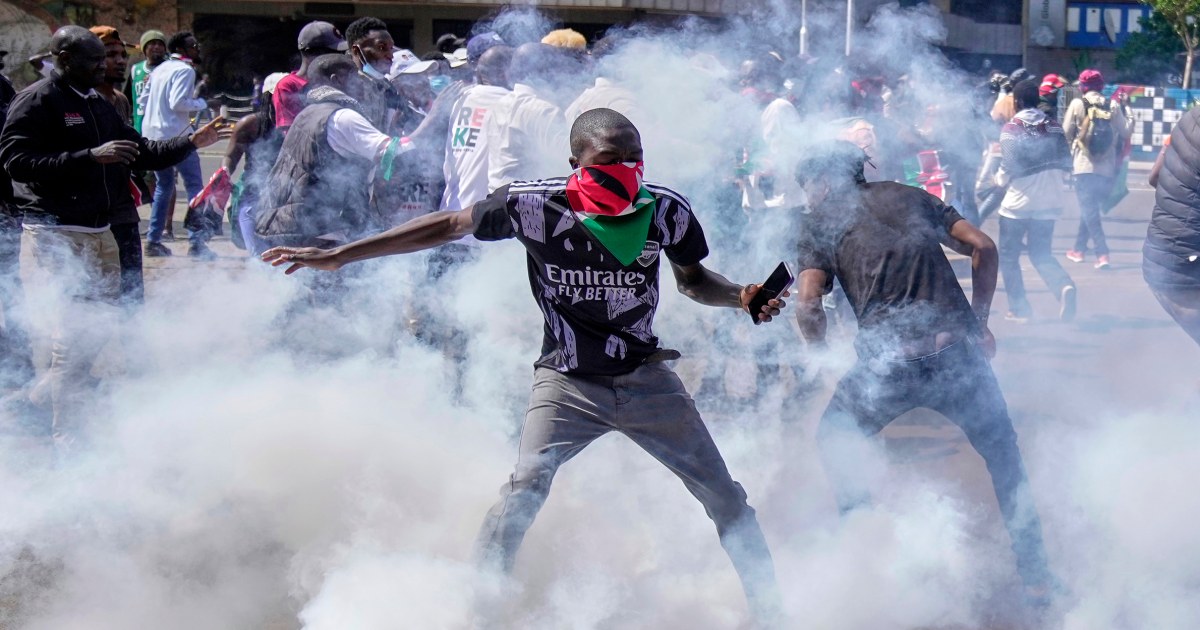
Source: NBC News
–Why are so many young people, especially from Generation Z, leading these demonstrations?
– They represent the most disinherited and marginalized segment of the population to date. Crushed under the weight of massive unemployment and a collapsing economic future, many young people find themselves trapped in a cycle of despair and hopelessness. Their legitimate frustrations have been met not with compassion or policy solutions, but with harsh repression. Security agencies have responded with brutality, including widespread reports of arbitrary arrests, abductions, and even torture. Instead of being seen as a generation full of potential, they are treated as a threat-silenced for raising their voices and punished for demanding accountability. This systematic mistreatment has deepened the generational divide and ignited a growing sense of alienation, further fueling the unrest seen across the country.

Source: Reuters
– Do you think the current political situation in Kenya could lead to bigger changes in the government or the way the country is run?
– The state appears to be exploiting the current political turmoil as a pretext to further shrink civic space across the country. There are growing fears that the government may declare a state of emergency, effectively banning all public demonstrations, protests, and political gatherings under the guise of restoring order. Such a move would deal a serious blow to democratic freedoms and silence dissent at a time when dialogue is most needed. The only viable path to positive transformation lies in uniting the country’s democratic forces-particularly religious institutions and civil society organizations—to take the lead. These groups must urgently convene a national conference or convention, bringing together Gen-Z leaders and grassroots representatives to develop a coordinated, principled response. Through collective action and a firm, unified voice, they must send a clear message to the government: that only genuine reforms, rooted in transparency, accountability, and inclusivity, can restore public trust in a regime that has become deeply discredited.
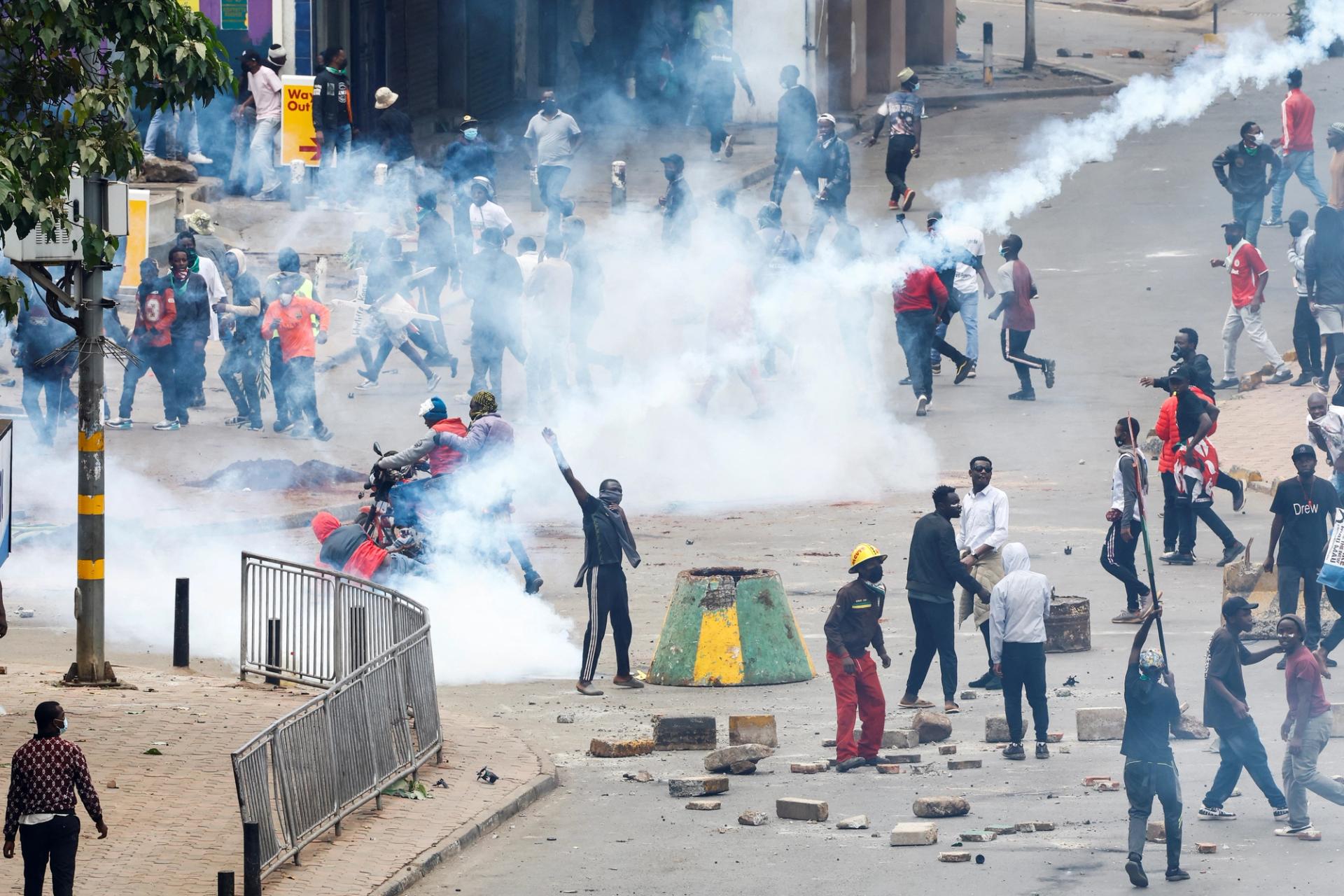
Source: Reuters
– What should be the government’s next step to avoid further unrest—dialogue, reform, or stronger enforcement?
– The government has shown little to no interest in embracing reforms or initiating any form of positive change. Instead, it is cynically weaponizing the current crisis to pursue the total closure of democratic space in the country. Under the pretext of maintaining order, the regime is systematically dismantling civil liberties and silencing dissent. This deliberate strategy appears aimed at consolidating power in preparation for the 2027 elections. There is growing concern that the President is laying the groundwork to place key political opponents under house arrest or subject them to restrictive detention. By neutralizing the opposition and stifling public criticism, the administration is attempting to create a political vacuum that would allow the incumbent to manipulate the system and secure a second term with minimal resistance. Independent institutions, including the judiciary and electoral bodies, are increasingly seen as compromised. If this trend continues unchecked, it could lead to the total erosion of democratic accountability and rule of law in Kenya.

Source: ABC News
– What needs to happen now to calm tensions and bring stability back to the country?
– The only viable path forward toward a reconciled and stable nation lies in inclusive and honest dialogue-one that upholds and guarantees the full spectrum of constitutional rights for all citizens. For Kenya to begin its journey toward national healing and recovery, the government must recognize that sustainable peace cannot be achieved through repression or exclusion. Instead, meaningful engagement between all sectors of society is essential. This includes not only political actors but also religious institutions, civil society organizations, youth representatives, and community leaders. These groups must come together to create a platform for mutual understanding, consensus-building, and accountability. When constitutional freedoms such as the right to protest, speak freely, and assemble are protected and respected, trust can begin to be restored. Only through such an inclusive and rights-based approach can the country address the legitimate grievances of its people and build a future rooted in justice, equity, and shared national purpose.


Similar news