Ecuador’s crisis deepens: Fuel protests, emergency powers, and a nation on edge


.png)
Editor’s note: Faig Mahmudov is a journalist based in Azerbaijan. The views expressed are the author’s own and do not necessarily reflect those of News.Az.
Ecuador is once again standing on a knife’s edge. What began as protests over diesel fuel prices has rapidly evolved into a nationwide political showdown between a determined president, Daniel Noboa, and a mobilized Indigenous movement with a long history of toppling governments. Over the past three days, Quito’s streets have become arenas for rival rallies, rural provinces have erupted in clashes, and emergency powers have been invoked across 10 provinces. The fault lines cutting through Ecuador are no longer just economic—they are political, geographic, and cultural.
The government’s decision to remove a long-standing diesel subsidy was the spark. Officials described it as a “fiscal necessity,” a reform designed to stabilize public finances. For many Ecuadorians, however, especially Indigenous communities, farmers, and transport workers, it was a blunt economic shock. Diesel prices surged from $1.80 to $2.80 per gallon, driving up food and transportation costs in a country where subsidies cushion millions from poverty. What might have looked like sound macroeconomic policy from Quito’s ministries landed like an earthquake in rural Ecuador.

Source: Reuters
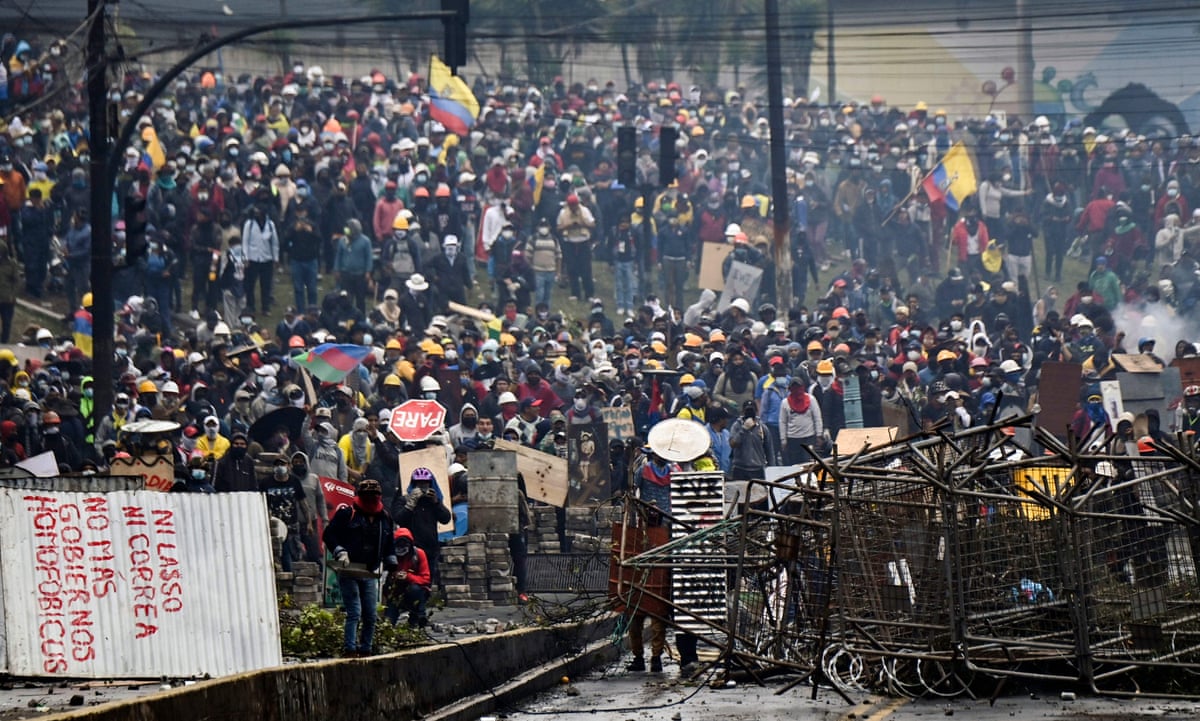
In response, the Indigenous confederation CONAIE mobilized swiftly. Highways were blocked, strikes called, and plazas filled with demonstrators. Their demands are not limited to reversing the subsidy cut: they are demanding the release of detained protesters, respect for Indigenous rights, protection of water sources, and a halt to environmentally controversial mining projects. For them, this is not just about fuel. It is about power, voice, and dignity.
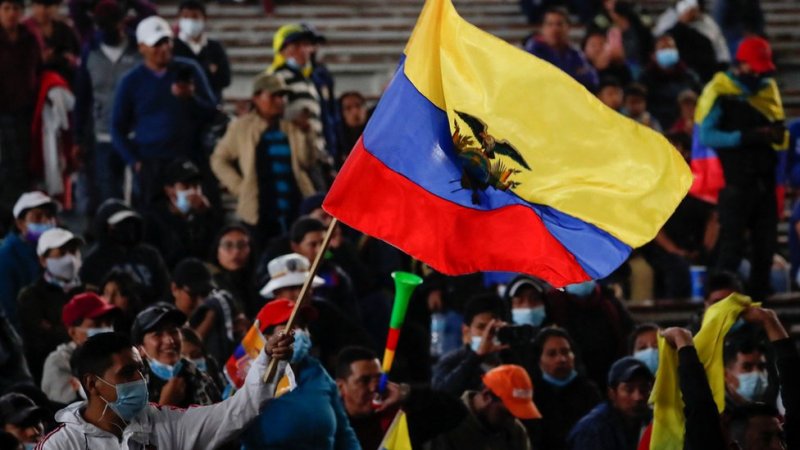
On Sunday, Quito witnessed two competing visions of Ecuador’s future. Anti-government protesters filled central streets, chanting against the fuel price hike and the emergency powers Noboa had declared. A few blocks away, pro-government supporters held their own rally, complete with an art fair and patriotic banners. Security forces flooded the streets to keep both sides apart. By nightfall, the city was tense but unbroken. Elsewhere, road blockades intensified, disrupting supply chains and raising fears of broader economic paralysis.
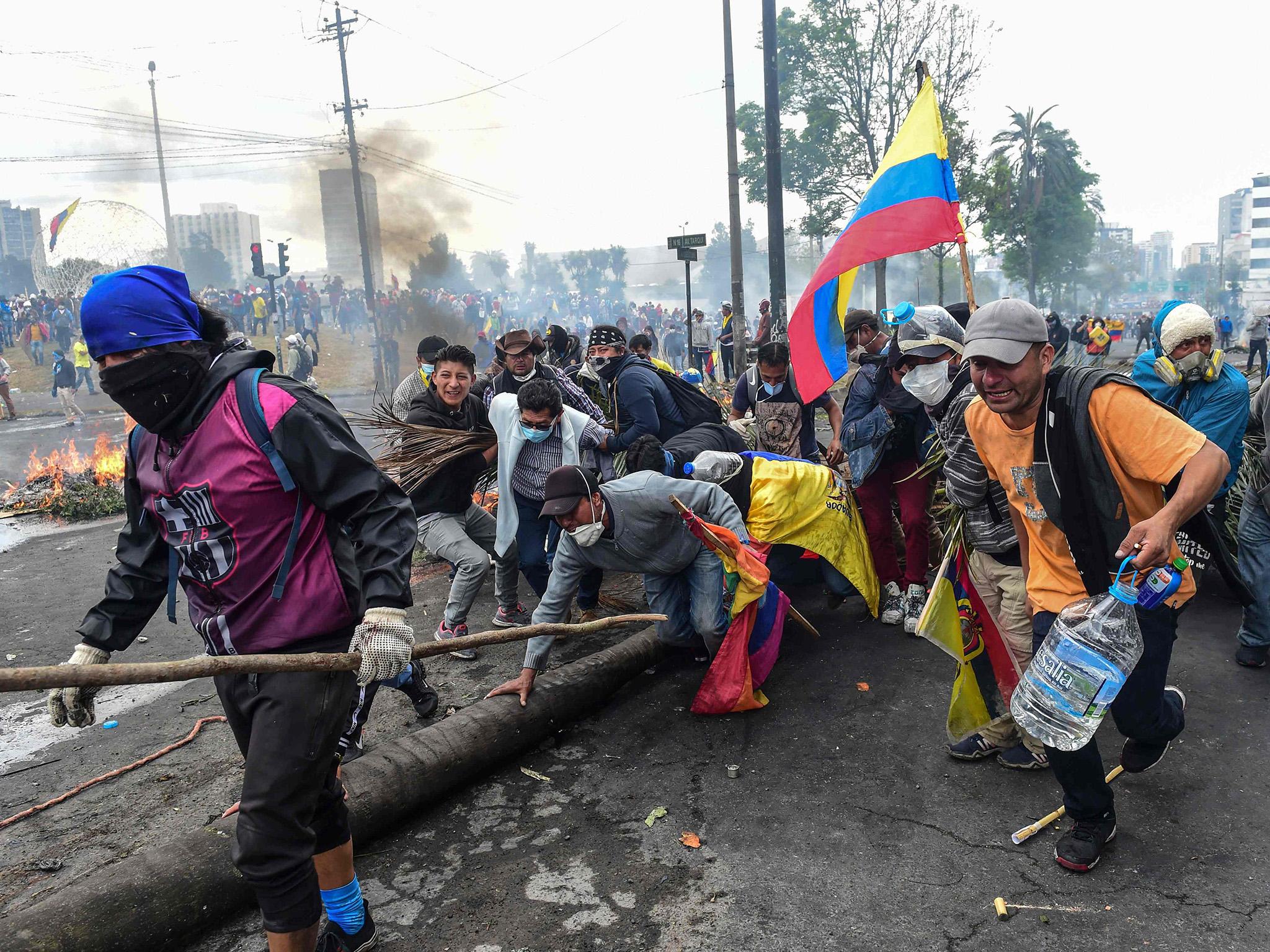
By Monday, the state of emergency was fully in effect. Military units cleared highways in the highlands and Amazonian provinces. Students joined protests in the capital. Dozens were arrested. Indigenous leaders condemned the decree as a “declaration of war,” while Noboa doubled down, insisting that the subsidy cut would not be reversed. His message was clear: firmness, not compromise.
Source: The Guardian
Tuesday saw the conflict deepen. Clashes in Azuay and Chimborazo provinces left dozens injured, including soldiers. Curfews and communications disruptions in some areas raised alarm among human rights groups. Protesters invoked the death of a demonstrator from the previous week and the detention of 13 people on terrorism charges as symbols of state repression. In a televised address, Noboa framed the protests as the work of a “violent minority” bent on destabilization. His words signaled not conciliation but confrontation.
This approach reflects a high-stakes political gamble. Noboa is projecting strength: he wants to signal to domestic elites and international financial institutions that he can push through tough reforms. But in Ecuador, such firmness can quickly become brittle. Indigenous movements have proven time and again that they can paralyze the country. They toppled presidents in 1997, 2000, and 2005. They are not easily intimidated by tear gas or decrees.
Noboa does have supporters—especially among urban middle classes and the business sector—who see subsidy cuts as overdue modernization. But his coalition is geographically and socially narrow. The state of emergency, while popular among some in the cities, risks alienating vast rural populations and international observers if the crackdown escalates.
Source: The Independent
Ecuador now faces a pivotal choice. One path is negotiation: talks with Indigenous leaders, targeted social measures to cushion the subsidy’s impact, and a political opening to defuse tensions. Another is escalation: more roadblocks, more arrests, more violence, and the specter of a government pushed to its limits. A third path, harder to predict, is political realignment. Sustained unrest could fracture Noboa’s coalition or spark institutional challenges that reshape the country’s political landscape.
The last three days have made one thing clear: this is no longer a narrow policy dispute. It is a test of Ecuador’s democratic resilience and political imagination. Noboa is betting that strength will win the day. But in Ecuador’s turbulent political history, governments that mistake resolve for invincibility often find themselves swept away by the very forces they tried to contain.
(If you possess specialized knowledge and wish to contribute, please reach out to us at opinions@news.az).


Similar news