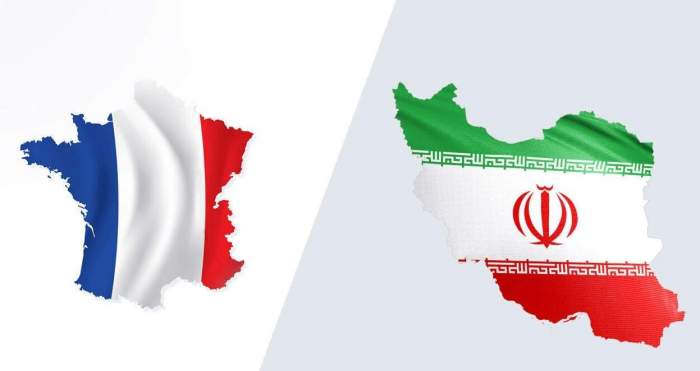
France pressures Tehran: What's behind the tough measures?


By Samir Muradov
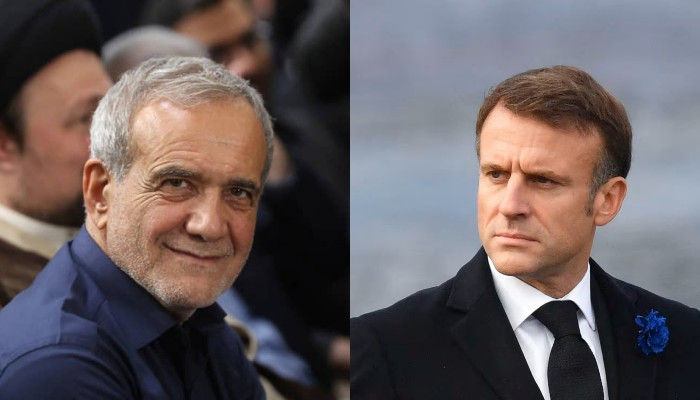
As tensions between the West and Iran continue to rise, particularly over concerns that Iran might retaliate against Israel for the killing of Ismail Haniyeh, France has stepped up its diplomatic and media pressure on Tehran. In recent months, this pressure has become increasingly visible, with Paris taking a series of actions aimed at influencing the Iranian government’s behavior.Over the span of less than a month, France has issued two significant ultimatums to Iran. The first came on July 29 , when French President Emmanuel Macron made a phone call to Massoud Pazeshkian to congratulate him on his election as the President of the Islamic Republic. However, the conversation quickly moved beyond pleasantries. Macron laid out France's expectations clearly: Iran should halt its support for destabilizing forces in the Middle East, stop aiding Russia in its ongoing conflict with Ukraine, rethink its approach to its nuclear program, resume cooperation with the International Atomic Energy Agency (IAEA), and release all French citizens currently imprisoned in Iran.
The second ultimatum came just a few weeks later, on August 23, during a phone call between French Foreign Minister Stéphane Séjourné and his Iranian counterpart, Abbas Araghchi. During this call, France reiterated its demand for the immediate release of French nationals, emphasizing that this was an absolute priority. Moreover, Paris voiced serious concerns about Iran's support for groups that could further destabilize the Middle East, and issued a stark warning against any actions that might lead to regional chaos.
But France didn't stop at diplomatic negotiations. Alongside these high-level talks, Paris also launched a robust information campaign aimed at highlighting Iran’s domestic issues and applying additional pressure.
For instance, on August 7, the French Ministry of Foreign Affairs publicly condemned the execution of Gholamreza Rasai , a protester who had been sentenced to death for his involvement in demonstrations that erupted in the fall of 2022 following the death of Mahsa Amini. These protests spiraled into a series of large-scale anti-government movements across Iran, capturing global attention.
Just a few days later, on August 9, French media outlets picked up a story about Narges Mohammadi, the 2023 Nobel Peace Prize laureate, who had been allegedly beaten in Evin Prison, where she has been detained since 2021. This report sparked outrage and brought renewed international focus on Iran’s human rights record.
These actions by France can be seen as part of a larger strategy to curb Iran's influence in the region while solidifying Western positions in the Middle East. The strategy appears to be twofold: applying diplomatic pressure while leveraging media to sway public opinion and shine a spotlight on Iran's internal challenges. This multi-layered approach seems designed to isolate Tehran on the world stage and potentially pave the way for tougher measures from the West down the line.
In this way, France is signaling its strong commitment to its stance on Iran, showing that it is ready to go the extra mile to push for changes in Tehran’s behavior. However, it remains to be seen how effective this pressure will be and what impact it will ultimately have on the political dynamics of the Middle East.


Similar news