Why Israel and Lebanon agreed to a conditional ceasefire


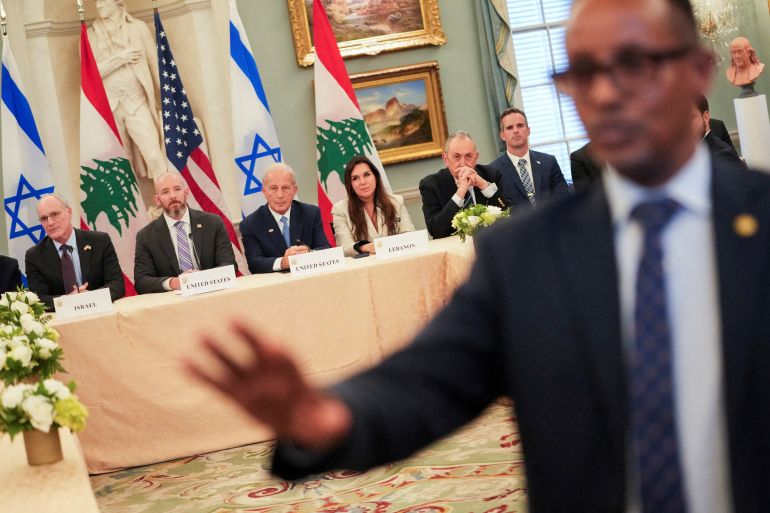
Israel and Lebanon have agreed to implement a new ceasefire following U.S. mediated negotiations, marking the latest effort to halt months of fighting along the Israel Lebanon border.
The agreement was announced after several rounds of talks aimed at reducing tensions that have threatened to widen into a broader regional conflict, News.az reports.
RECOMMENDED STORIES
The deal is considered a significant diplomatic development, although questions remain about its implementation.
Why is the ceasefire described as “conditional”?
Unlike a traditional ceasefire, the agreement is tied to specific security requirements.
Under the deal, Hezbollah is expected to halt attacks against Israel and withdraw its fighters from designated areas in southern Lebanon. In return, the Lebanese Armed Forces would assume greater responsibility for security in those regions, while both Israel and Lebanon continue political and security discussions.
The arrangement means the success of the ceasefire depends largely on whether all parties comply with the agreed conditions.
What role will the Lebanese army play?
A central element of the agreement is the expansion of the Lebanese Armed Forces' presence in southern Lebanon.
Several areas are expected to come under the exclusive authority of the Lebanese military, limiting the activities of armed non state groups. Supporters of the agreement believe this could strengthen state authority and help reduce the likelihood of future clashes along the border.
The deployment of Lebanese troops is also viewed as a confidence building measure intended to reassure both sides.
Has Hezbollah accepted the agreement?
There has been no clear indication that Hezbollah has fully endorsed every aspect of the deal.
Lebanese officials have suggested that the group is open to a ceasefire arrangement, but Hezbollah has also emphasized that any long term solution must address broader political and security concerns.
The group's final position is likely to be a key factor in determining whether the ceasefire can be successfully implemented and maintained.
Will fighting stop immediately?
Not necessarily.
Although the agreement establishes a framework for reducing violence, military activity could continue during the early stages of implementation. Both sides have indicated that they reserve the right to respond to perceived violations.
This means the ceasefire remains fragile and could face challenges if incidents occur on the ground.
Why is the United States involved?
Washington played a leading role in facilitating negotiations between Israel and Lebanon.
The United States has sought to prevent the conflict from escalating into a wider regional confrontation and has encouraged both sides to pursue diplomatic solutions. American officials view the agreement as an important step toward reducing tensions and creating conditions for further dialogue.
The ceasefire also aligns with broader international efforts aimed at stabilizing the Middle East.
How does this relate to the wider regional situation?
The Israel Lebanon conflict is closely connected to broader geopolitical tensions across the Middle East.
Developments involving Iran, regional armed groups, and ongoing security concerns have increased the importance of preventing a wider conflict. Many observers believe that progress on the Israel Lebanon front could have implications for stability elsewhere in the region.
As a result, the ceasefire is being closely monitored by governments and international organizations around the world.
What happens next?
The agreement calls for continued negotiations between Israel and Lebanon in the coming weeks and months.
Future discussions are expected to focus on border security, military arrangements, and mechanisms for preventing future hostilities. Diplomatic efforts will also seek to address underlying issues that have contributed to recurring tensions.
For now, the ceasefire represents a significant diplomatic breakthrough, but its long term success will depend on implementation, compliance, and sustained political commitment from all sides.
Frequently Asked Questions
What is the main goal of the ceasefire?
The primary objective is to halt cross border hostilities, reduce tensions, and prevent the conflict from escalating into a broader regional war.
Who brokered the agreement?
The ceasefire was facilitated through diplomatic efforts led by the United States with involvement from regional and international partners.
Does the agreement guarantee peace?
No. The ceasefire is intended to reduce violence, but lasting peace will require additional negotiations and political agreements.
Why is Hezbollah important to the deal?
Hezbollah is a major actor in southern Lebanon, and its cooperation is considered essential for the successful implementation of the ceasefire.
Could the ceasefire fail?
Yes. Like many ceasefire agreements, its success depends on compliance, effective monitoring, and the willingness of all parties to avoid renewed hostilities.
By Faig Mahmudov


Similar news