Generations under radiation: Algeria’s plea for justice from France


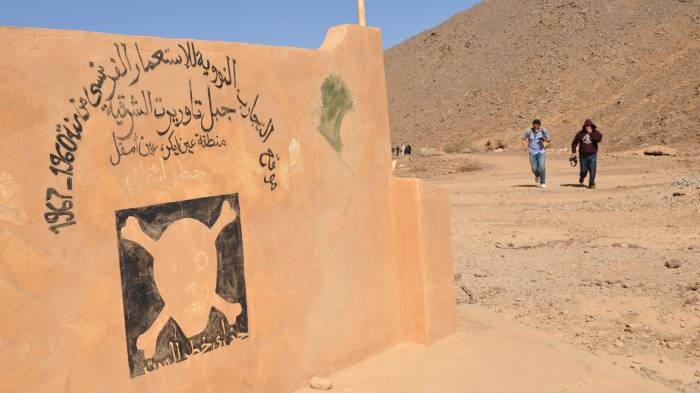
Photo: Getty Images
The historical relationship between France and Algeria is a complex tapestry woven with threads of oppression, exploitation, and profound injustice. Among the most glaring examples of this troubled legacy is France’s nuclear testing in Algeria, an indelible stain on its colonial history. These tests, carried out with little regard for human life or environmental safety, left a devastating impact that continues to resonate across generations, underscoring the urgent need for accountability and reparations.
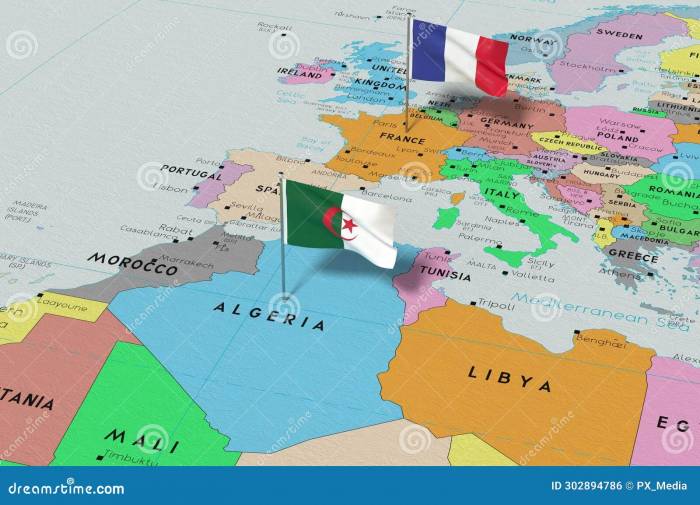
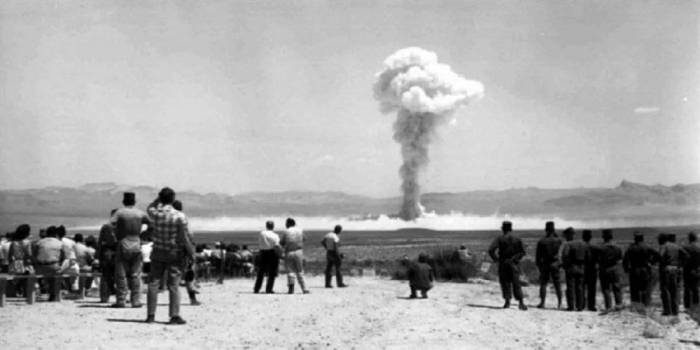
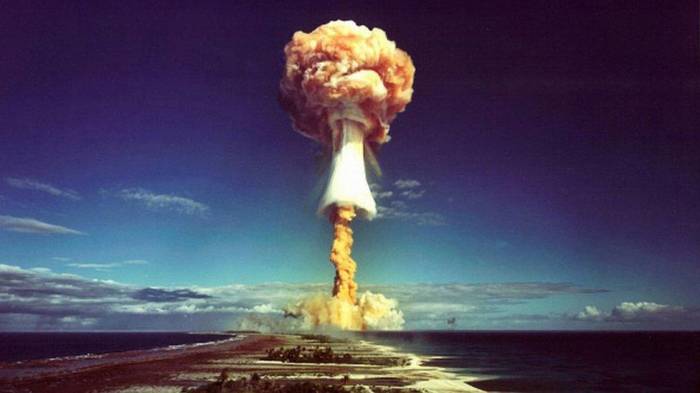
Between 1960 and 1966, France conducted 17 nuclear tests in Algeria, using the remote Sahara regions of Reggane and Ekker as testing grounds. The choice of these isolated locations was far from coincidental. It reflected a calculated disregard for the well-being of the local population, predominantly nomadic Bedouins, who were neither warned of the impending dangers nor provided with safeguards against radiation exposure. For the French authorities, these people were expendable, deemed unworthy of the precautions that would have been mandatory for European citizens.The first nuclear test, code-named "Gerboise Bleue," took place on February 13, 1960, in Reggane, marking France’s entry into the exclusive nuclear club. This event was not only a demonstration of technological prowess but also a geopolitical statement, signaling France’s ambitions during the height of the Algerian War of Independence. Despite claims of "peaceful" nuclear research, the true cost of these tests was borne by the Algerian people and their environment. The explosion’s mushroom cloud, a harbinger of destruction, symbolized the disregard for human and ecological life in the pursuit of global power.
 DreamsTime
France’s colonial mindset, deeply rooted in xenophobia and a sense of racial superiority, regarded Algerians as inferior. This dehumanizing attitude allowed French authorities to dismiss the catastrophic consequences of their actions. Labeling Algerians as "backward" Arabs and Muslims further justified their decision to minimize risks for French citizens while exposing Algerian lives to unprecedented danger. Such decisions laid bare the moral bankruptcy of colonial governance, where imperial ambitions trumped basic human decency.
The health consequences of these nuclear tests have been nothing short of catastrophic.
Thousands of Algerians were exposed to lethal levels of radiation, leading to an alarming increase in cancer rates, genetic abnormalities, and reproductive health issues. The tragedy does not end with those directly exposed; the effects of radiation have persisted across generations. Families continue to grapple with inherited genetic disorders, creating a cycle of suffering that seems endless. Children born decades after the tests exhibit health complications linked to the radioactive legacy, underscoring the long-term human cost of these experiments.
The environmental toll has been equally devastating. Vast stretches of land have been rendered uninhabitable due to radioactive contamination. Water sources—a lifeline in the arid Sahara—have been polluted, depriving communities of essential resources. Entire ecosystems have been disrupted, with plant and animal species pushed to extinction in some areas. For rural and nomadic communities, whose livelihoods depended on the delicate balance of the desert environment, this destruction compounded their hardships, forcing many to abandon their ancestral lands.
 english.aawsat
Since gaining independence in 1962, Algeria has consistently demanded that France acknowledge and address the consequences of its nuclear tests. Successive Algerian leaders have called for reparations, medical support for radiation victims, and environmental restoration. Despite these persistent demands, France’s response has largely been characterized by reluctance and evasiveness. The lack of meaningful action underscores the broader challenges of post-colonial justice, where former imperial powers often resist confronting their historical wrongs.
 dailysabah
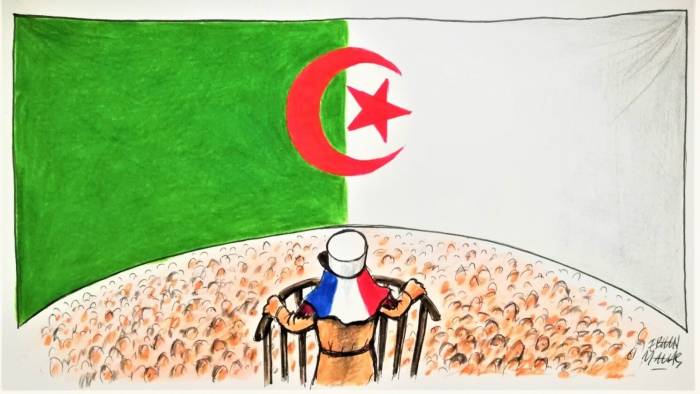
Saleh Goudjil, President of Algeria’s Council of the Nation, has been a vocal advocate for the victims of these nuclear tests. He has emphasized that France must fully accept responsibility for the damage caused and take concrete steps to rectify it. Goudjil’s calls are not merely political rhetoric but a reflection of the deep-seated pain and suffering experienced by affected communities. He has repeatedly stressed that acknowledgment alone is insufficient; tangible measures are needed to heal the physical, emotional, and ecological scars left behind.
The issue of France’s nuclear tests in Algeria transcends political discourse. It is, at its core, a moral obligation. The suffering inflicted on Algerians represents a dark chapter of colonial history that demands justice and reconciliation. Recognizing the harm caused and offering a formal apology could pave the way for healing and rebuilding trust. However, apologies must be accompanied by concrete actions. Medical aid for victims, compensation for affected families, and comprehensive environmental rehabilitation are essential steps toward addressing this historical injustice.
 BBC
BBCFor survivors and their descendants, the wait for justice has been agonizingly long. Many have died without seeing any acknowledgment of their suffering, leaving their families to carry the torch of their struggle. Justice for these victims requires more than symbolic gestures; it demands systemic efforts to address the ongoing repercussions of France’s actions. Establishing specialized medical facilities, funding scientific studies to assess long-term radiation effects, and initiating large-scale decontamination projects are among the measures that could make a tangible difference.
France’s nuclear testing in Algeria stands as a tragic symbol of the broader injustices of colonial rule. The legacy of these tests—manifested in human suffering and environmental degradation—remains a painful reminder of the moral and ethical failures of imperialism. For Algeria, the fight for justice is not just a historical issue; it is an enduring struggle to honor the memory of those who suffered and to ensure that their voices are heard. This struggle is also a testament to Algeria’s resilience and its determination to confront its colonial past.
For France, addressing these wrongs is not merely a matter of diplomacy or political strategy. It is an essential step toward moral accountability and reconciliation with its colonial past. By acknowledging the harm caused and taking meaningful action, France has an opportunity to demonstrate that it values justice and human dignity. Such efforts would not only help heal the wounds of the past but also lay the foundation for a more equitable and respectful relationship between the two nations.
The international community also has a role to play in supporting Algeria’s quest for justice. Advocacy from global organizations and pressure from other nations can compel France to confront this dark chapter of its history. The story of France’s nuclear tests in Algeria serves as a cautionary tale, highlighting the need for accountability in the use of nuclear technology and the importance of prioritizing human and environmental welfare over geopolitical ambitions.
 dailysabah
As the survivors and their descendants continue their fight for recognition and reparations, the world must listen and respond. Justice delayed is justice denied, and for those who have suffered under the shadow of radiation, time is running out. Addressing the legacy of France’s nuclear tests in Algeria is not just a matter of historical accountability; it is a moral imperative that demands action today, for the sake of generations to come.


Similar news