Georgia and Azerbaijan deepen strategic cooperation amid geopolitical shifts


By Asif Aydinly
Against the backdrop of growing mistrust between Tbilisi and the West, Georgia’s ruling party is shifting its foreign policy priorities. The first foreign visit by newly elected President Mikheil Kavelashvili was to Azerbaijan—a move already seen by experts as symbolic. In an interview with News.Az, Georgian political analyst and founder of the SIKHA Foundation, Archil Sikharulidze, discusses the reasons behind this diplomatic pivot, the prospects of restoring ties with Russia, and the true impact of ongoing street protests.

Source: Alpha News / Archil Sikharulidze, Georgian political analyst and founder of the SIKHA Foundation
– How do you assess the outcome of Georgian President Mikheil Kavelashvili’s visit to Azerbaijan? What was the message behind this trip?
– Amid the crisis in relations with the West, the ruling Georgian Dream party has finally come to understand that Georgia’s true strategic partners are not Brussels or Washington, but its immediate neighbors. This is precisely why President Mikheil Kavelashvili chose Azerbaijan for his first foreign visit. Armenia is next on the itinerary, and I hope that Türkiye and Iran will follow. Unfortunately, for obvious reasons, he cannot visit Russia at this time.
Due to the ongoing political crisis, Georgia’s political elite is beginning to recognize that sustainable development depends on strong regional cooperation. For years, the population was misled into believing that rushing to Brussels, shaking hands with officials, and taking a few photos was enough. Reality has proven otherwise.
Source: Georgia.Ge
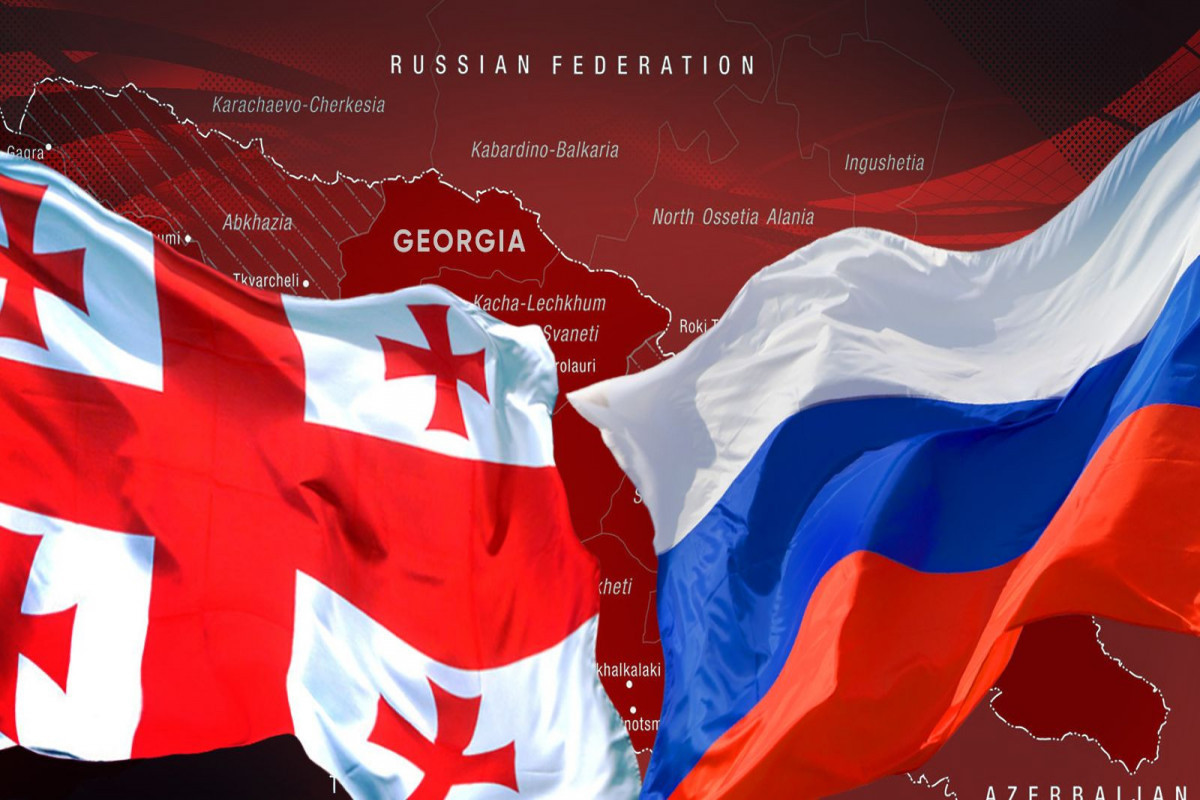
– Recently, Russian Deputy Foreign Minister Mikhail Galuzin stated that Moscow is ready to restore diplomatic relations with Tbilisi. How do you interpret this statement?
– Galuzin’s proposal is clearly linked to Russia’s search for allies in the wake of its international isolation. Considering that U.S. President Donald Trump is likely to attempt a reset with Moscow, the Kremlin thought, “Why not suggest the same to Georgia?”
However, Georgian Dream cannot afford such a move. On one hand, Brussels is actively interfering in Georgia’s internal affairs and trying to orchestrate a change of government. On the other, the ruling party remains confined by the ideological framework of the previous regime, which blamed Russia for all of Georgia’s problems. In this context, it would be very difficult to explain why Tbilisi would choose to re-engage with Moscow.
Let us not forget that the West—especially Brussels—would also find it difficult to accept, as it continues to call for fighting Russia “until the very end.”
Source: Georgia Today
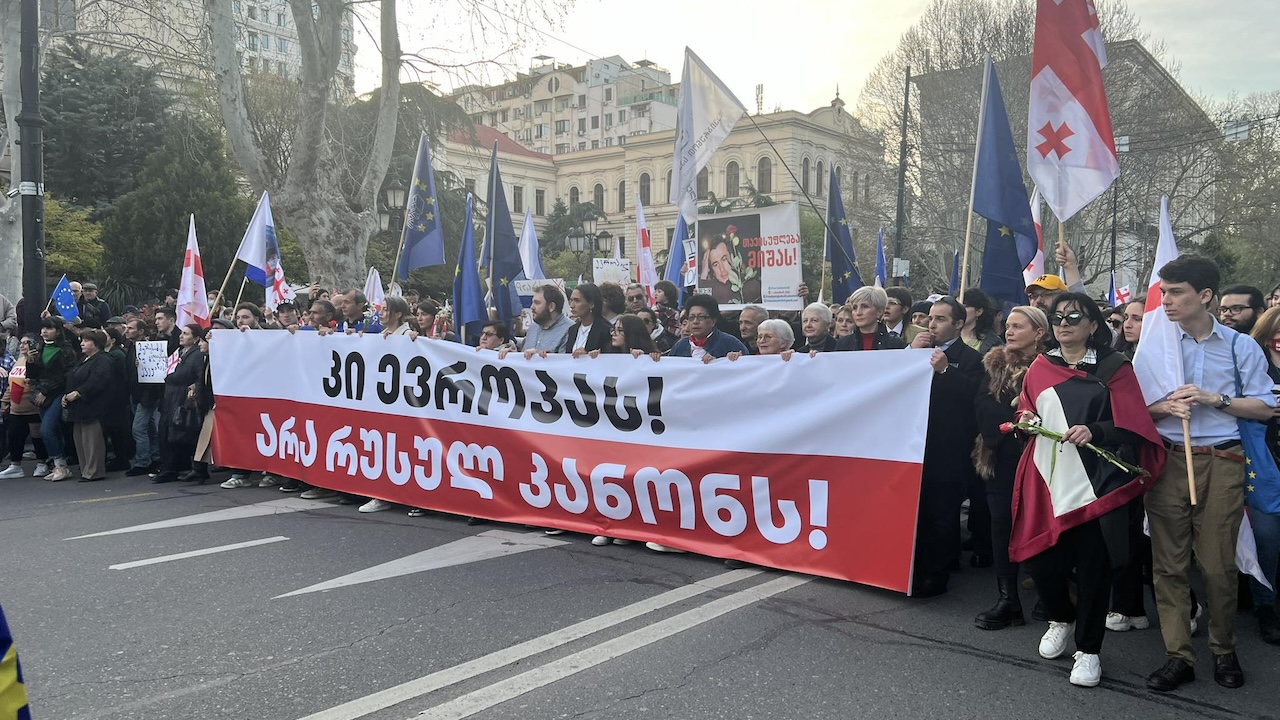
– Since November 2024, the opposition has been holding daily protests on Rustaveli Avenue in Tbilisi. Are these demonstrations losing momentum?
– Absolutely. The protest movement has nearly fizzled out. These days, around 50 people gather on weekends, block the streets, take photos, and send them to Europe to create the illusion of mass public discontent.
Opposition activists travel to European countries, calling for sanctions against Georgian officials. Once a month, announcements emerge from Lithuania, Latvia, Poland, or the UK about new sanctions, usually targeting officials from the Ministry of Internal Affairs.
But it’s clear these are merely symbolic gestures from Brussels. Imposing sanctions months later for so-called violence against “peaceful” protesters makes little sense—especially when everyone knows these protests were far from peaceful.
Source: Trend
– How does the partnership between Azerbaijan and Georgia contribute to regional stability and security?
– Azerbaijan plays a key role in ensuring Georgia’s energy independence from Russia, which is already a major contribution to our national security. Baku is a strategic partner for Tbilisi in the supply of energy resources through alternative routes, bypassing Moscow.
Equally important are the strong people-to-people ties between our countries—ethnic Azerbaijanis and Georgians live on both sides of the border, strengthening cultural and humanitarian connections. That makes this partnership truly strategic.
The fact that President Kavelashvili chose Azerbaijan for his first official foreign visit clearly demonstrates that, for Georgia, relations with Baku are more important than those with Brussels.


Similar news