Hidden agenda? What Türkiye and Ukraine are really discussing


.png)
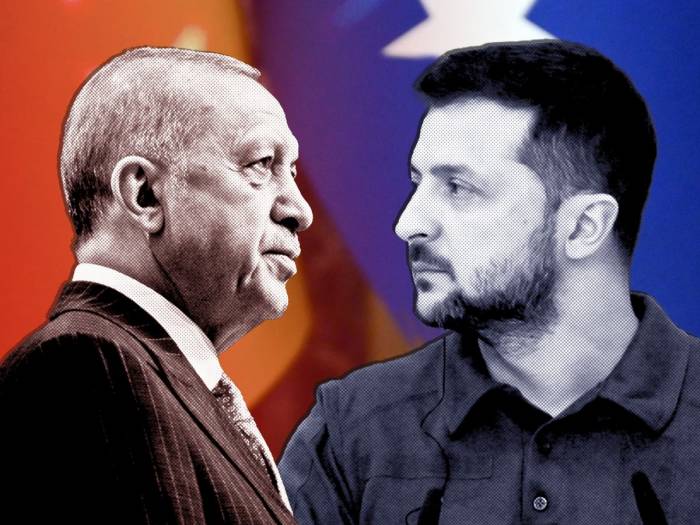
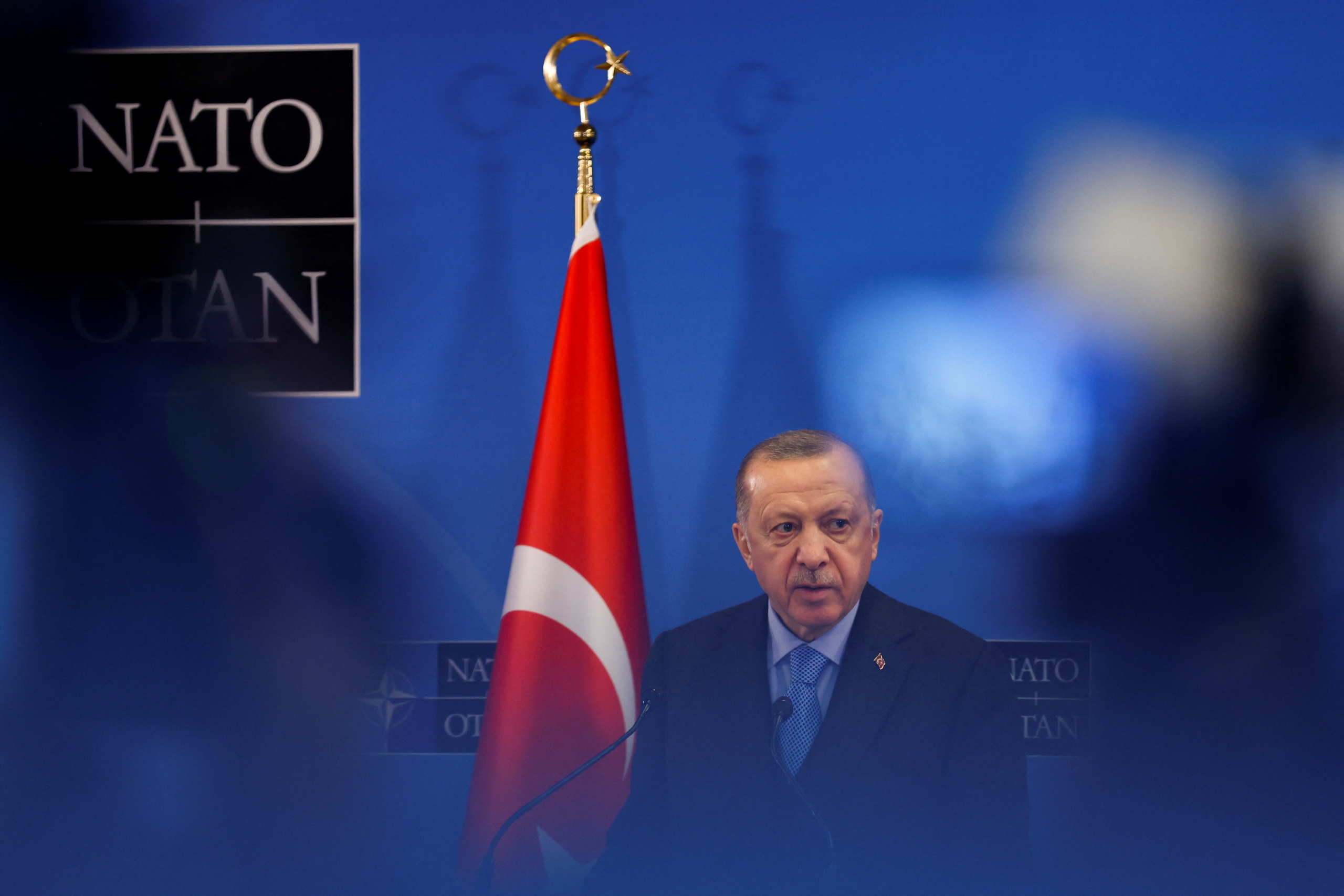
Against the backdrop of ongoing geopolitical tensions, the upcoming meeting between the presidents of Türkiye and Ukraine has garnered significant attention. While officially framed as a discussion on humanitarian issues—including food security, cultural diplomacy, and educational cooperation—many experts believe the true agenda extends far beyond these topics. To gain deeper insight into the significance of this meeting, News.Az has reached out to Ukrainian political scientist and military expert Alexander Kovalenko . In his analysis, Kovalenko explores the broader geopolitical implications, including the potential impact of the new U.S. presidential administration, Türkiye’s evolving role within NATO, and the feasibility of a European peacekeeping mission in Ukraine.
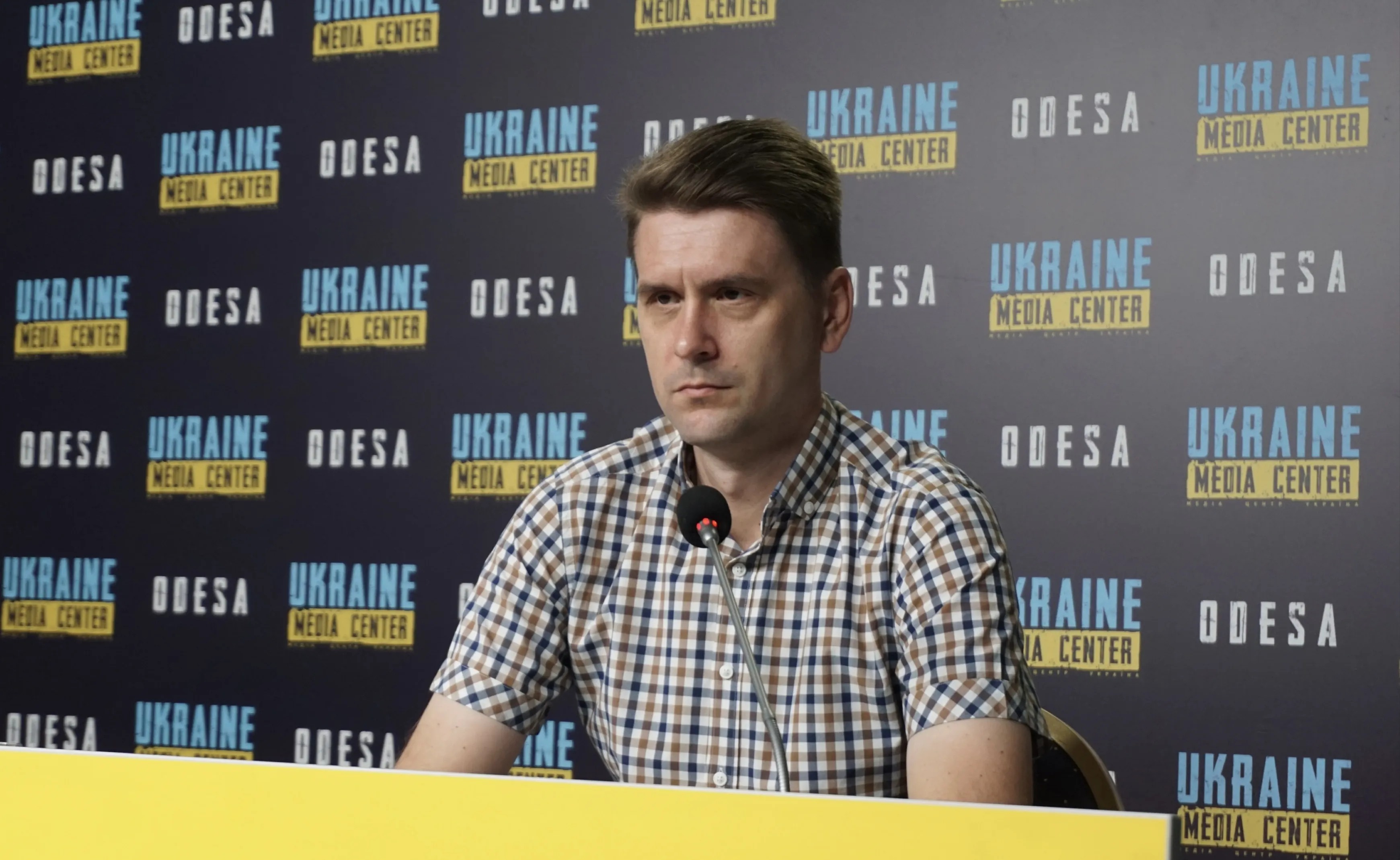
“It has been officially announced that the meeting between the presidents of Türkiye and Ukraine will primarily focus on humanitarian issues, including food security, the Black Sea, and the grain corridor, which is currently secured by Ukrainian forces. Additionally, cultural exchange, cultural diplomacy, and educational matters are on the agenda. On the surface, this appears to be a humanitarian discussion. However, I am more than certain that the humanitarian aspect is merely a cover for the real purpose of the meeting. First and foremost, we all understand what will not be openly declared—the new U.S. presidential administration. Ukraine today views Donald Trump as a gamble, unpredictable in his decisions. Whatever hand is dealt, that’s how he will play. This makes it extremely difficult to rely on any long-term strategy or stable policy from him. It’s an ‘all or nothing’ situation, as we say in Ukraine—either you win everything, or you’re left with nothing. In this context, consolidating forces that are more rational, consistent, and politically experienced is now crucial.”
Türkiye – A country consistent in its actions
Mr. Kovalenko noted that Türkiye and its President, Recep Tayyip Erdoğan, have shown consistency in their actions: “They adhere to a defined strategy. Europe is now behaving in a similar manner, seeking to consolidate in the face of an unpredictable future under U.S. leadership. Türkiye may face certain challenges due to significant changes within NATO, which will inevitably affect its position. These could include issues related to U.S. military bases and its presence in the region. Therefore, I believe that the humanitarian issues being discussed are merely superficial. Türkiye has historically supported Ukraine, and we have maintained friendly relations in modern history. At this moment, we are seeking common ground, particularly regarding the implications of the next U.S. president’s policies. This will help us navigate the challenges that may arise under what can be described as a less-than-far-sighted strategic direction of the 47th U.S. president.”
A European plan for peacekeeping troops in Ukraine
Addressing the idea of a foreign peacekeeping contingent in Ukraine, Mr. Kovalenko questioned its feasibility and effectiveness: “I don’t see their functionality or usefulness. We have witnessed numerous peacekeeping missions throughout history, including those led by the UN, and none have yielded tangible benefits—quite the opposite, in fact. Let’s imagine peacekeepers being deployed along the front line. For what purpose? A stray shell could hit them, an aerial bomb could strike their position, or a sabotage group could launch an attack on a checkpoint, eliminating a platoon of French troops. The key question is: how would the peacekeeping contingent respond? Would they launch an offensive? Of course not. Would they merely voice their outrage at the UN Security Council? Most likely. There would be condemnation, but no real action. Meanwhile, when Ukrainian forces are positioned at the front, they respond in kind—they strike back, reclaim lost positions, and defend their territory. This is a far more effective and guaranteed method of ensuring stability. But for this to be successful, Ukraine requires proper support, including equipment and ammunition—supplies that our own military-industrial complex cannot fully produce. If Türkiye were to send a peacekeeping contingent, what would their actual role be? It’s important to remember that from 2015 to 2022, under the Minsk Agreements, Russia never adhered to the first provision—a ceasefire.”

“Ukrainian positions were shelled almost daily, and Ukraine had to respond. How would the Turkish contingent act? Reinforcing Ukrainian troops in certain areas would be beneficial, but what would their mandate be? Would they be allowed to respond decisively to threats? Would they have the necessary authority? Or would they, like previous peacekeeping forces, become victims of continuous Russian provocations? Russia has always adhered to a policy of terror. It has never honored the agreements it signed, despite official seals and signatures. I cannot believe that Russia would ever agree to a genuine peace settlement in Ukraine, especially if it meant taking Ukraine’s interests into account. Any ceasefire along the front line would inevitably be accompanied by repeated provocations, designed to eliminate peacekeepers. Therefore, while I strongly support deeper cooperation between Ukraine and Türkiye, I also understand that if the Turkish peacekeeping mission is not given broader operational authority, allowing its forces to respond effectively to threats, it will, unfortunately, result in casualties without achieving meaningful results,” he continued.
Military-technical cooperation between Ukraine and Türkiye
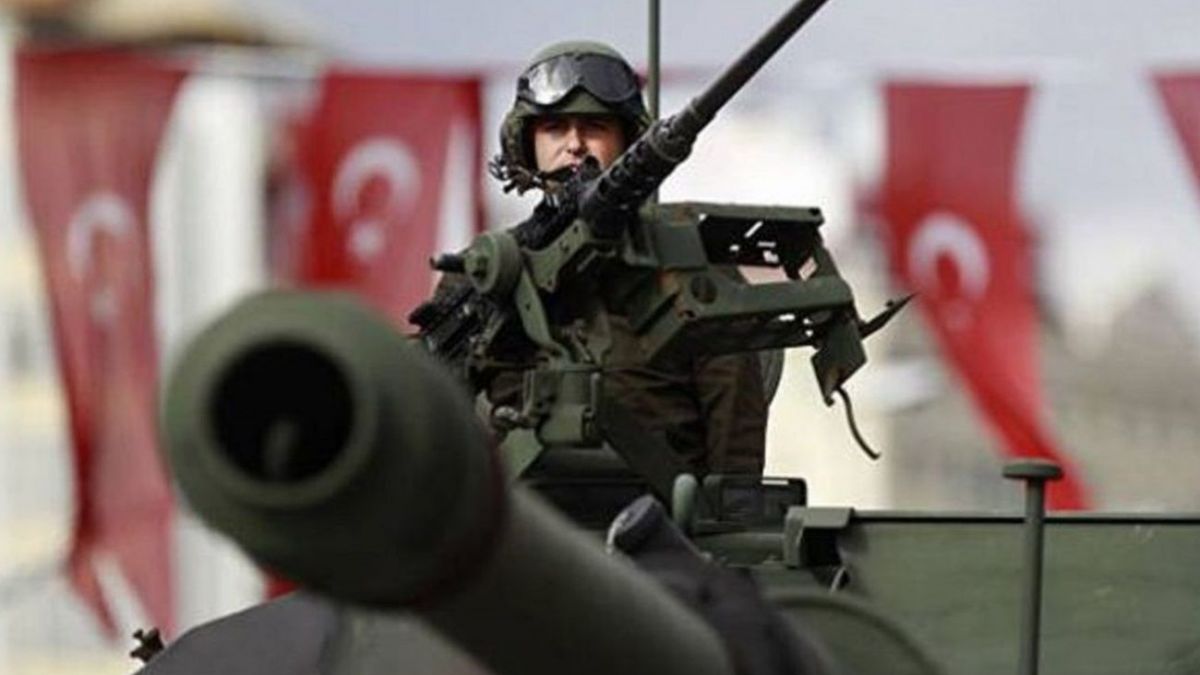
Mr. Kovalenko highlighted that military-technical cooperation between Ukraine and Türkiye has been ongoing since before the full-scale invasion of Ukraine in 2022: “We have established several joint projects, particularly in the field of active protection systems and beyond. There were even preliminary discussions about equipping the Altay main battle tank—the first domestically developed Turkish tank—with a Ukrainian engine. However, the design was later revised, and Türkiye now manufactures its own power plant, which marks a significant milestone for its defense industry. At this level, our military-technical cooperation remains strong and continues to develop.”


Similar news