How do EU countries cope with energy dependence on Russia?


The shifting dynamics of the global energy market have placed Europe at a critical crossroads, where it must redefine its energy security strategies in response to a rapidly changing geopolitical landscape.
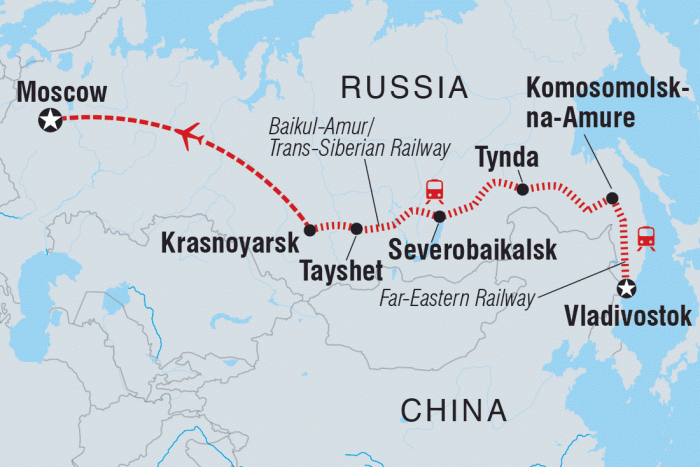
The shifting dynamics of the global energy market have placed Europe at a critical crossroads, where it must redefine its energy security strategies in response to a rapidly changing geopolitical landscape. With longstanding reliance on Russian resources now under intense scrutiny, European countries are being forced to recalibrate their energy imports and find alternative solutions. This transition has not only reshaped trade routes but also created new challenges and opportunities for both Europe and energy exporters like Azerbaijan.How are European countries and the EU dealing with their reliance on Russian energy? In many ways, the markets have adapted. For example, starting from August 10, 2022, the EU banned the import of Russian coal , so most of it has shifted to Asian markets. This has caused some internal issues for Russia, particularly with redistributing coal between regions. For instance, the Kemerovo region now faces more difficulties exporting coal, as transportation costs have risen due to longer distances to Asian markets, lowering profitability. Moreover, Russia is experiencing logistical problems: railway lines are congested with coal heading east, and the empty return wagons also take up space on the tracks. This has complicated the transport of goods along the Baikal-Amur Mainline (BAM) and the Trans-Siberian Railway, as much of the trade has pivoted to Asia. To optimize logistics, there is even discussion about using empty coal wagons for container transport on the return journey.
Despite these challenges, coal production has only slightly decreased, thanks to high coal prices in 2022. However, by the end of 2023, prices returned to multi-year averages, adding economic pressure on Russia’s coal industry. The biggest winners are companies in regions close to the Far East, such as Yakutia and other eastern regions, while regions far from new markets, like Kemerovo, are the hardest hit.
As for oil, Russia has also redirected its supplies to alternative markets. Instead of supplying Europe, which is now primarily served by Middle Eastern producers, Russia has turned to India and, to some extent, Southeast Asia. The volumes that used to go to Europe are now almost entirely headed to India, which has become Russia’s biggest oil buyer, even though it wasn't in the top 10 of Russia's main oil importers before 2022. On the Indian market, Russia has overtaken suppliers like Iraq, Saudi Arabia, and the UAE, who have redirected their sales to Europe. However, Europe faces a refining capacity issue, as it is now often cheaper to buy refined oil products from India (made from Russian oil) than to refine crude oil in Europe.
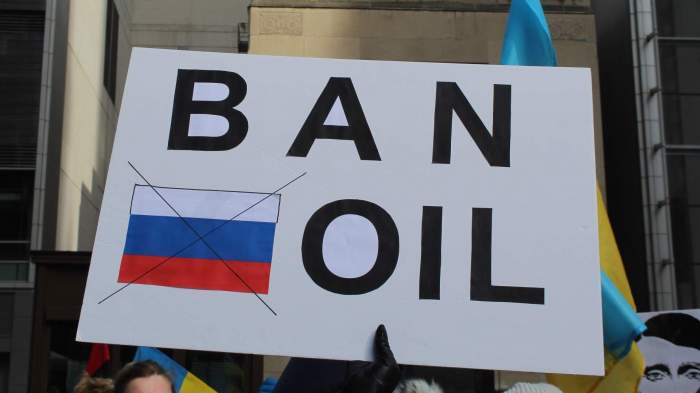
Since February 5, 2023, the EU banned the import of Russian oil products, but Indian oil products, made from Russian crude, have partially replaced Russian oil and oil products on European markets. This shift has reduced Europe’s crude oil imports since it is more cost-effective to buy refined products.
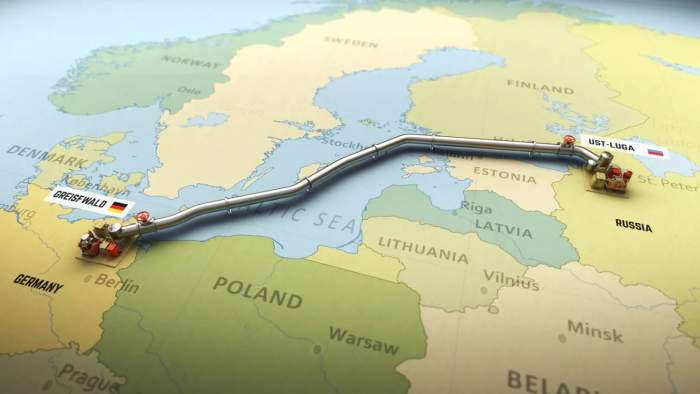
The situation with gas was the most dramatic in 2022-2023. Replacing Russian gas is much more complex due to the need for specific infrastructure, such as gas pipelines or liquefied natural gas (LNG) plants. The reduction in Russian gas supplies wasn’t due to sanctions directly, as there was no official embargo on Russian gas. Instead, technical and political issues on the pipelines caused disruptions. For instance, the “Nord Stream 1” pipeline faced turbine breakdowns that were supposed to be serviced by Siemens, but servicing was hindered by sanctions, as the company responsible was under UK, Canadian, and U.S. jurisdiction. These sanction regimes had to be followed, making it difficult to carry out the necessary maintenance. Eventually, the pipeline’s capacity gradually decreased, and by September 3, 2022, it fully stopped. Later, in late September, the pipeline was damaged by an explosion, taking 30-40 billion cubic meters of gas off the market annually.
Additionally, Russian companies in Europe, involved in gas transit, faced asset seizures and sanctions. For example, Gazprom lost its stake in the company operating the Yamal-Europe pipeline in Poland, and Russia imposed sanctions on these companies, forbidding further cooperation. This halted the Yamal-Europe pipeline, which previously transported about 25 billion cubic meters of gas annually. By 2023, remaining routes like the TurkStream and Ukrainian transit were not running at full capacity, although by 2024, TurkStream reached its maximum.
As a result, in 2021, Gazprom delivered about 160 billion cubic meters of pipeline gas to Europe , but by 2023, that figure had dropped to 27 billion cubic meters. Europe cut its gas consumption by 90 billion cubic meters in 2022-2023, as an energy crisis and deindustrialization took hold, driven by soaring prices. Gas prices had started rising in 2021, and the reduction of Russian supplies made the crisis worse. Many European politicians, promoting green energy, discouraged companies from investing in traditional fossil fuels, leading to underinvestment in gas production.
Russia’s share of the European gas market dropped from 35% to 8-12% , depending on the month. However, Russia remains the second-largest LNG supplier to Europe, behind the U.S. Despite this, pipeline gas is more important for Russia, as LNG exports don’t provide the same tax revenue. Pipeline gas exports, on the other hand, generate significant income from taxes on natural resource extraction and export duties.
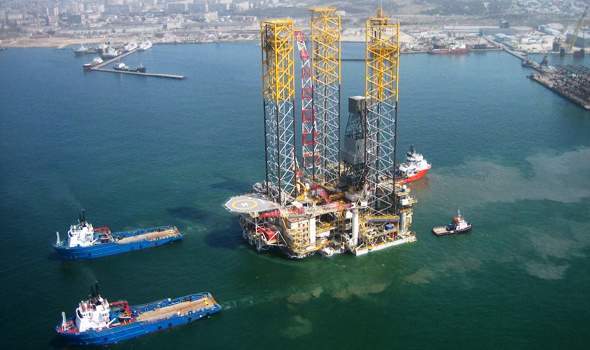
Now, about Azerbaijan's role as a key energy player. By 2022, Azerbaijan had brought the Shah Deniz-2 field to full production capacity and completed the TAP-TANAP pipeline system. Azerbaijan increased gas exports to Italy , Greece, Bulgaria, and Turkey under long-term contracts just as gas prices surged. In 2022-2023, Azerbaijan sold gas at very high prices, which boosted the country’s revenues.
However, further expansion of gas supplies would require significant investment in infrastructure and gas fields. As Azerbaijani President Ilham Aliyev pointed out, European countries are asking for more gas but are unwilling to sign long-term contracts, which makes investments risky for Azerbaijan. Without guarantees of long-term demand and favorable prices, Azerbaijan is unlikely to invest in expanding its gas production and pipeline infrastructure.
Instead, the country will continue to supply gas under existing contracts, monetizing its gas reserves and gradually recouping investments in projects like TAP-TANAP and Shah Deniz-2. While Azerbaijan is unlikely to sharply increase its gas exports, its market share in Europe could grow as Russian gas supplies dwindle and deindustrialization in Europe continues.
As Europe continues to navigate the energy crisis and adjust its reliance on Russian resources, the role of alternative suppliers like Azerbaijan will become even more critical. Whether through increased investments or strategic partnerships, the future of European energy security will hinge on long-term commitments and the development of new supply chains.
(If you possess specialized knowledge and wish to contribute, please reach out to us at opinions@news.az).


Similar news