Iraq launches major probe after Saudi infrastructure strikes raise regional tensions


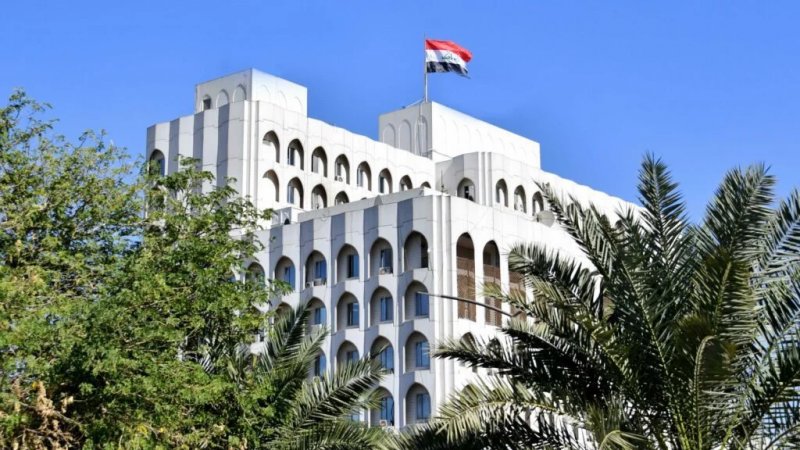
Iraq has launched urgent legal and security procedures to investigate recent strikes targeting key infrastructure in Saudi Arabia, in what officials describe as a firm regional political stance rejecting the use of Iraqi territory for cross-border attacks. Baghdad says it is seeking to prevent further escalation while preserving diplomatic efforts across the Gulf.
The Iraqi government has ordered intelligence services to collect radar data and identify groups potentially involved in the incidents, while also reinforcing border and desert security operations, News.Az reports, citing Voice of Emirates.
Iraqi authorities have formed joint investigative committees under the Ministry of Defense and the Joint Operations Command to review drone and missile activity detected by regional monitoring systems. The aim is to determine whether Iraqi airspace was used in the attacks and to prevent future violations.
RECOMMENDED STORIES
Security forces are reportedly increasing deployments in western and southern desert areas to disrupt militant movements and smuggling networks that could threaten regional stability or bilateral relations with Saudi Arabia.
Baghdad has emphasized that its national security is closely linked to stability in the Arabian Peninsula, noting that expanding economic and trade ties with Riyadh, including through border crossings, make regional escalation economically damaging for Iraq as well.
Officials have also called for enhanced intelligence-sharing with Saudi Arabia and other regional partners to strengthen border security and monitor potential threats across vast desert regions.
The Iraqi Foreign Ministry has urged regional and international actors to prioritize diplomatic solutions and avoid actions that could further inflame tensions, while discussions continue with Arab League representatives on possible security coordination frameworks.
Iraq says it remains committed to preventing the country from becoming a base for regional proxy conflicts, stressing that it will not tolerate any violation of its sovereignty or attempts to draw it into wider military confrontations.
By Leyla Şirinova


Similar news