How Trump’s policies could change the global balance of power?


Editor’s note: John Chris Kiriakou is a former intelligence officer. He was jailed for exposing the interrogation techniques of the U.S. government. He was an analyst and case officer for the Central Intelligence Agency (CIA), senior investigator for the Senate Foreign Relations Committee, and a consultant for ABC News. The article expresses the personal opinion of the author and may not coincide with the view of News.Az.
Donald Trump’s potential return to the White House would herald a significant shift in U.S. foreign policy, characterized by a turn to isolationism and a recalibration of the country’s global commitments. Unlike the Biden administration’s multilateral approach, Trump’s policies are likely to emphasize reduced international involvement, particularly in conflicts and foreign aid.
Reducing military support and changing the Ukraine strategy
A cornerstone of Trump’s foreign policy would be a reassessment of U.S. support for Ukraine. During his campaign, Trump criticized the “blank check” approach to military and economic aid, suggesting a quick reduction or complete cessation of support. He has expressed a firm belief that NATO allies should bear a greater share of the burden, underscoring his broader philosophy of minimizing direct U.S. involvement in global conflicts. Additionally, Trump is expected to advocate for immediate peace talks between Russia and Ukraine, signaling a preference for negotiated settlements over prolonged military engagement.
Middle East Policy: A firm stance on Israel and the implications for regional dynamics
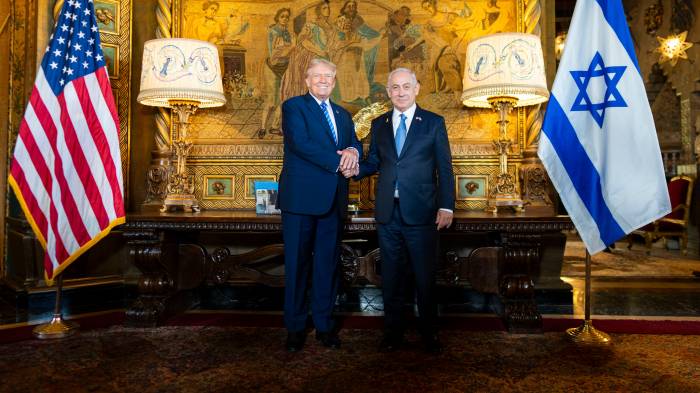
Trump’s Middle East policy would likely continue his staunch support for Israel, positioning him as the most pro-Israel president in American history. However, reviving the "Deal of the Century" appears off the table, as the shifting dynamics in the region make it untenable. The escalation of violence in Palestine has complicated relations between Israel and key players like Saudi Arabia, whose leadership insists on the establishment of a viable and independent Palestinian state—a condition Trump and Israel are unlikely to accept. This unwavering support for Israel may also exacerbate tensions with Iran, although Trump’s historical approach hints at the possibility of unconventional diplomacy reminiscent of his outreach to North Korea.
Iran: Sanctions and the nuclear question
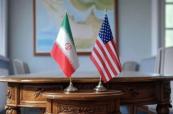
On Iran, Trump’s strategy would face significant limitations. Existing sanctions, he believes, have lost their effectiveness due to the widespread international trade with Tehran. While his administration might explore the possibility of a new nuclear deal, it would likely be framed on terms favorable to the U.S., reflecting his transactional approach to international agreements.
Balancing China and Russia: Divergent approaches
In terms of great power competition, Trump is expected to adopt a dual strategy: a tough stance on China , primarily through economic measures like tariffs, and a softer approach to Russia. His trade conflict with China would aim to secure more favorable terms for the U.S., potentially leading to productive negotiations. Meanwhile, his relatively conciliatory posture towards Russia would align with his long-standing skepticism of NATO’s expansion and his desire to avoid further confrontation with Moscow.
Global power dynamics under a Trump presidency
Trump’s presidency would likely reshape the global balance of power, with the U.S. withdrawing from certain commitments while reasserting itself in other areas. His isolationist tendencies might lead to a reduced American presence in traditional conflict zones, but his assertiveness in trade and diplomacy could redefine relationships with key players like China and Iran.
In essence, Trump’s return would signal a marked departure from the current administration’s strategies, reflecting his unique blend of nationalism, pragmatism, and unpredictability. How the world would respond to this shift remains a critical question for policymakers and analysts alike.
(If you possess specialized knowledge and wish to contribute, please reach out to us at opinions@news.az).


Similar news