How Trump prepares China for tough economic confrontation


By Samir Muradov
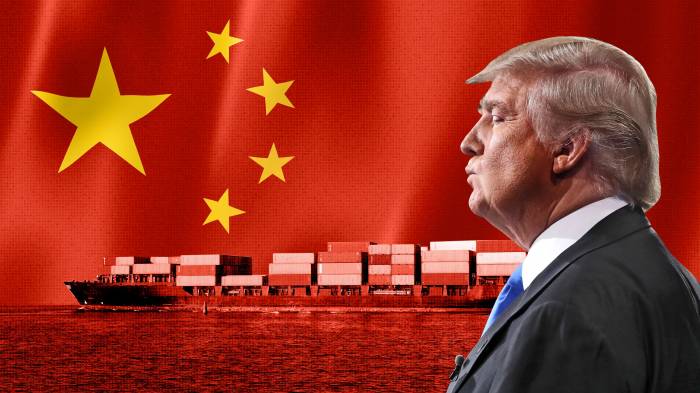
With Donald Trump’s potential return to American politics, China faces two strategically critical challenges that could reshape not only Sino-American relations but also the power balance in the Asia-Pacific region. The first challenge is the likely increase in tariffs on Chinese exports, which could seriously impact Beijing’s economy. The second is a potential shift in U.S. policy on Taiwan , which might embolden China’s ambitions for reunification with the island.Tariff increases: A new phase of trade war
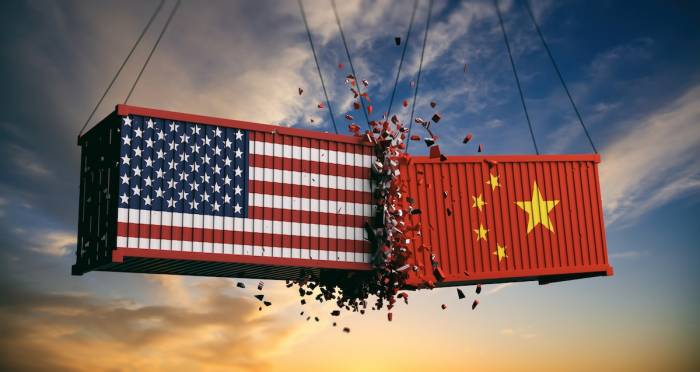
There is a high likelihood that, if Trump returns to power, he will push to introduce 60% tariffs on Chinese goods. Given the current trade volume between the two countries, which stands at around $650 billion, such measures could drastically reduce China’s exports to the United States. Experts estimate that trade volumes could shrink to a mere $100 billion, a severe economic blow for Beijing. In response, the U.S. may lose its status as China’s largest trading partner, and China will likely pivot to stronger economic relations with Japan, South Korea, and Russia, thus creating a new market dynamic in Asia.
China will undoubtedly try to offset these losses by seeking alternative supply routes. For instance, redirecting exports through Southeast Asian countries such as Vietnam and Indonesia could help ease tariff pressure. By doing so, Beijing might retain around $200 billion in exports, though its trade surplus would still suffer a reduction of approximately 30-50%, amounting to roughly $300 billion in losses. These challenges to Beijing’s economic stability would be significant, particularly for Xi Jinping’s administration, which has prioritized domestic production and export growth.
European Union as an alternative market

One of China’s potential strategies is to strengthen economic ties with the European Union . The EU will likely adopt a less radical stance toward Chinese goods, offering Beijing an “economic bridge” across the Atlantic. However, there are limits here too, as Europe’s policies are also influenced by external pressures, especially from the United States.
Trump’s tariff policy could further impact the transoceanic lobby, which has long worked to improve Sino-American relations through mutually beneficial trade. This alliance, built on years of close cooperation, would be severely weakened by the reduction in trade volumes. Chinese and American companies dependent on transoceanic trade will face losses and a decrease in political influence, further complicating prospects for repairing relations in the foreseeable future.
Taiwan question and Trump’s policy shift
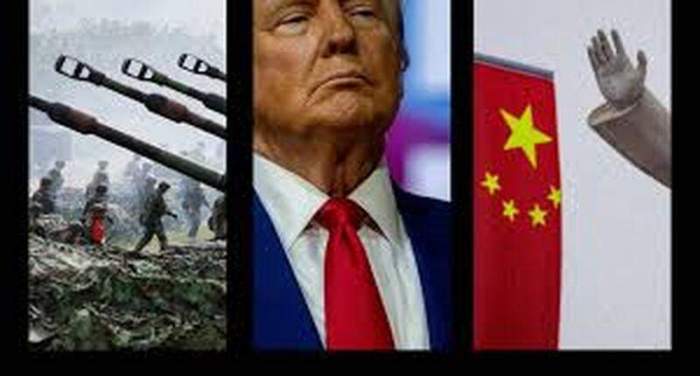
Regarding Taiwan, Trump’s potential return to the presidency could bring about major geopolitical shifts. He is known for his ambivalence on Taiwan, openly opposing the current ruling Democratic Progressive Party (DPP) on the island and essentially ceding initiative to Beijing on Taiwan’s future. Trump also champions relocating semiconductor production from Taiwan to the United States, a move of strategic importance for both America and China.
In the event of a conflict between China and Taiwan, Trump is unlikely to support Taiwan militarily, which could grant China considerable freedom of action. This could encourage Xi Jinping to increase pressure on Taiwan, especially if the more China-friendly Kuomintang (KMT) party comes to power on the island in 2028. This political scenario would open up the possibility of a peaceful reunification, a long-standing goal for Xi Jinping.
Potential repercussions for Japan and South Korea
Trump’s inclination to distance the U.S. from active support for Japan and South Korea could also disrupt the regional power balance. Japan would likely become one of China’s largest economic partners, yet it would be concerned about China’s growing influence and potential aggression against Taiwan. For South Korea, the prospect of a weakened alliance with the U.S. is equally worrisome, as it faces uncertainties in its relations with both China and North Korea. Ultimately, this could lead to an arms race in the region, as Asian nations bolster their own defense capabilities.
Korean Peninsula: Unclear but risky prospects
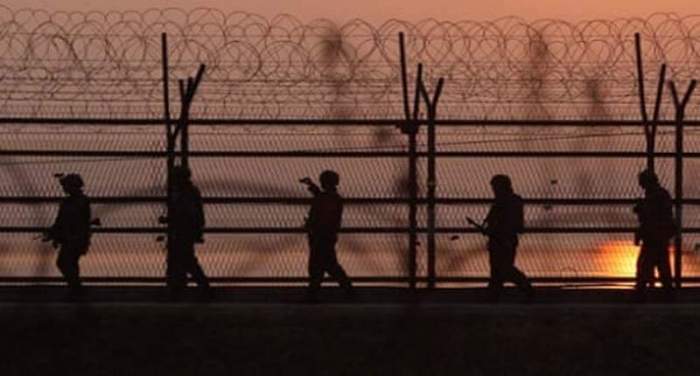
Amidst this geopolitical instability, the situation on the Korean Peninsula becomes even more convoluted. Relations between North and South Korea remain tense, though Trump is known for his flexible approach toward North Korea. Pyongyang might interpret this stance as a “green light” to strengthen its position. Meanwhile, South Korea will feel pressure from both China and North Korea, further complicating the regional landscape.
New power balance in Asia
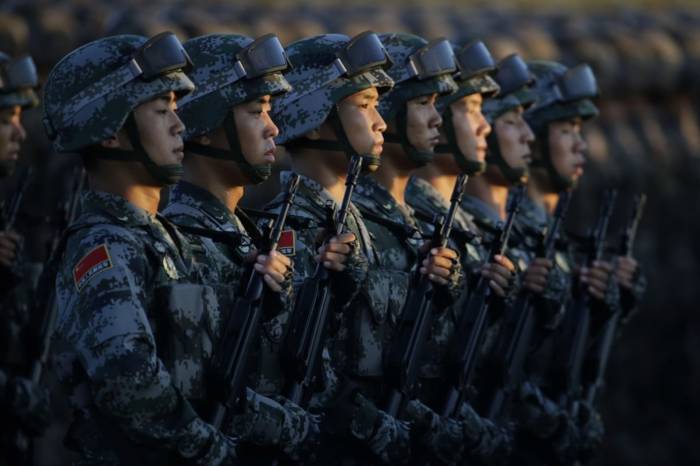
Trump’s return to the political stage could bring not only changes in Sino-American relations but also profound shifts in global power distribution. Should his policy focus on isolating China through tariffs and refraining from intervention in Asian conflicts, it could create a vacuum in the region. China would likely seek to fill this void, leading to significant changes in East Asia and potentially sparking conflicts involving Japan and South Korea.
China will face a complex situation, balancing the loss of the American market with the need to maintain regional stability. In such conditions, Beijing might adopt a more aggressive stance on Taiwan and strengthen its cooperation with other Asian countries, while the United States observes cautiously from a distance.


Similar news