Human Metapneumovirus: A chimera or the next global threat?


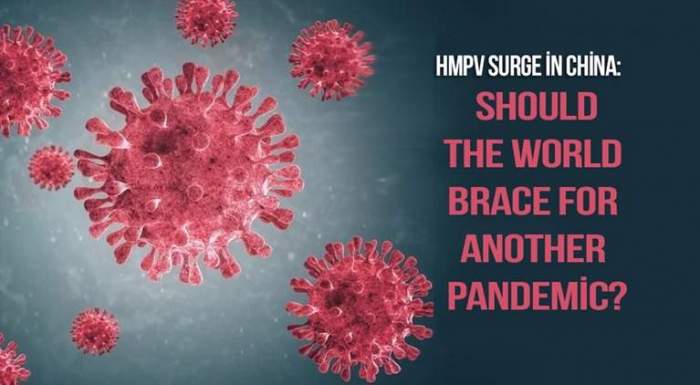
Image: News.Az
By Tural Heybatov
For several days now, global media outlets have been sounding the alarm about an approaching new pandemic—once again reportedly emerging from China. This time, it concerns human metapneumovirus (HMPV). According to reports, the pathogen produces symptoms similar to those of COVID-19 and influenza, targeting the lungs, and is said to have a mortality rate as high as 43%.Social media and news platforms have erupted with videos and photos of hospitals filled with children. Neither the World Health Organization (WHO) nor Beijing has rushed to declare a state of emergency, while Western media outlets claim that Chinese authorities are downplaying the severity of the situation.
Chinese officials, meanwhile, insist nothing extraordinary is happening. Still, the country’s Center for Disease Control and Prevention does not deny an increase in HMPV cases. Dr. Wang Quan, chief physician at Beijing Children’s Hospital, confirmed to reporters a surge in both influenza and metapneumovirus among children. This trend, she noted, started in mid-December of last year.
China is currently experiencing a peak season for respiratory illnesses, likely linked to colder weather. The incidence of metapneumovirus is rising primarily among children under 14, with the highest prevalence in northern provinces.
Mao Ning, spokesperson for China’s Ministry of Foreign Affairs, told a recent briefing that viral spread during the winter season is common and that “travel in China is safe.”
If not for the recent coronavirus pandemic, few people would likely pay much attention to yet another seasonal viral infection. After all, the common seasonal flu kills more than 600,000 people worldwide each year without triggering widespread panic among virologists. We might also recall the so-called swine flu, which infected up to 20% of the global population between 2009 and 2010.
Nonetheless, memories of COVID-19—linked to labs in Wuhan—as well as current geopolitical tensions have sparked concern about this allegedly impending pandemic. Reports of HMPV infections have already come in from Uzbekistan, Ukraine, and the United Kingdom. In the UK, HMPV has been found in 4.5% of all tested patients. Kazakhstan’s Ministry of Health has also confirmed cases of metapneumovirus in the country. Since October 1, 2024, 30 cases have been identified there, and officials emphasize that human metapneumovirus is one of the classic viruses that have circulated worldwide for decades. The ministry also notes that the infection rate stands at only 1.6%, offering little reason for alarm.
Despite the lack of a clear threat, neighboring countries remain on high alert. Russia is closely monitoring the situation, Cambodia has issued advisories on HMPV, and India has responded calmly, pointing out that there is no cause for panic since HMPV closely resembles other respiratory viruses.
What Are Experts Saying About HMPV?
Where did it come from, and how dangerous is it? Symptomatically, HMPV resembles a common cold or flu. The illness usually progresses mildly but can lead to serious complications such as pneumonia in some cases. Children under five—especially infants—and adults over 65, as well as people with compromised immune systems or chronic respiratory conditions like asthma or chronic obstructive pulmonary disease (COPD), are at higher risk. Others often experience no symptoms or only mild discomfort.
Experts emphasize that this is by no means a new pathogen; rather, it is a long-known and extensively studied virus that typically becomes more active alongside other common infections during peak flu season. Discovered in the Netherlands in 2001, HMPV has been detected annually in many countries as soon as the cold season sets in. It generally spreads through airborne droplets.
Core symptoms include coughing, a runny nose, shortness of breath, fever, and headaches. Preventive measures are similar to those for other respiratory illnesses: frequent handwashing and avoiding contact with people who are coughing or sneezing. Wearing a mask in crowded places can also help, though it is a matter of personal choice. Hu Qiangqiang, an official representative of China’s National Health Commission, advises timely vaccination, consistent mask use, personal hygiene, and proper ventilation of indoor spaces.
Overall, if one filters out the sensationalism from social networks and the politicization by certain media outlets, there is no major panic or drastic response among specialists. Much about the COVID-19 pandemic remains unresolved, and healthcare professionals are reluctant to add another burden to the global stage. Still, not everything is up to the doctors. Political factors can play an even bigger role.
In any case, stocking up on masks might not be a bad idea. They are bound to become scarce again if someone, somewhere decides it is time to shake the world once more.


Similar news