INTERVIEW: What’s behind Serbia’s push to buy out Russian shares in NIS?


Photo: Baloncici / Shutterstock
By Maria Zhigadlo
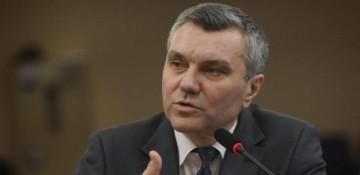
As new U.S. sanctions intensify the pressure on Russian energy companies, Serbia finds itself at the center of a regional energy debate. The possibility of buying out Gazprom Neft and Gazprom shares in NIS, Serbia’s leading oil and gas company, raises critical questions about the country’s energy security, geopolitical positioning, and economic future. In this interview, News.Az speaks with Igor Yushkov, a leading analyst at the National Energy Security Fund and an expert at the Financial University under the Government of the Russian Federation , who sheds light on the potential impact of these sanctions and the strategic steps Serbia might take to protect its interests.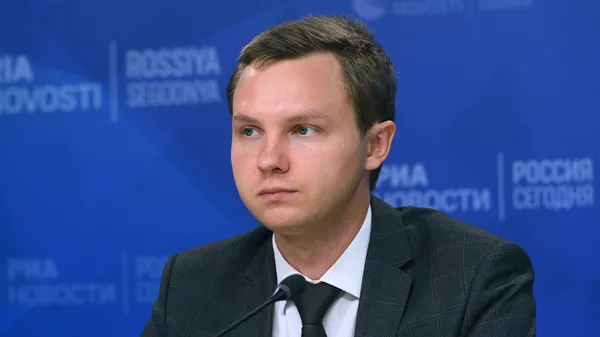
© Sputnik / Vladimir Trefilov /
- What are the key reasons that prompted Serbia to consider buying out the shares of Gazprom Neft and Gazprom in NIS?
- The main reason is that Gazprom Neft has recently come under new US blocking sanctions (inclusion on the so-called SDN List). This means that any economic dealings with Gazprom Neft are prohibited for American and many European companies. And since Gazprom Neft owns the largest block of shares in NIS, any assets associated with it automatically fall under these restrictions. Serbia fears that, as a result, their own structures that do business with NIS may face secondary sanctions.
Formally, this is not about the “collapse of the Serbian economy,” as mentioned by President Aleksandar Vučić, but it is clear that this situation poses a serious challenge for Serbia. The country worries that if NIS comes under sanctions, oil supplies, refining, and ultimately the export of petroleum products will be affected. That is why Belgrade is seriously considering how to remove NIS from under US sanctions, including through the buyout of Russian shares.
-To what extent is Belgrade’s decision related to the current geopolitical situation and Europe’s changing attitude toward Russian business?
- Geopolitics is the main factor here. The new US sanctions and Europe’s tougher stance on Russian energy companies are pushing Serbia to look for compromise solutions. The United States has given a 45-day period to cease any contacts with companies that have fallen under the new restrictions. During this time, Serbia aims to remove Gazprom Neft from the NIS shareholder structure so as not to come under secondary sanctions itself.
Active negotiations are underway. One option is for Serbia to buy out Gazprom Neft’s stake (figures of around USD 600–700 million have been mentioned, though this may be an undervaluation). Another option is to transfer this stake to another Russian entity, for example, Gazprom. Formally, Gazprom is not subject to the same sanctions, so that would offer a way out for Belgrade. However, the Serbian authorities would prefer to have direct control over NIS so they would no longer have to worry whether a new shareholder might be sanctioned in the future.
- What economic and energy benefits would Serbia gain if control over NIS were transferred to local authorities or companies?
- From an economic perspective, Serbia clearly benefits from being able to manage the asset directly without fearing a blockade on the export of petroleum products. Currently, Gazprom Neft supplies oil to its plant in Serbia, but under sanctions, even the transportation of that oil could be prohibited (given that paying for pipeline transit through a number of countries might be blocked if those transactions involve Gazprom Neft).
If control over NIS shifts to the Serbian side (whether the state or local companies), the risk that the entire chain—from the supply of raw materials to the export of petroleum products—will be halted due to sanctions on a Russian shareholder is significantly reduced. Moreover, Serbia could independently seek alternative oil suppliers, while revenues and taxes from NIS’s operations would remain within the Serbian economy.
It is important to note that NIS is itself a high-tech, modernized asset in which Gazprom Neft has invested substantial resources. Therefore, if Serbia succeeds in buying out the stake at a relatively low price, it would be a major acquisition. On the other hand, if Russia finds a way to simply transfer Gazprom Neft’s stake to Gazprom—so that, in legal terms, NIS is no longer formally linked to Gazprom Neft—sanctions risks could be partly mitigated, while control would remain on the Russian side. However, judging by official statements, the Serbian government is clearly aiming to consolidate this strategically important asset in its own hands.


Similar news