Iran pushes for leadership in West Asia with MWADA proposal - EXPERT OPINIONS


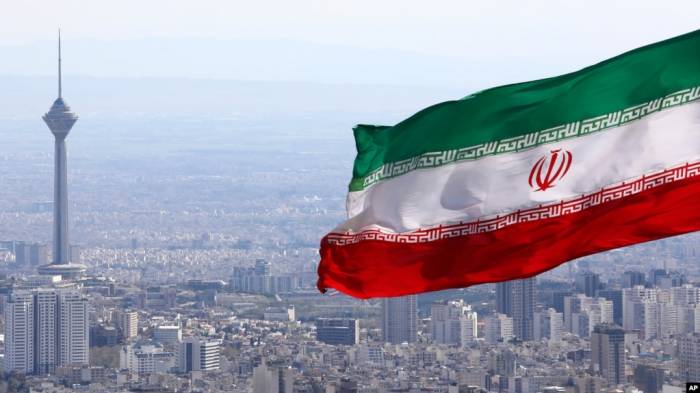
FILE - Iran's national flag flutters in the wind as the Milad telecommunications tower and buildings are seen in the background, in Tehran, Iran, March 31, 2020.
Iranian Vice President Mohammad Javad Zarif has introduced a proposal that has captured significant international attention: the establishment of the Muslim West Asian Dialogue Association (MWADA).
This initiative aims to promote regional stability and foster deeper cooperation among West Asian nations. However, as with any major diplomatic effort, Tehran’s strategic interests appear to be at the core of this endeavor, leveraging the potential platform to advance its geopolitical goals.The timing of this proposal is as calculated as its content. Iran likely views MWADA as an opportunity to assert its leadership in the region, crafting a dialogue framework that aligns with its own priorities. By establishing a new organization, Tehran positions itself as a central force in discussions on security, economic collaboration, and diplomatic alignment.
Iran's preference for a fresh platform, rather than working through existing organizations like the Organization of Islamic Cooperation (OIC) or the Gulf Cooperation Council (GCC), underscores its desire for a more flexible and autonomous structure. These established institutions, often marked by competing interests and external pressures, may lack the agility and focus Tehran seeks. MWADA, on the other hand, offers Iran the chance to dictate the terms of engagement, invite select participants, and set the agenda without interference from rival powers.

Commenting on Iran’s motivations, Miri Eisin, a retired Israeli colonel and senior fellow at the International Institute for Counterterrorism , in her interview with highlighted the broader implications of this proposal. The colonel noted that Tehran's push for MWADA is a calculated effort to dominate the regional discourse. “Iran wants to define the agenda,” Eisin stated, emphasizing that such a forum would give Tehran the ability to include or exclude participants as it sees fit.
The term "Western Asia," often employed by countries like India, deliberately excludes Africa, providing Iran with a more focused geographic scope and maneuverability. According to Eisin, this approach reflects Iran’s broader strategy to expand its influence across monetary, security, and diplomatic arenas.
MWADA aligns with Iran's overarching goal to diversify its diplomatic engagements and counterbalance external pressures. The initiative is part of a broader strategy to reshape regional dynamics in its favor, creating opportunities to consolidate alliances while marginalizing adversarial influences.
Iran’s ambition to lead MWADA dovetails with its growing involvement in emerging security and economic frameworks, signaling a shift in how Tehran intends to secure its interests amid a volatile regional landscape.
The establishment of MWADA represents more than just a platform for regional dialogue; it embodies Iran's strategic aspirations to cement itself as the preeminent player in West Asia. While the initiative could foster meaningful cooperation among Muslim-majority nations, it also provides Tehran with a powerful tool to shape the regional agenda and enhance its diplomatic leverage. As the region grapples with increasing complexity and volatility, MWADA could serve as both a beacon for collaboration and a reflection of Iran’s ambitions on the global stage.
Distinguished Israeli political scientist and historian Ofir Haivry in his interview with News.az provided with the insight, that noting that Iran’s push for MWADA stems from its current strategic vulnerabilities.
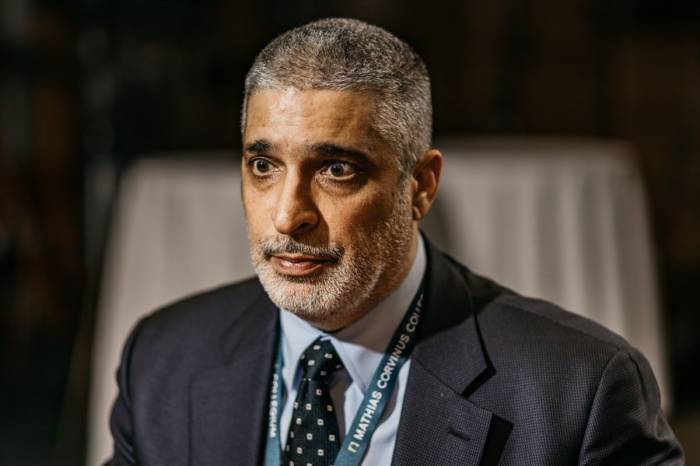
“Over the last year, Iran has faced a strategic bind in relation to both the East and the West, relying increasingly on Russia and China,” Haivry explained. “The prospect of an even more adversarial U.S. administration—anticipated long before Trump’s election—intensified Iran’s need for a new direction. This is where MWADA came into play.”
Haivry noted that MWADA represents Iran’s attempt to counteract growing encirclement—both diplomatically and militarily—by Western powers. He added, “The collapse of Iran's key proxies in the past year has only heightened the urgency for this new framework.”
Compounding Tehran’s challenges is the rise of Türkiye as a formidable regional competitor. “Türkiye’s growing power adds another layer of complexity for Iran,” Haivry remarked. “Faced with overlapping crises, Tehran is urgently seeking an alternative platform outside of traditional organizations, where it might find greater flexibility to navigate its current strategic predicament.”


Similar news