Is a military alliance of Turkic states possible? - Expert Opinions


.png)

In an exclusive interview with News.Az, prominent Turkish political analysts and experts weigh in on the evolving dynamics of the Organization of Turkic States (OTS) and its potential shift towards military cooperation.
Engin Ozer, a Turkish political scientist , provides insights into Turkiye’s strategic alliances, particularly emphasizing its commitment to Azerbaijan under the Shusha Declaration and its cautious stance on extending military partnerships to other Turkic nations. Meanwhile, former military attaché General Yücel Karauz advocates for transforming the OTS into a more robust defense alliance, highlighting the need for a coordinated security mechanism akin to NATO. Adding to the discourse, Elnur Hasan Mikail, Head of the Department of Political Science at Kars Kafkas University , outlines the benefits and challenges of a potential military union among Turkic states, stressing the need for political will and trust to make such an alliance a reality. The discussion underscores the strategic interests, geopolitical considerations, and the complex balance Turkiye maintains between regional cooperation and its existing commitments.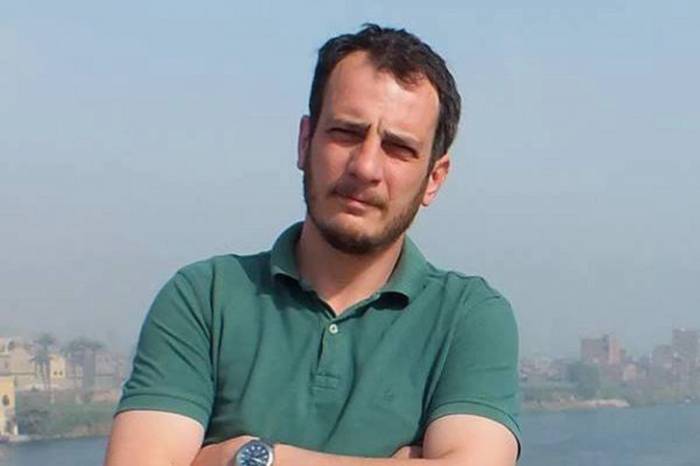
Turkish political scientist and analyst Engin Ozer discussed Turkiye's stance on military alliances. As a NATO member, Turkiye's only established military cooperation outside of NATO is with Azerbaijan, following the mutual non-aggression agreement defined in the Shusha Declaration. "At this time, Turkiye has no plans to form similar alliances with Central Asian or Turkic-speaking countries," said Ozer, emphasizing that such a move could strain already delicate Turkish-Russian relations. Instead, Ankara is focused on transforming the Turkic States Organization (OTS) into a broader economic and political alliance rather than a military one.

Ozer further explained that any steps towards turning the OTS into a military bloc would provoke significant instability. "Kazakhstan and Kyrgyzstan, for instance, are part of the CSTO, the Russian-led security organization. For them to engage in a new military alliance, they would first need to exit the CSTO, which is not currently on the agenda," he noted. According to Ozer, enhancing diplomatic ties and solving logistical issues, such as the development of the Zangezur corridor, are more pressing priorities for OTS member states.
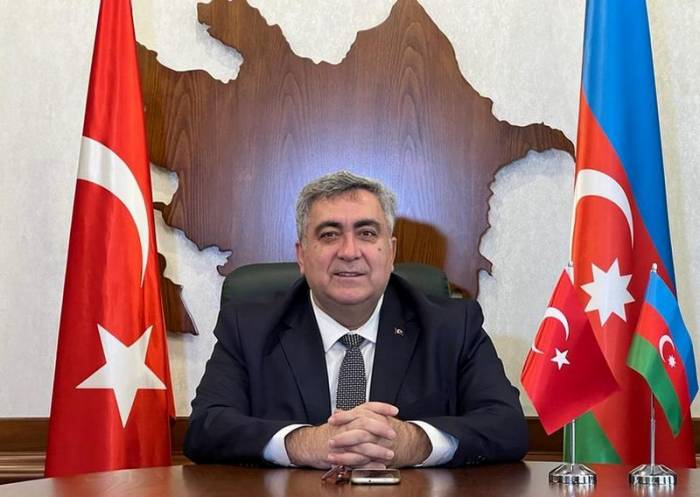
Former military attaché of the Turkish embassy in Azerbaijan, General Yücel Karauz, offered a different perspective. He advocates for the OTS to become a military organization, noting that historical precedents—such as NATO and the Warsaw Pact—show the strength of alliances backed by military power. According to Karauz, without such a foundation, political alliances struggle to maintain cohesion and solidarity.
Karauz argued that the geopolitical landscape, especially in the wake of recent unrest in Kazakhstan, underscores the need for the OTS to be prepared for emerging risks and threats. He envisions a structure modeled on NATO, with shared capabilities to address internal conflicts, terrorism, and cybersecurity issues. "Establishing a partnership center for peace, with Baku at its core, could facilitate joint coordination in areas like counter-terrorism and migration," Karauz proposed. He emphasized that such a framework would not threaten third countries' sovereignty but would serve as a proactive measure for stability within the region.
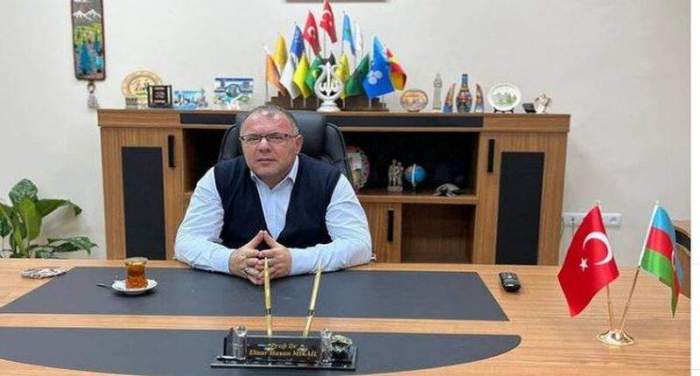
Elnur Hasan Mikail, Head of the Department of Political Science at Kars Kafkas University, reaffirmed that Turkiye has not officially declared any intention to turn the OTS into a military alliance. While recent summits have highlighted the importance of security cooperation, the organization remains focused on non-military domains such as economic and cultural collaboration. "The level of military cooperation will ultimately depend on the political decisions of the member states," said Mikail, adding that discussions around strengthening military ties align with Turkiye's strategic interests in the region.
Mikail highlighted several potential benefits of a future military alliance among Turkic states, including collective defense, border security, and joint counter-terrorism efforts. Recent joint military initiatives between Turkiye and Azerbaijan, such as weapons modernization and army reforms, indicate a trend towards closer cooperation. However, Mikail emphasized that the success of any such alliance would require deep political will and mutual trust among member nations.
The future of the OTS as a military bloc remains uncertain, shaped by a delicate balance of regional interests and strategic considerations. While figures like Engin Ozer caution against militarization due to potential regional instability, others, including General Karauz, advocate for stronger defense ties to enhance regional security. Ultimately, the path forward will depend on how OTS members navigate the complex interplay between economic cooperation, political solidarity, and defense needs in an increasingly volatile geopolitical landscape.


Similar news