Japan's new leader: What will Shigeru Ishiba’s premiership look like?


By Samir Muradov
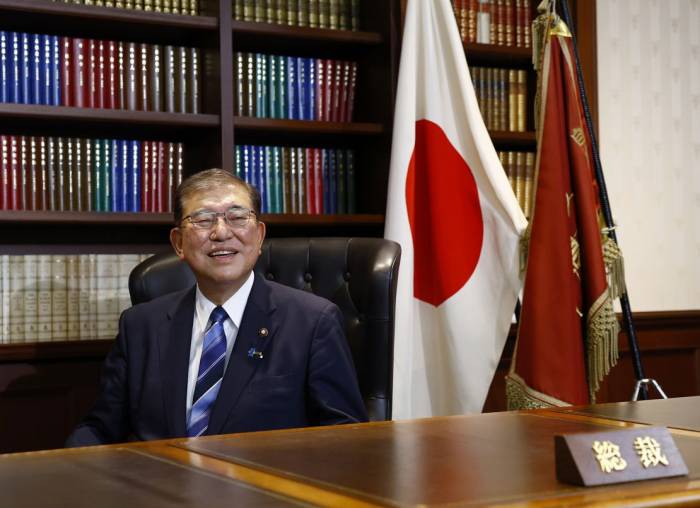
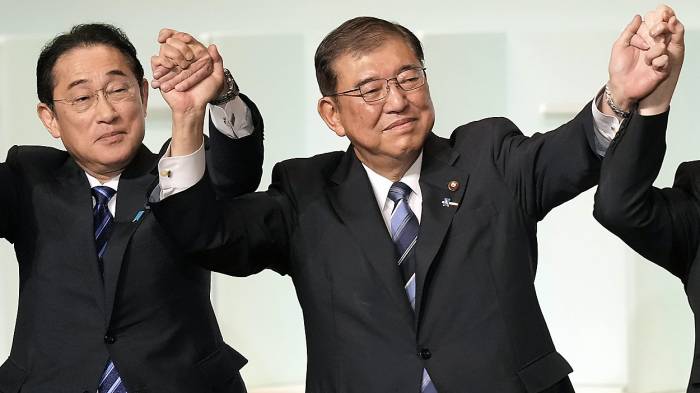
On September 27, 2024, the election for the leader of Japan's Liberal Democratic Party (LDP) took place, resulting in the victory of Shigeru Ishiba, an experienced politician and former Minister of Defense.
Shigeru Ishiba is well-known for his firm stance on national security and defense matters. Both his supporters and critics often refer to him as a "hawk" due to his unwavering views on significantly boosting Japan's defense capabilities. Ishiba has frequently stated that the current military budget should be revised upward. He believes that Japan must enhance its military potential in response to increasing regional tensions.
These ideas resonate with certain segments of Japanese society, especially amid rising threats from North Korea and the growing influence of China in the Pacific. Ishiba also supports the modernization of Japan’s Self-Defense Forces and advocates for Japan's more active participation in international military missions. His leadership is expected to continue the policies of his predecessor, aimed at expanding military cooperation with allies, primarily the United States.
For Japan, its alliance with the United States is the cornerstone of its foreign policy and security strategy. Ishiba, a strong advocate of close cooperation with Washington, seeks to elevate the U.S.-Japan alliance to a new level. In his campaign speeches, Ishiba emphasized the need to reassess the structure of military relations with the U.S., proposing a more balanced model of cooperation. One of his proposals involved joint control of military bases and the deployment of Japanese troops on U.S. soil. This initiative is aimed at improving Japan's defense capabilities and solidifying its alliance with Washington, which, according to Ishiba, would make the partnership more effective.
However, such ambitious plans may provoke mixed reactions both within Japan and among international partners. Some experts suggest that the proposal to expand Japan's military presence abroad may face resistance, both from Japanese society and U.S. political circles. Nonetheless, Ishiba is convinced that strengthening Japan's defense capabilities and deepening its engagement with Washington is key to protecting the country’s interests in the region.
One of Ishiba’s most controversial proposals during his election campaign was the creation of an Asian version of NATO . This initiative came in response to the growing geopolitical tensions in East Asia, driven by China’s rise and North Korea’s missile tests. In Ishiba’s view, Japan needs a collective security system similar to NATO, one that can protect the country and its neighbors from potential threats.
However, the proposal to create such an organization has sparked varied reactions on the international stage. According to Japanese media, the U.S. government has reacted somewhat coolly to this idea. As Japan’s key ally, the United States may view the formation of a new regional alliance as a potential challenge to the existing security system, where Washington plays a central role. Nonetheless, Ishiba sees this alliance as essential for maintaining regional stability and safeguarding Japan’s interests.
The creation of an Asian NATO is undoubtedly aimed at containing China, yet observers point out that Ishiba adheres to a pragmatic approach in relations with Beijing. Despite his tough rhetoric on the need for enhanced defense, the new Prime Minister is likely to balance diplomacy and military strength. As one of the region’s key economies, Japan has a vested interest in maintaining stable trade and diplomatic relations with China, which remains its largest trading partner.
Japan’s relationship with Russia remains one of the most challenging issues in the country’s foreign policy. Following the cancellation of the simplified visa regime for Japanese citizens visiting the Kuril Islands to tend to ancestral graves, relations between Tokyo and Moscow have significantly cooled. The new Prime Minister has yet to signal his position on this issue, creating some uncertainty.
Local media and experts express hope that Shigeru Ishiba could make progress in negotiations with Russia and restore the opportunity for Japanese citizens to visit the Kuril Islands. However, there are currently no signs that the new Prime Minister will deviate from Japan's existing anti-Russian policy, which has remained in place since the imposition of sanctions on Moscow due to the conflict in Ukraine.
Some analysts suggest that dialogue with Russia could be revived on issues unrelated to sanctions, such as humanitarian cooperation and bilateral cultural programs. However, the prospects for such initiatives remain unclear given the current geopolitical situation.
Shigeru Ishiba's premiership marks the beginning of a new chapter in Japan’s history. His firm stance on defense and foreign policy is expected to significantly impact the regional dynamics in East Asia. At the same time, his approach to relations with the U.S. and his initiatives for creating an Asian NATO could become key factors shaping the future of Japanese diplomacy.
Domestically, Ishiba will face challenges related to the need for economic modernization, stabilizing social welfare, and addressing demographic issues. These challenges will require the new Prime Minister to be flexible and capable of reaching compromises to ensure the country's prosperity.
How the new Prime Minister will perform in practice will become clear in the coming months. Japan stands on the brink of significant changes, and Ishiba will play a crucial role in determining its future course both at home and on the international stage.


Similar news