Kazakhstan–Azerbaijan relations: A strategic bridge between East and West


.png)
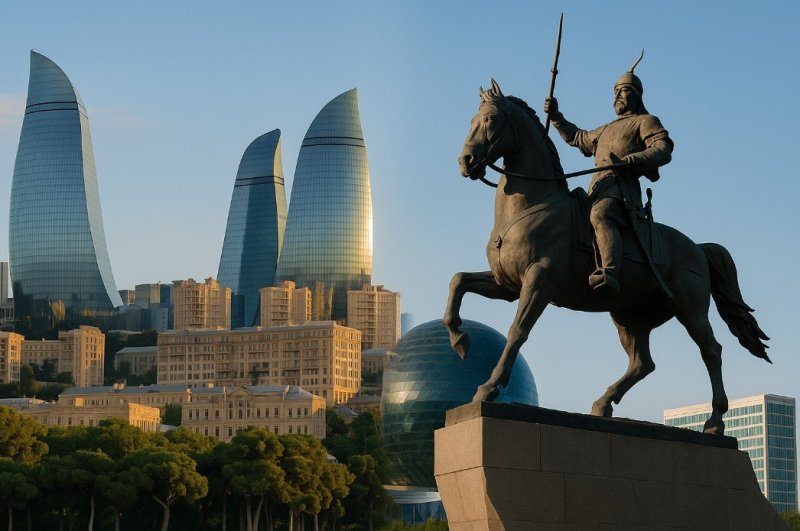
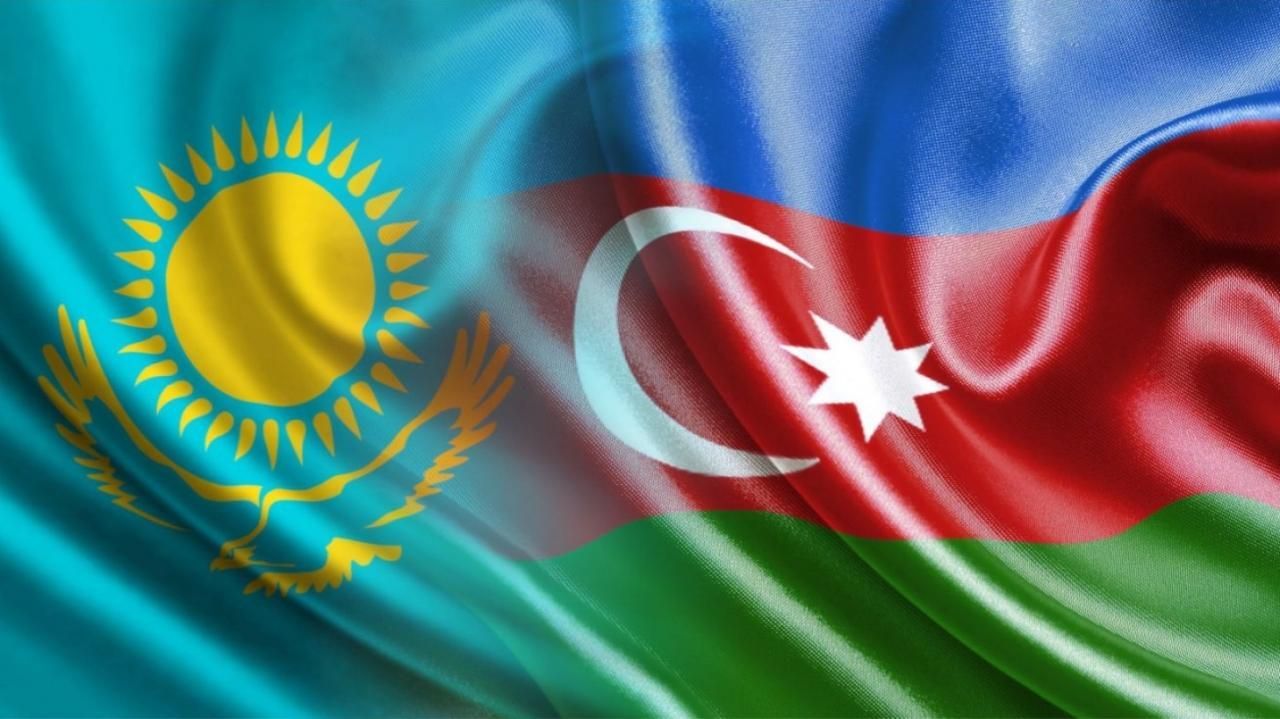
At a time of shifting geopolitical dynamics across Eurasia, relations between Kazakhstan and Azerbaijan stand out as a model of stability, pragmatism, and strategic foresight. Bound by deep historical, cultural, and linguistic ties rooted in a shared Turkic identity, the two nations have elevated their partnership to a new level of political and economic synergy.
As both countries emerge as vital transit hubs linking Europe and Asia, their cooperation within the Trans-Caspian International Transport Route, also known as the Middle Corridor, has become the backbone of regional connectivity.
This partnership is not merely symbolic but reflects a “dynamic and sustainable alliance” grounded in mutual trust and shared strategic interests. With growing trade volumes, mutual investments, and close coordination in international organizations, Kazakhstan and Azerbaijan are shaping the future architecture of Eurasian integration and strengthening the unity of the wider Turkic world.
Kazakh political observer Madi Raimov, author of the book The Turks of the South Caucasus, told News.Az that relations between Kazakhstan and Azerbaijan have reached a level of partnership that reflects not only shared historical roots but also a deep strategic alignment in politics, the economy, and regional development.
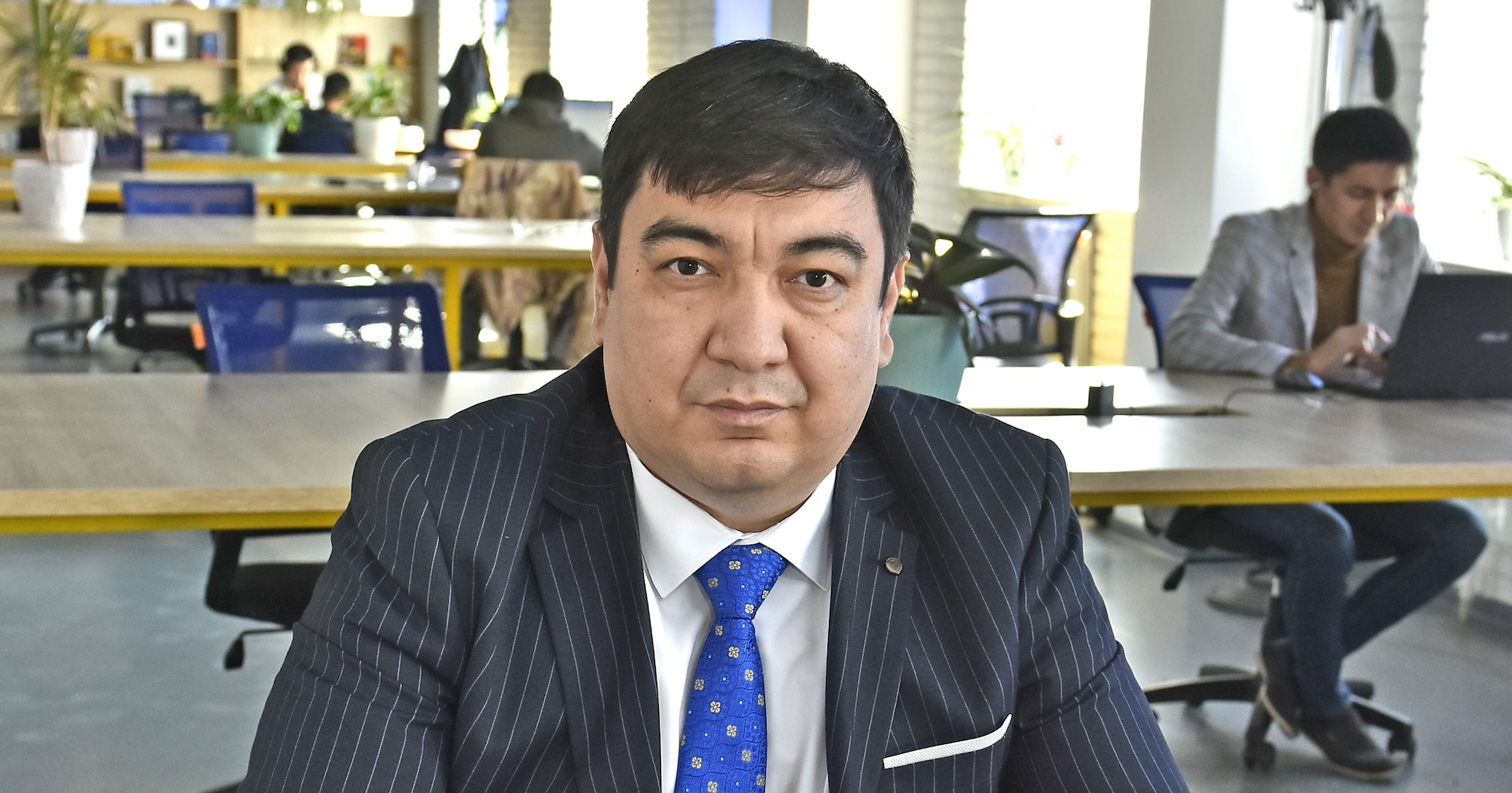
Photo: Madi Raimov, Kazakh political observer
According to Raimov, the current level of political relations between Kazakhstan and Azerbaijan can be described as “stable, partnership-based, and dynamically developing.” The foundation of this cooperation, he explains, lies in the shared Turkic identity, cultural proximity, and the coincidence of strategic interests across multiple spheres.
“First of all, we have a common root — the Turkic one. Therefore, the relationship between our brotherly countries is only at the highest level,” he said. Both states demonstrate a high degree of mutual trust and similar approaches to regional and international affairs.
He emphasized that Kazakhstan and Azerbaijan cooperate effectively within major international platforms such as the Organization of Turkic States, the Commonwealth of Independent States (CIS), and the United Nations, reflecting their shared vision for regional stability and global security.
Raimov noted that trade and economic relations between the two countries are developing steadily and consistently. He pointed out that both nations complement each other economically, as they are rich in natural resources, possess advanced transport infrastructure, and share a common goal of strengthening their position in the Eurasian market.
Source: APA
“Both Kazakhstan and Azerbaijan are transit states, and transport routes are as vital for us as air,” he remarked. “Today, more than ever, we complement each other through mutual assistance and cooperation in facilitating trade flows from other countries.”
Trade turnover between the two nations has been growing steadily — $470 million in 2024 and $547 million between January and August 2025, surpassing last year’s figures. Raimov also highlighted that Azerbaijan’s investments in Kazakhstan have reached $225 million, while Kazakh investments in Azerbaijan amount to $136 million. These figures, he said, reflect the mutual interest in building a long-term, sustainable partnership.
Beyond trade, cooperation is expanding into energy, agriculture, digitalization, and industrial development, creating a sustainable economic platform that strengthens both economies and supports regional integration. Raimov also drew attention to the rising flow of Kazakh tourists to Azerbaijan, describing it as another practical contribution to Baku’s economy.

Source: Trend
Discussing the Middle Corridor (Trans-Caspian International Transport Route), Raimov stressed its strategic importance for both Kazakhstan and Azerbaijan, calling it “not just a transport project but a path that connects our countries with global markets.”
“The Middle Corridor is a bridge between East and West,” he said. “It enables us to reduce dependence on other routes and create our own regional logistics rules.” For Kazakhstan, the route provides direct access to European markets through the Caspian Sea and Azerbaijan. For Azerbaijan, it enhances its role as a key transport hub through which Central Asian cargo flows.
According to him, the implementation of the Middle Corridor not only strengthens the economic positions of both countries but also stimulates investment growth, port infrastructure development, digital transformation of logistics, and the creation of new jobs.
“This project symbolizes our shared course toward sustainable development and regional unity,” Raimov emphasized. “Kazakhstan and Azerbaijan have proven that they can act as true strategic partners, supporting each other in building independent and mutually beneficial transport routes.”
Source: AzerTAG
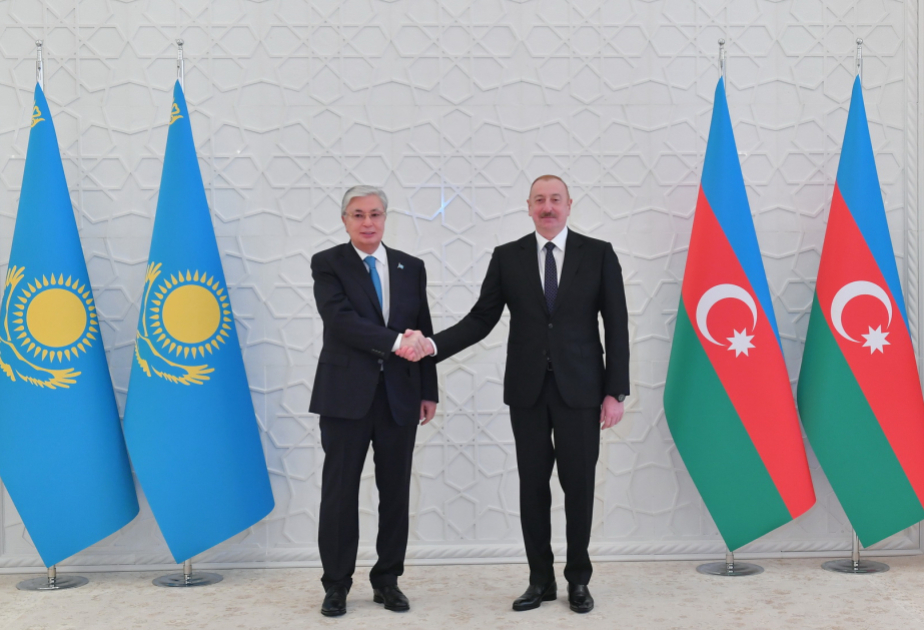
Speaking about the upcoming official visit of President Ilham Aliyev to Kazakhstan, Raimov described it as a significant milestone in bilateral relations. “We perceive this visit with special warmth. It is already his seventh visit in three years, and for us, it is not just an official visit, it is the arrival of a close brother,” he said.
Such visits, according to Raimov, underline the high level of political trust and the depth of cultural and spiritual ties between the two nations. He expects that the meeting between the Azerbaijani and Kazakh leaders will open new horizons for cooperation, particularly in transport and logistics, digitalization, and trade expansion.
“Each visit by President Ilham Aliyev confirms our brotherhood in practice,” Raimov concluded. “Kazakhstan and Azerbaijan show that brotherhood and strategic partnership can go hand in hand, creating a solid foundation for the future of the entire Turkic world.”


Similar news