Kazakhstan's arctic ambitions: tapping into Murmansk's strategic potential


Editor's note: Taisiya Marmontova holds a PhD in History and is a Kazakhstani analyst. She is the Scientific Director of the Center for Analytical Research 'Eurasian Monitoring' in Kazakhstan. The article expresses the personal opinion of the author and may not coincide with the view of News.Az.
In recent years, Kazakhstan has been actively seeking new opportunities to expand its role in international trade and logistics. One promising direction is cooperation with Russia’s Murmansk region, which offers unique transportation opportunities due to its strategic location and access to the Northern Sea Route. In the context of global economic shifts, this Arctic route is becoming increasingly attractive, promising significant reductions in time and costs for cargo transportation. However, alongside these prospects, Kazakhstan faces serious challenges related to the climatic, infrastructural, and financial aspects of implementing such large-scale projects.Kazakhstan’s interest in the logistical capabilities of the Murmansk region is no coincidence. Logistics has always been and remains a key element in the global economy, and the potential of Russia’s northern ports, such as Murmansk, attracts attention not only because of their strategic location but also due to the potential for expanding transport corridors.
The Murmansk port, one of the largest transportation hubs in the North, shows steady growth in cargo turnover. In 2023, it reached 58 million tons, making it one of the most attractive sites for international transport operations. Kazakhstan, in turn, can leverage this advantage for exporting and importing goods, especially considering the need to diversify trade routes.
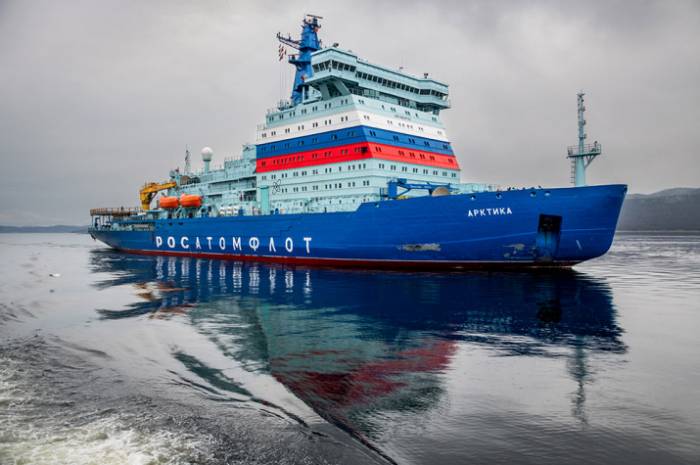
However, significant obstacles lie ahead in realizing these plans. One of them is the harsh climatic conditions of the Arctic. Winter periods, accompanied by ice cover and extremely low temperatures, pose serious challenges for navigation and require substantial investments in specialized icebreaker ships and technologies. Kazakhstan may face difficulties related to the additional costs necessary to ensure year-round access to the route.
Moreover, infrastructure limitations are equally important. The development of a new transport corridor through the Ob Bay and its integration with the Northern Sea Route require large-scale investments in port facilities , terminals, and navigation systems. In the current conditions, the region’s infrastructure may be insufficiently developed to handle a large flow of cargo, which could slow down the implementation of ambitious projects.
Financial risks also play a significant role. International cooperation in the Arctic region requires the coordination of routes and conditions with other countries, compliance with international agreements, and adherence to environmental standards. In an environment of political and economic uncertainty, potential sanctions and instability in global markets may deter investors and complicate capital attraction. Kazakhstan needs to carefully analyze all potential risks before proceeding with the project.
Environmental risks are another important aspect that cannot be ignored. The Arctic ecosystem is one of the most vulnerable on the planet. Any transportation projects in this region must consider the potential impact on the environment. Kazakhstan will need to account for strict environmental standards and develop precautionary measures to minimize negative consequences for the environment.
Technical challenges also deserve mention. Designing and constructing infrastructure in permafrost conditions requires the use of advanced technologies and unique engineering solutions, which can significantly increase the project’s timeframe and cost.
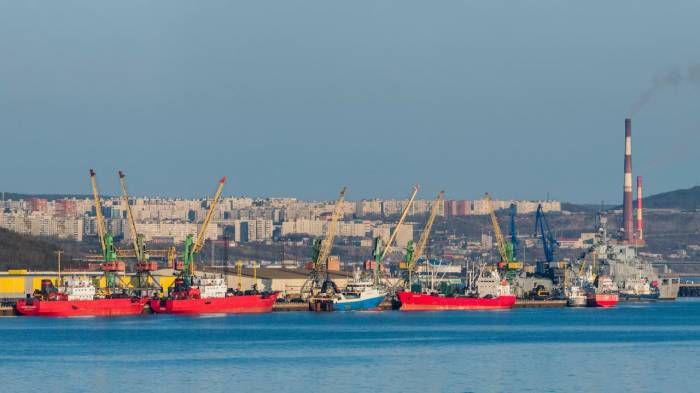
On the other hand, Murmansk’s strategic location on the Northern Sea Route opens up new opportunities. This route could significantly reduce the time needed for cargo delivery to Europe and North America, bypassing the congested traditional routes through the Suez Canal. This, in turn, would reduce logistics costs, which is particularly important for Kazakhstan as it seeks to strengthen its position in international markets.
However, Kazakhstan must consider investing in the modernization and development of the Murmansk port infrastructure, as well as in the enhancement of its own logistical capacities. Creating multifunctional logistics hubs within Kazakhstan, and developing rail and road routes capable of ensuring efficient cargo movement, could become key elements in the country’s strategy to increase cargo volumes and strengthen its influence in the region.
Ultimately, cooperation between Kazakhstan and the Murmansk region could be an important step toward creating a new transport corridor that will not only strengthen the positions of both countries on the world stage but also open new horizons for economic growth. However, the successful implementation of these plans requires careful planning, consideration of all possible risks, and coordination of efforts by all interested parties. Time will tell whether Kazakhstan can capitalize on the opportunities presented or if this project will remain just an interesting idea on paper.
(If you possess specialized knowledge and wish to contribute, please reach out to us at opinions@news.az).


Similar news