Middle Corridor: A pillar of stability and security in Central Asia and the Caucasus


.jpg)
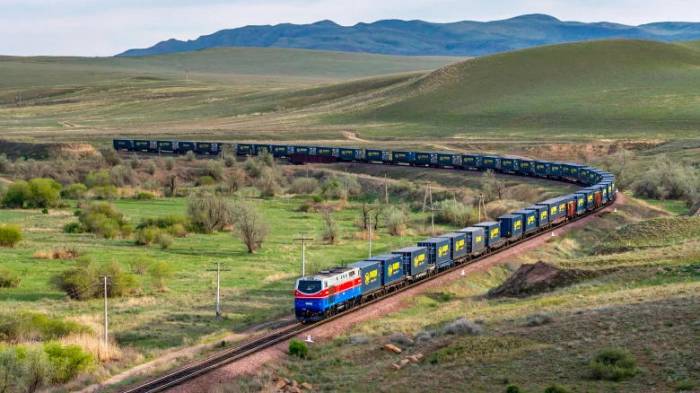
Photo: X social media platform
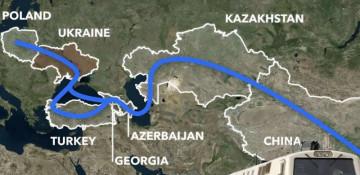
The Middle Corridor has emerged as a critical element of Kazakhstan's economic and strategic agenda. Diversifying transport routes is not just a matter of convenience but a national priority for reducing economic vulnerabilities. This focus on transport connectivity underscores Kazakhstan's commitment to mitigating economic turbulence and ensuring stability.
This initiative, connecting Central Asia and the South Caucasus , has laid the groundwork for deeper cooperation between Kazakhstan and Azerbaijan. By fostering economic interdependence, the Middle Corridor holds the potential to evolve into what scholars refer to as a "security community"—a framework where mutual trust and shared interests reduce the likelihood of conflict.Recent joint military exercises, such as the "Birlig" drills involving Azerbaijan and Central Asian countries , exemplify this growing cooperation. "Birlig," symbolizing unity in Turkic languages, reflects the collective strength and shared aspirations of the region. Such initiatives are not mere symbolic gestures but critical steps toward establishing mechanisms to protect shared interests and ensuring regional security.
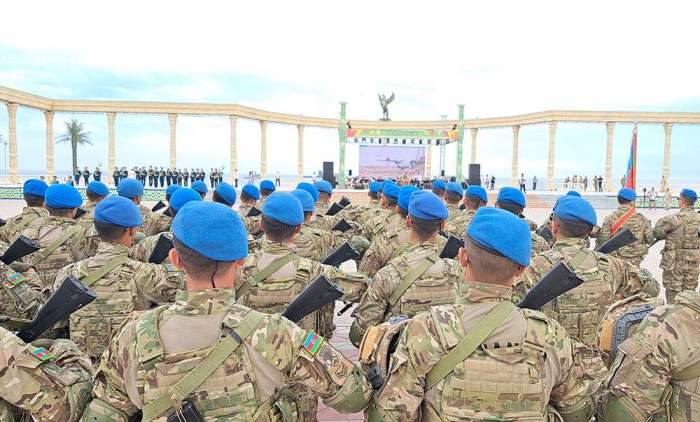
Opening ceremony of “Birlestik-2024” exercise in Aktau, Kazakhstan, on July 12, 2024. Photo: The Defense Ministry of Azerbaijan
The Middle Corridor is poised to reshape the geopolitical dynamics of Central Asia and the South Caucasus. It offers countries like Kazakhstan the opportunity to diversify their engagements beyond traditional dependencies, aligning with transformative projects such as China’s Belt and Road Initiative.
This shift represents a significant departure from unilateral reliance, marking the region's transition to self-reliance and proactive regional cooperation. By fostering a balanced approach to global partnerships, Central Asia is asserting itself as an active player on the international stage. The Middle Corridor is not merely a transportation route; it is a declaration of the region's determination to shape its own identity and relationships in an increasingly interconnected world.
The security challenges facing Central Asia and the Caucasus are multifaceted, ranging from asymmetric warfare and cyber threats to conventional military risks. These threats demand a collective response, rooted in a shared understanding of regional roles and interests.
The cornerstone of an effective strategy lies in regional cooperation. A unified security framework enables countries in the region to address these challenges collaboratively, strengthening resilience and presenting a cohesive front in global affairs. This proactive approach transforms Central Asia and the Caucasus from reactive participants to influential agents in shaping their security landscape.
Geopolitical tensions in the Middle East highlight the often selective and biased narratives propagated by international media and organizations. For Central Asia, these tensions underscore the importance of constructing independent strategies and narratives.
The anarchic nature of international relations, where actions are dictated by national interests rather than universal principles, serves as a cautionary tale. To safeguard regional stability, Central Asia must prioritize self-reliance and strengthen internal cooperation. By doing so, the region can shield itself from external biases and the ripple effects of geopolitical conflicts.
The prospects for security cooperation in Central Asia are promising, driven by mutual understanding and reduced external pressures. The partnership between Kazakhstan and Uzbekistan serves as a model for fostering institutional and regional collaboration. Their leadership has set the tone for enhanced relations, paving the way for unified security strategies.
Azerbaijan's alignment with Central Asia further underscores the growing interconnectedness of the Turkic world. Azerbaijani President Ilham Aliyev’s recent remarks about Central Asia being "our home" and Baku’s priority to strengthen ties with the region resonate deeply, reinforcing the foundation for enduring security and economic partnerships.
Kazakhstan’s long-term strategy for national security requires a robust framework to navigate the complexities of the global order. Recognizing the influence of global think tanks and media in shaping narratives is a critical first step. Often, these narratives are tinged with external biases, as evidenced by misleading claims regarding the Karabakh conflict propagated by institutions such as the Carnegie Moscow Center.
To counteract such influences, Central Asia and the South Caucasus must take control of their narratives. Establishing regional think tanks, media platforms, and academic collaborations is essential for presenting an accurate and balanced perspective. By fostering intellectual and strategic independence, Kazakhstan and its neighbors can ensure their voices are heard and their interests safeguarded in the global arena.
The Middle Corridor is more than an economic lifeline; it is a testament to the resilience and determination of Central Asia and the South Caucasus to forge their own paths in an evolving world. Through unity, self-reliance, and strategic foresight, the region can secure its future amidst the uncertainties of the global order.
(If you possess specialized knowledge and wish to contribute, please reach out to us at opinions@news.az).


Similar news