How will the US-Iran ceasefire end?



Editor’s note: Moses Becker is a special political commentator for News.Az. He holds a PhD in political science and specialises in inter-ethnic and inter-religious relations. The views expressed in this article are those of the author and do not necessarily reflect the position of News.Az.
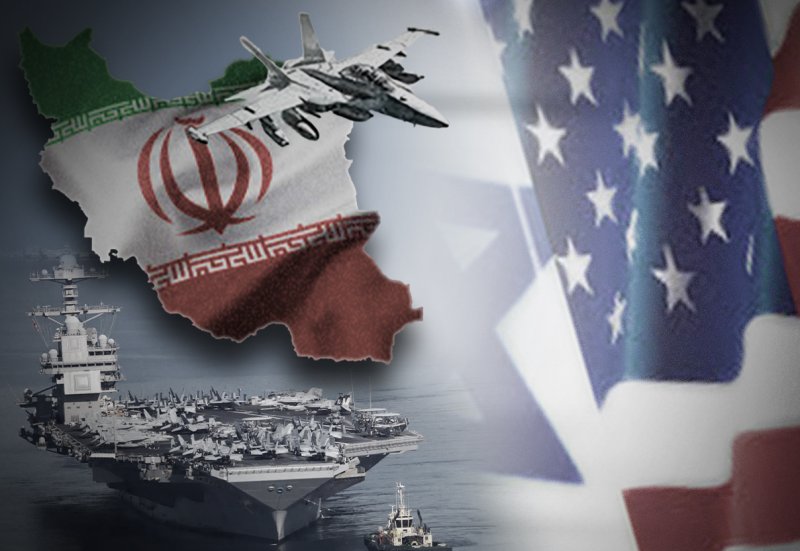
On 10 April 2026, the ceasefire agreement between the United States and Iran came into force. Since then, a gruelling phase of negotiations aimed at finding a compromise has begun, with both sides continuing to put forward conditions unacceptable to the other.
The Islamic Republic cannot abandon its core principles, which include its nuclear and missile programmes, as well as support for its regional proxies. However, given the economic blockade and the declining living standards of a population increasingly struggling to make ends meet, Iran is unlikely to be able to provide substantial support to the weakening Hezbollah movement or the Houthis. Nevertheless, the ruling elite remains firmly committed to its position.
According to available information, Iran will resume negotiations with the United States only if five conditions are met. According to Fars News Agency, these include a ceasefire on all fronts, including in Lebanon, the lifting of sanctions, and the unfreezing of Iranian assets. Tehran also insists on recognition of its sovereignty over the Strait of Hormuz and is demanding compensation for damage caused during the hostilities. In other words, the position of the Islamic leadership remains unchanged.
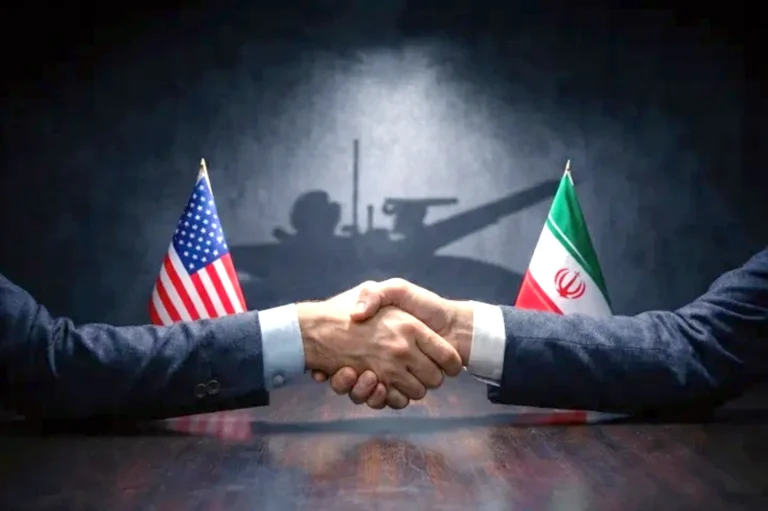
It is known that, following the announcement of the truce, Washington and Tehran held the first round of negotiations in Pakistan. However, the process of resolving the conflict later reached a deadlock. Foreign media outlets report that the White House is now preparing for the possible resumption of strikes against the Islamic Republic.
Source: voiceofemirates
According to Fars, Tehran still does not trust Washington. The naval blockade of Iranian ports has only deepened the scepticism of the Islamic Republic’s leadership. The five conditions are viewed as the minimum the United States must meet simply for Tehran to return to the negotiating table.
The source noted that the list of Iranian demands was formulated solely to establish a minimum level of trust and restart the negotiation process.
Only after these conditions are fulfilled is Iran prepared to discuss its 14-point plan to end the war. The document reportedly envisages resolving all key issues within a month. In addition, Tehran intends to preserve its right to enrich uranium.
According to The Wall Street Journal, Iran refused to dismantle its nuclear facilities and instead proposed a moratorium on uranium enrichment for a shorter period than Washington had demanded. At the same time, the Iranian authorities agreed to transfer enriched uranium to a third country, but demanded guarantees that it would be returned if negotiations collapsed.
The Islamic Republic considers the American proposals meaningless. “They are trying to achieve through negotiations the goals they failed to accomplish through war,” one of the sources quoted by Fars said.
Source: TASS
Donald Trump reportedly did not even finish reading the Iranian peace plan. “It is just a pile of garbage,” the American president told journalists. The United States, he said, would sign a peace agreement with Iran only if it could be considered a good deal.
Speaking to journalists before departing for China, Trump stated: “We will only make a good deal.”
The White House chief stressed that either the Islamic Republic would agree to compromise arrangements with Washington or the United States would “finish what it started” in Iran.
“Either we make a deal, or they will be destroyed. One way or another, we win,” Trump said.
Washington has made clear that any long term agreement must address Iran’s nuclear programme, its missile capabilities, and its role in regional maritime routes. Tehran, meanwhile, insists that sanctions must first be lifted and its maritime rights recognised.
Trump also rejected suggestions within the United States that Pakistan should be replaced by another mediator in talks with Iran. According to him, the Pakistani authorities are “doing a wonderful job”.
In response, Tehran stated that Trump’s reaction “has no significance” for the republic’s negotiating team. Members of the Iranian parliament described Iran’s proposals as having no alternative.
At times, it creates the impression that it is not the Islamic Republic — isolated by a blockade and lacking a functioning navy, air force, or air defence systems — but rather the United States that is under pressure. Against this backdrop, Washington’s reaction becomes easier to understand.
On 12 May, Axios reported that Trump would soon discuss the possible resumption of military operations with members of the National Security Council. This reportedly includes strikes against targets that had previously remained untouched.
In addition, the United States may resume military escort operations for vessels in the Strait of Hormuz as part of the “Freedom” project. Sources cited by the portal said that if Trump gives the order to resume hostilities, it will happen only after his return from China.
The visit to Beijing will last until 15 May. Given the close relationship between Beijing and Tehran, Trump is also expected to discuss the Iranian issue with the Chinese leader. However, it remains highly doubtful that China will be able to persuade Iran to change its position.
In the event of a collapse in the peace talks, the Pentagon may also rename the joint Israeli-American operation, according to NBC sources. Instead of Epic Fury, the military has proposed the name Sledgehammer.
All of this indicates that Washington is seriously considering the option of resuming strikes. Indirect signs point in the same direction. The Israeli Air Force has reportedly been placed on heightened alert, hotels in the port city of Eilat are said to be full of American military personnel, and US transport aircraft continue delivering large quantities of ammunition without interruption.
In addition, an Ohio class submarine has reportedly moved into the Mediterranean region.
Analysts interviewed by The New York Times argue that perhaps the only factor restraining the American leadership is Iran’s missile capabilities. Earlier, intelligence sources cited by the newspaper reported that the Islamic Republic had restored access to 30 bases near the Strait of Hormuz. This, the publication noted, clearly contradicts Trump’s statements about the total destruction of the Iranian military. However, that remains an assessment rather than a confirmed fact.
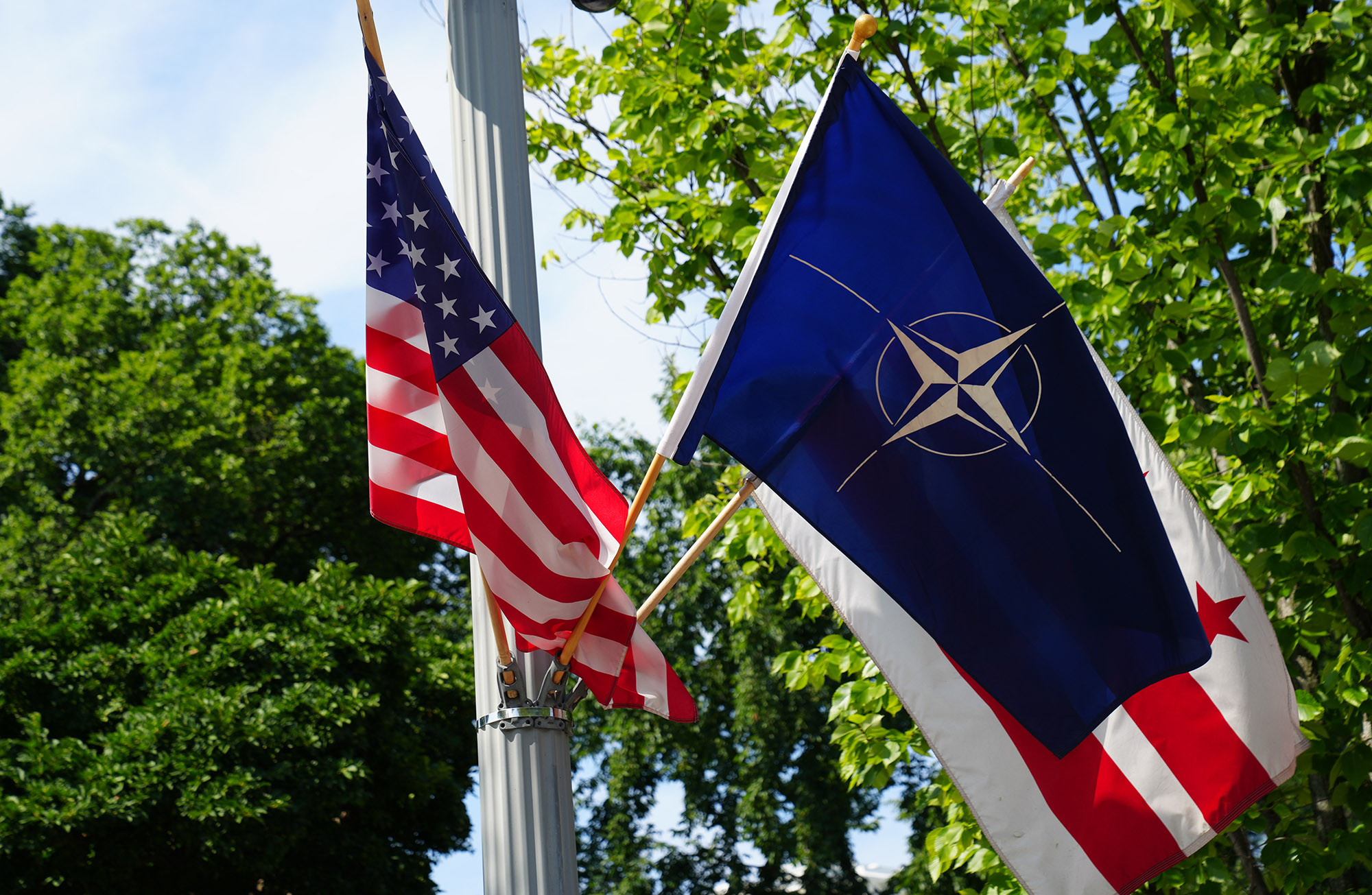
At the same time as the American Israeli preparations, US allies within NATO are also becoming involved.
Source:atlanticcouncil
The United Kingdom is prepared to join the planned international military mission in the Strait of Hormuz. According to the British Ministry of Defence, the mission would include the deployment of unmanned mine sweeping vessels, Eurofighter Typhoon fighter jets, and the destroyer HMS Dragon.
The previous day, London and Paris held the first meeting of defence ministers from more than 40 countries to coordinate aspects of the mission in the Strait of Hormuz.
The British Ministry of Defence emphasised that “the plan is exclusively defensive in nature” and is aimed at “restoring confidence in commercial shipping along this vital trade route”.
The ministry also stated that unmanned systems capable of clearing mines from the waters would be launched from the vessel RFA Lyme Bay if necessary.
(If you possess specialized knowledge and wish to contribute, please reach out to us at opinions@news.az).


Similar news