Moscow declares readiness for prolonged standoff with the U.S.


By Samir Muradov
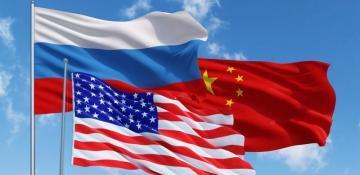
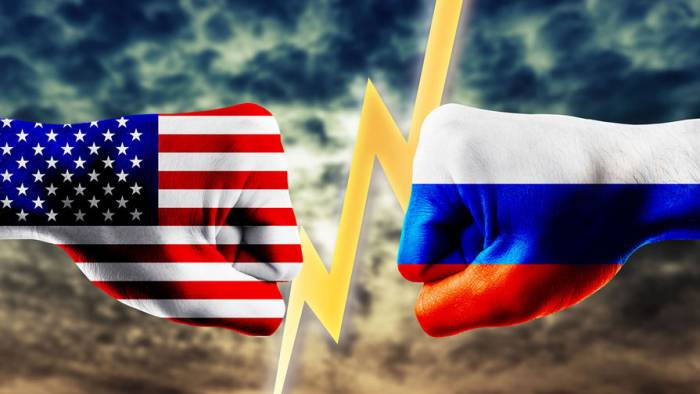
Diplomatic statements, especially when related to geopolitical confrontations, often carry far more weight than mere words. The recent remark by Russian Deputy Foreign Minister Sergey Ryabkov regarding the country’s readiness for a prolonged confrontation with the United States underscores the fact that tensions between the two global powers continue to escalate. “We must prepare for a long-term standoff with this country. We are ready for it in every sense,” he emphasized.
Given the bipartisan consensus in the U.S. to pursue an anti-Russian course, Moscow should not harbor any illusions, Ryabkov added. According to him, Russia is sending warnings to the U.S. so that Washington does not take Russia’s readiness for confrontation lightly.But what do these words truly mean? Is this a call for dialogue, or yet another warning that conceals more serious intentions? Let’s explore the underlying processes driving this standoff and the potential consequences it may have for global stability.
The relationship between Russia and the United States has traditionally swung between periods of confrontation and détente, from the Cold War to modern global crises. We are currently witnessing another round of tension, marked by both sides' firm stances. Notably, in the current U.S. political climate, there has emerged a rare bipartisan consensus on foreign policy. Democrats and Republicans, despite their internal differences, are united in their hardline approach toward Moscow, making any short-term course correction highly unlikely.
Ryabkov’s statement is closely tied to several key international developments:
The Ukrainian crisis: The ongoing conflict in Ukraine remains a central element of this confrontation. The U.S. is actively supporting Ukraine with weapons and economic aid, while Russia views this as direct interference in its sphere of influence.
Sanctions policy: The sanctions imposed on Russia since the beginning of the conflict have become a powerful lever of pressure. Moscow has repeatedly claimed that such measures only strengthen its internal economy, but in reality, the sanctions have caused significant economic damage. Readiness for a long-term confrontation implies Russia is bracing for the prolonged continuation of these sanctions.
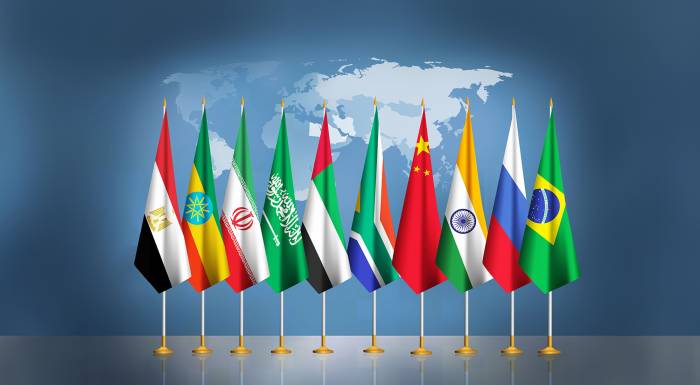
Global alliances: Russia is actively seeking new strategic partnerships as its relations with the West cool. Strengthening ties with China, Iran, and other BRICS countries signals Moscow’s intent to build an alternative system of global influence. This opposition to Western countries, including the U.S., has become a cornerstone of Russian foreign policy.
An intriguing aspect of Ryabkov’s statement is his reference to warnings sent to the U.S. What are these warnings, and how should they be interpreted? Perhaps it is rhetoric aimed at demonstrating strength and readiness to defend its interests, including by military means. However, in this context, it could also be a signal that Moscow remains open to negotiations despite the increasing tensions.
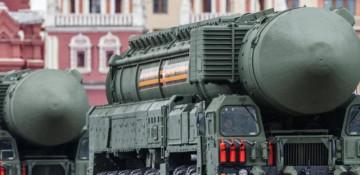
These warnings could also refer to Russia’s nuclear capabilities, which are often mentioned in public discourse as a deterrent to more radical moves by the West. In this context, Russia seeks to convey that any drastic actions taken against it would have catastrophic consequences.
A prolonged standoff between two of the world’s leading powers carries significant implications for global security. During the Cold War, there were more or less clear rules of engagement and deterrence mechanisms, many of which have since eroded. Escalating tensions now could lead to unpredictable outcomes in various regions. It’s important to note that any local conflict could serve as a flashpoint between Russia and the U.S., as has already occurred in Syria, Ukraine, and elsewhere.
Ryabkov’s statement about being ready for a long-term confrontation suggests that Russian diplomacy is not expecting quick resolutions or shifts in the coming years. This means Russia will continue to look for ways to circumvent sanctions, develop its internal economy, and strengthen ties with alternative international partners.
However, a prolonged confrontation presents new challenges. Economic isolation could exacerbate Russia’s domestic problems, while the U.S., despite its foreign policy consensus, will face its own challenges, particularly in the lead-up to the presidential elections.
Sergey Ryabkov’s statement is another signal that the current crisis in U.S.-Russia relations is far from being resolved. Yet the key question remains: is this rhetoric a prelude to real escalation, or part of a diplomatic game aimed at stabilizing the situation in the future? Either way, the world must brace for the prolongation of this standoff and its impact on global affairs.


Similar news