Why BRICS is becoming an alternative to the West?


By Tural Heybatov
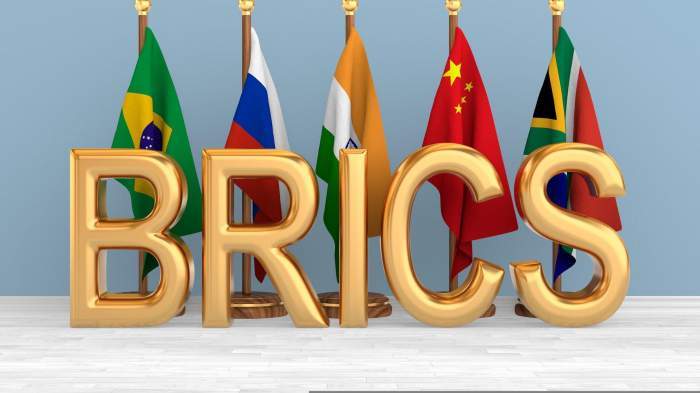
The BRICS countries represent a powerful force in the global economy, and their influence continues to grow through strategic development and expansion. Based on the presented data, several key aspects can be highlighted that define BRICS' impact on the global economy and its fight against global inequality.Fighting global inequality: BRICS’ contribution
BRICS actively contributes to reducing economic inequality, primarily through investments in developing countries and creating jobs for socially vulnerable groups. A key example is BRICS' investment in Africa: $6 billion in 2012, compared to $3.7 billion from the U.S. Such actions demonstrate that the group is leveraging economic growth to support poorer regions, stimulating industrialization and the growth of production. This approach aims to create jobs for the underprivileged, while also providing opportunities for the elites of these countries to increase their capital. However, this also has a downside: the strengthening of elites, which can sometimes exacerbate internal inequality.
Financial system reform and new institutions
Particularly noteworthy is the creation of the BRICS New Development Bank and the Asian Infrastructure Investment Bank . These institutions offer alternatives to Western-centric international financial organizations, such as the IMF and the World Bank. These institutions are designed to support the Global South, where traditional financial players have been less effective. The result has been the creation of a system in which developing economies have more opportunities to obtain financial assistance on favorable terms. This can help balance the global economic architecture and reduce the dependency of developing countries on Western creditors.
The Global South: New horizons for international trade
The increase in trade between Global South countries is another significant outcome of BRICS' activities. Traditional trade chains focused on the West are gradually being replaced by mutually beneficial agreements between BRICS countries and their partners in the developing world. This fosters more resilient economic ties and reduces dependence on Western markets, which is especially important amid rising economic and geopolitical tensions between the West and the East.
BRICS expansion: New players, new resources
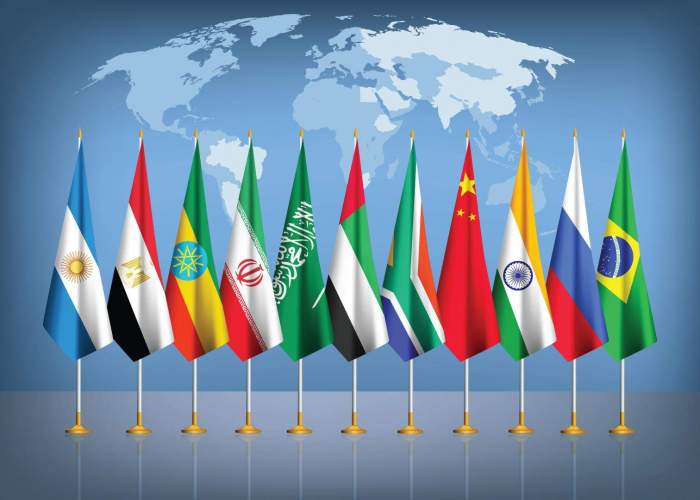
The inclusion of new countries like Argentina, Egypt, Iran, the UAE, Saudi Arabia, and Ethiopia in BRICS indicates that the group continues to expand its influence. The economic role of the bloc is growing significantly, with BRICS countries now accounting for nearly a third of the world's GDP. These new members possess strategically important resources—ranging from oil to rare earth metals—making them valuable partners for other BRICS countries as well as the global economy.
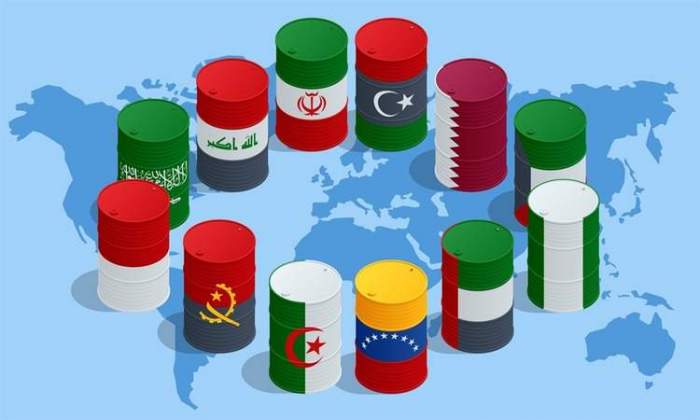
The geopolitical component is particularly interesting: new members are involved in other major regional groups such as OPEC, MERCOSUR, and the African Continental Free Trade Area. This provides BRICS with additional leverage over global markets and politics, opening new horizons for cooperation and trade.
The future of BRICS and its role in the global economy
In the future, further expansion of BRICS and the strengthening of its role in the global economy are expected. The bloc already acts as a buffer between the West and East, helping to mitigate tensions between major geopolitical groups. BRICS' growing economic and political power opens up opportunities for establishing a new world order, where Global South countries play a central role rather than remaining on the periphery.
Thus, BRICS not only actively participates in reducing global inequality but is also gradually transforming into a key player on the global stage, shaping a new system of global economic and political relations.
Azerbaijan and Turkey: New applications and BRICS' expanding geopolitical influence
With recent statements from Azerbaijan and Turkey expressing their desire to join BRICS, it is clear that the group continues to grow in significance and attractiveness on the global stage. Azerbaijan's official application , submitted on August 20, 2023, and Turkey's confirmation of interest on September 3, show that BRICS is becoming a center of attraction not only for developing economies but also for countries with more mature markets and strategic geographic positions.
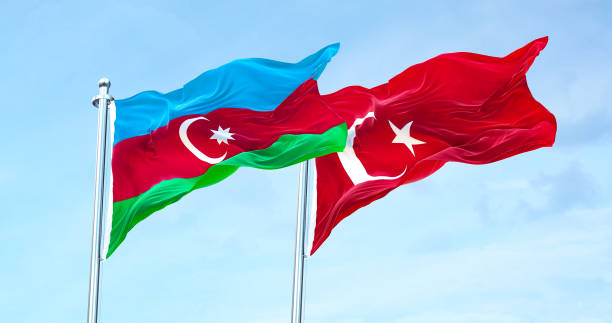
Azerbaijan, with its significant oil and gas reserves, already plays a crucial role in the energy security of Europe and Asia. Its accession to BRICS could strengthen the group’s economic and energy capabilities, while providing new channels for hydrocarbon exports. Additionally, Azerbaijan's participation in BRICS would bolster the bloc's position in the South Caucasus, granting access to strategically important transport routes, such as the "Southern Gas Corridor."
Turkey, one of the largest economies in the Middle East, has significant geopolitical and economic assets. Turkey’s entry into BRICS could strengthen the bloc’s presence in Eurasia and the Mediterranean. Moreover, Turkey is a vital energy and logistics hub connecting East and West, offering BRICS additional strategic advantages in international trade and politics.
The queue for BRICS membership: Expansion as a new trend
The interest of countries like Azerbaijan and Turkey in joining BRICS reflects a global trend: many states, tired of Western-dominated economic structures, are seeking alternatives for economic cooperation and political support. BRICS provides such a platform, where the economic and political interests of the Global South can be expressed and protected.
Given the growing number of countries seeking membership, it is expected that BRICS will not only become an economic bloc but also an important political platform that will influence global decisions on a wide range of issues—from energy to security.
These new applications confirm that BRICS is likely to significantly expand its influence in both economic and political spheres in the coming years. Countries seeking membership in the bloc see it as an alternative path to growth and global recognition, reinforcing the trend towards the formation of a multipolar world order.


Similar news