Relations between Georgia and the United Kingdom deteriorate amid closer ties with Russia – VIEWS OF GEORGIAN EXPERTS


.png)
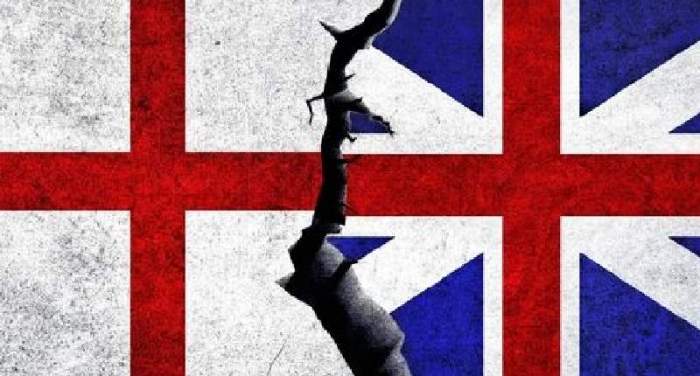
On October 15, the UK Ambassador to Tbilisi, Gareth Ward, announced that the United Kingdom has decided to freeze the Wardrop Dialogue with Georgia at the ministerial level and cancel planned defense staff talks between the two countries.
News.Az reached out to Georgian political experts to gain insights into the UK’s decision and assess the possible steps Georgia might take in response.
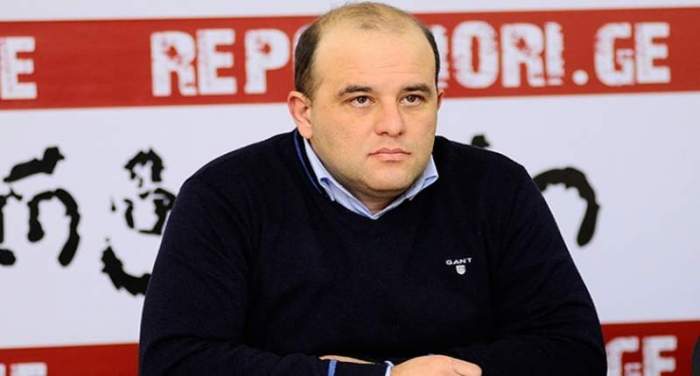
In an exclusive interview with News.Az , Georgian political scientist Vakhtang Maisai noted that the ruling elite of Georgia, currently steering away from the North Atlantic and European course, has led to the disruption of the Wardrop Dialogue . He attributed this shift to the Georgian Dream's growing alignment with pro-Russian policies, which he believes is the primary reason for the freeze.
“The Wardrop Dialogue has held significance for Georgia since 1999, a period when the country was on the cusp of becoming part of NATO and the European Union. As for whether we might reverse this course, it's difficult to predict. If the ruling party, along with its political ally, the People's Power movement, wins the elections, there will be no return to the Euro-Atlantic path or any meaningful push towards European integration.
Most likely, Georgia will adopt a foreign policy stance similar to that of Azerbaijan, embracing non-alignment. As for the suspension of defense missions and related talks, this will have little to no impact, given that the UK had already scaled back its military cooperation during the authoritarian regime of Mikheil Saakashvili. At that time, London was highly critical of Saakashvili’s authoritarian tendencies,” Maisai explained.
He further recalled, “Saakashvili even dismissed a British military advisor from the Ministry of Defense, which led to the termination of several collaborative defense projects. The UK had placed significant emphasis on military cooperation with Georgia, but the focus later shifted. In contrast, countries like the United States, France, and Poland have played more active roles in strengthening Georgia’s defense capabilities. It remains to be seen how these countries will react, but they may soon align with the UK’s stance.”
Maisai added, “Regarding economic relations, we had no substantial economic projects or trade ties with the UK, unlike Azerbaijan or Kazakhstan. There have been some British investments, mainly in the transportation of oil and gas, but I don't expect any major new economic initiatives. The UK is not even among Georgia’s top ten trading partners .”
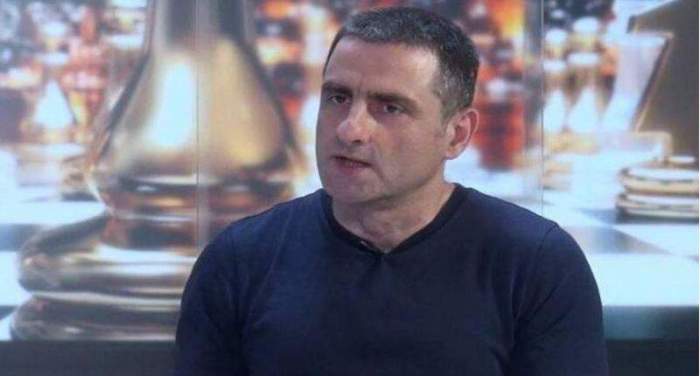
In a separate interview with News.Az, Georgian political analyst Tengiz Ablotia shared his perspective, highlighting Britain’s discontent with Georgia’s current political trajectory. “The UK is unhappy for the same reasons as many others, including the majority of the Georgian population. There is growing frustration with the regime's increasing authoritarianism, Bidzina Ivanishvili’s apparent desire to entrench his power, the rollback of democratic norms, and efforts to suppress opposition and the NGO sector. The issue isn’t just Georgia’s tilt towards Russia but how it reflects a broader attempt to dismantle democracy.”
Ablotia noted that Ivanishvili's ties with Russia were previously tolerated, but now they are seen as part of an anti-democratic trend. “Whether Georgia can return to a European path of development depends on the elections. If the opposition wins, the shift could happen quickly. However, if the government wins—especially through questionable means—it will be far more difficult. A return to friendly, though somewhat distanced, relations with the West might be possible if the government abandons its anti-Western rhetoric and stops tightening control, but a complete restoration of relations will remain unlikely.”
On the topic of defense, Ablotia expressed skepticism about Georgia’s military capacity : “The truth is, Georgia has no real defense capability to speak of. The army and intelligence services have been either demoralized by years of propaganda or transformed into tools for securing electoral support.”
Regarding economic consequences, he suggested that worsening relations with the West are likely to have a broader impact, not just limited to ties with the UK. “It is hard to say whether sanctions will be imposed, and if so, in what form. If the sanctions target individuals within the Georgian Dream leadership, they will likely have little effect, as those leaders are already prepared. However, if the government manipulates the election results, crushes protests, and stays in power, broader sanctions could follow—similar to those imposed on Iran or Russia. In that case, Georgia risks economic collapse , regressing to the conditions it faced in 2002.”


Similar news