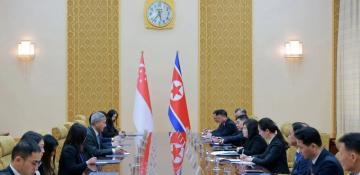
Russia’s new ally in Ukraine – Will North Korea help change the course of the war?


By Samir Muradov
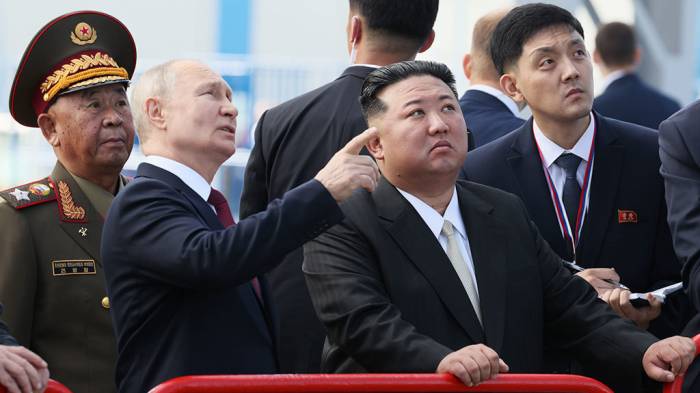
Amid escalating geopolitical tensions surrounding the conflict in Ukraine, reports that North Korea has sent troops to support Russia raise serious questions about Moscow's political and military alliances. Intercepted telephone conversations by Ukrainian intelligence between Russian soldiers and North Korean units in the Kursk region reveal disorganization and a lack of mutual understanding among allies. This alliance, paradoxically, highlights Russia's desperate situation more than it provides any real strategic advantage in the war.
North Korea's limited military capability in the Ukrainian conflict
In terms of effectiveness, North Korea’s assistance to Russia is unlikely to tip the balance of power in Moscow's favor. The North Korean army, known for its large size and strict discipline, is poorly prepared for conflicts outside the Korean Peninsula. North Korea's equipment and military technology are outdated, and its troops lack experience, which sharply limits their potential on the front lines of a modern war where advanced technology and logistics play crucial roles. Oliver Jia, an expert on North Korea and Japan, notes that despite North Korea’s historical involvement in foreign conflicts (Vietnam War, Middle East, and Africa), this deployment is unlikely to have a decisive impact on the course of hostilities.
Symbolic support and Pyongyang’s economic motives
For North Korea, involvement in the Russian-Ukrainian conflict is primarily a way to demonstrate loyalty to an ally who might help reduce its economic isolation. For Pyongyang, weakened by the COVID-19 pandemic and international sanctions, supporting Russia is an opportunity to strengthen its position, albeit symbolically. The Kim Jong Un regime likely hopes to receive assistance in return in the form of food, energy resources, or even new military technologies, which could threaten stability on the Korean Peninsula and the security of Japan and South Korea.
Coordination challenges: Translation and discipline issues
Intercepted conversations among Russian soldiers indicate that coordination problems between Russian and North Korean troops go well beyond language barriers. One Russian soldier mentions a shortage of translators, forcing troops to take on translation duties themselves, which reduces combat effectiveness. The lack of a structured command hierarchy and internal conflicts underscore the disorganization and vulnerability of this temporary alliance. In these conditions, the potential of North Korean soldiers is unlikely to be fully realized, and frustration among Russian troops will likely further complicate the front-line situation.
Diplomatic consequences for North Korea
Pyongyang risks further deteriorating its relations with European countries as well as with South Korea and Japan , endangering its economic situation in the long run. On the other hand, the prospect of acquiring Russian military technology may seem tempting to North Korea, despite the risks. Leif-Eric Easley, a professor at Ewha University in Seoul, emphasizes that Pyongyang will have to sacrifice diplomatic ties with Europe and even risk further escalation on the Korean Peninsula for potential military gains.
Increased threat to Northeast Asia
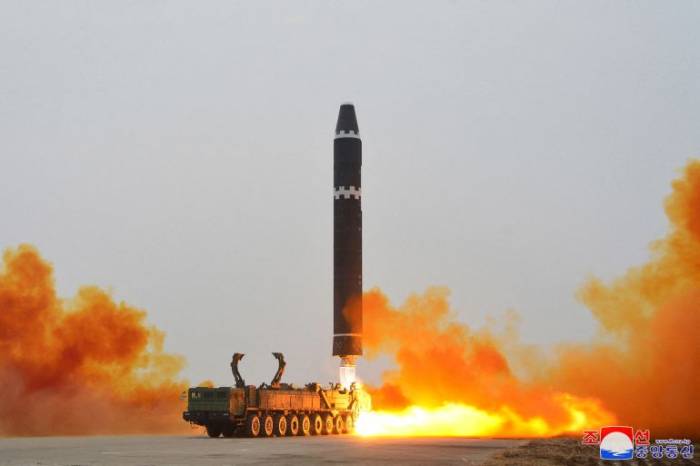
Pyongyang is using its participation in the Russian-Ukrainian conflict as a way to prepare its elite troops for potential future actions against South Korea and Japan. North Korea's recent launch of an intercontinental ballistic missile , which fell into the Sea of Japan, serves as a reminder of Pyongyang's ambitions. Japan and South Korea continue to view North Korea’s involvement in the Ukrainian conflict as a means to gain combat experience and technology, which could significantly heighten the threat to their own security.
Impact on China and regional ambitions
While Taiwan expresses concerns that North Korea's potential strengthening on the Russian-Ukrainian front could divert attention from the possible Chinese threat to the island, analysts largely doubt this. The interaction between Russia and North Korea seems more of a pragmatic move by countries in international isolation than a long-term strategy. Nonetheless, further convergence between these states could pose a threat to regional stability in Asia.
In the end, North Korea’s involvement on Russia's side can be seen as an act of desperation on Moscow’s part and an attempt by Pyongyang to strengthen its position on the international stage. However, such assistance is unlikely to significantly alter the balance of power in the conflict, and difficulties with integration, along with the risks associated with North Korea’s outdated military equipment, may even exacerbate the situation for the Russian army.


Similar news