Serbia faces a turning point: Early elections to decide the country’s future


.png)
Editor’s note: Faig Mahmudov is a journalist based in Azerbaijan. The views expressed are the author’s own and do not necessarily reflect those of News.Az.
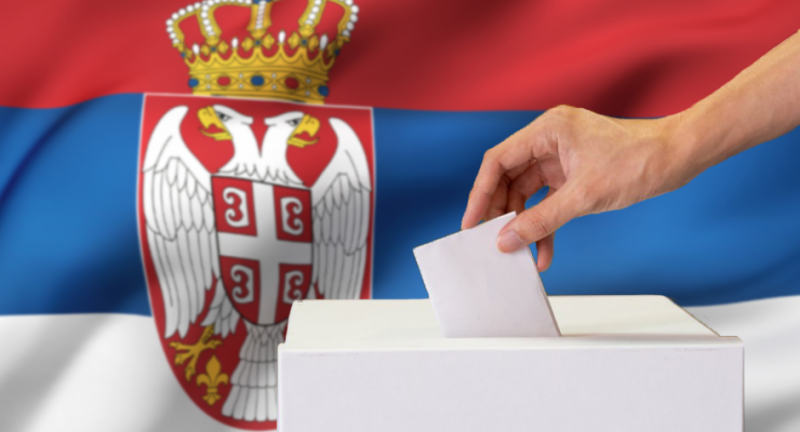
Serbia is heading toward early parliamentary elections after President Aleksandar Vučić moved to dissolve parliament ahead of schedule. The decision comes amid mounting public anger over corruption allegations, mass protests, and a series of infrastructure failures, marking the start of a new political chapter for the country.
Although the official date has not yet been announced, observers expect the elections to take place either in December 2026 or early 2027.
In recent months, anti-government demonstrations have spread across the country. The protests first gained strength after a tragic accident in Novi Sad, where a building collapsed, killing dozens and injuring many more. The incident caused widespread outrage, as investigations revealed corruption in the tender process, the use of low-quality materials, and weak state oversight.
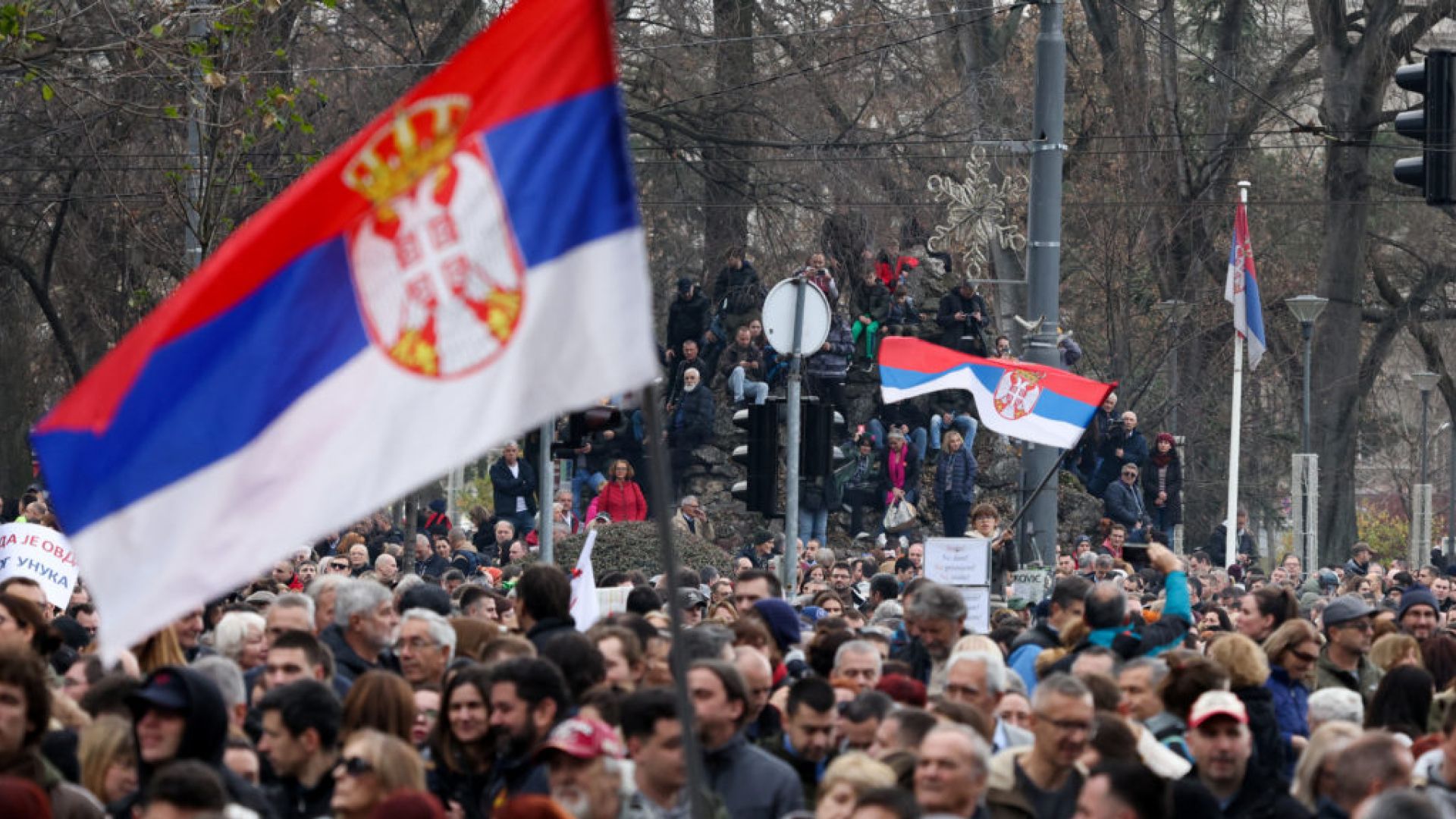
The demonstrations soon evolved into a nationwide movement. Students and young people became the main driving force, calling for justice, media freedom, and the rule of law. Thousands took to the streets of Belgrade and other major cities demanding the government’s resignation. In many cases, police used force to disperse the crowds, leading to numerous arrests and injuries. Despite that, the protests continued and became a symbol of a new civic awakening.
Source: Socialistsanddemocrats
The ruling Serbian Progressive Party (SNS) and its leader, Aleksandar Vučić, have dominated the political scene since 2012. Vučić’s control over key institutions and media outlets has helped him maintain his grip on power, while his government has promoted economic growth and infrastructure investment as signs of success.
Critics, however, argue that this progress has been achieved at the cost of democracy. They accuse the government of corruption, restricting freedoms, and undermining independent institutions.
International observers have also expressed concern. Reports by the European Parliament and the OSCE have noted that previous elections in Serbia were neither fully free nor fair, citing unequal access to the media, misuse of administrative resources, and pressure on voters.
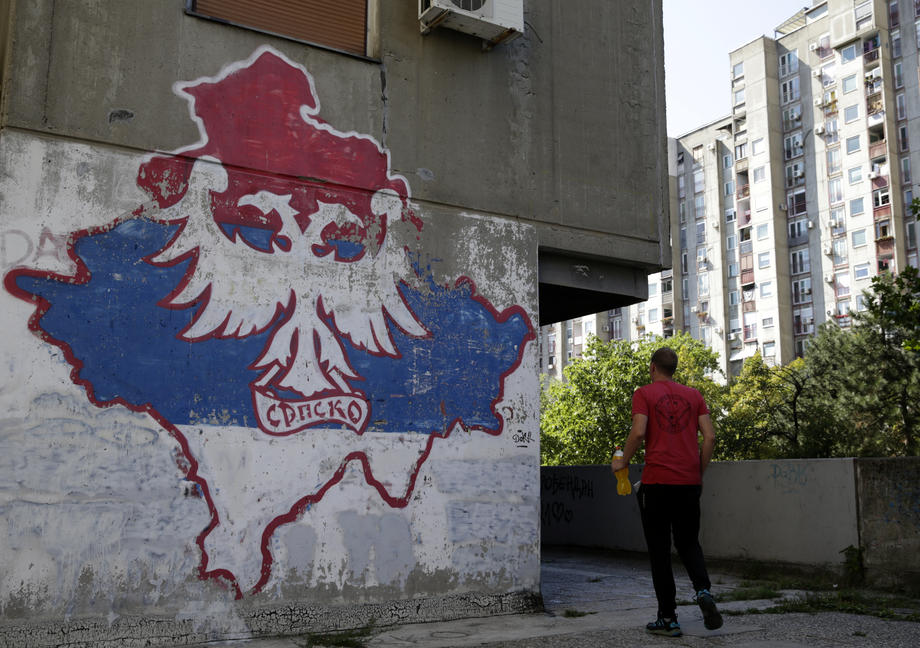
The upcoming elections are expected to be a crucial test for both the government and the opposition. While the ruling SNS remains strong, growing public anger may benefit opposition groups, which have recently shown signs of unity. Several new movements, including "Change for Serbia" and "The People’s Voice," have gained support among urban and young voters who are calling for transparency and accountability.
Source: СDE News
The elections will also play a key role in shaping Serbia’s foreign policy. The country continues to balance between the European Union, Russia, and China. While Vučić insists that Serbia seeks EU membership, his close ties with Moscow and Beijing remain a point of tension with Western partners. The new government’s stance after the elections will determine whether Serbia deepens cooperation with the EU or maintains its current multi-directional approach.
Analysts outline several possible scenarios. If the ruling SNS retains its majority, the political course will likely remain unchanged. If the opposition gains enough votes, Serbia could see its first coalition government in many years, which might open the door for political reform. However, if the elections are perceived as unfair, new waves of protests and political instability could follow.
Source: Libek
Political developments in Serbia are also important for the wider Balkan region. As one of the largest and most influential countries in Southeast Europe, Serbia’s stability affects its neighbors and the future of regional integration into the European Union.
The elections now carry significance far beyond routine ballot-casting. They will serve as a referendum on Serbia’s democratic credentials and the direction in which the country moves next. Whether Vučić consolidates his grip on power or a new political force breaks through, one fact has become impossible to ignore: Serbian society is shifting. Demands for accountability and transparent governance are growing louder, and the international community will be watching closely to see how Belgrade responds.
(If you possess specialized knowledge and wish to contribute, please reach out to us at opinions@news.az).


Similar news