SOCAR and modern technology: How digital systems are reshaping energy operations



Reliability is not determined solely by political stability, resource availability, or signed agreements. From SOCAR’s perspective, it primarily depends on the infrastructure that enables energy resources to be transported from the field to the final consumer, Polad Rustamov, Executive Director of SOCAR Midstream Gas Operations (SOCAR MGO), said at the international Asset Integrity, Corrosion, and Coatings Conference held in Baku last week, according to media reports.
He noted that a key component of such reliability is effective infrastructure integrity management. Failure to ensure timely maintenance and monitoring can result in costly incidents and serious consequences.
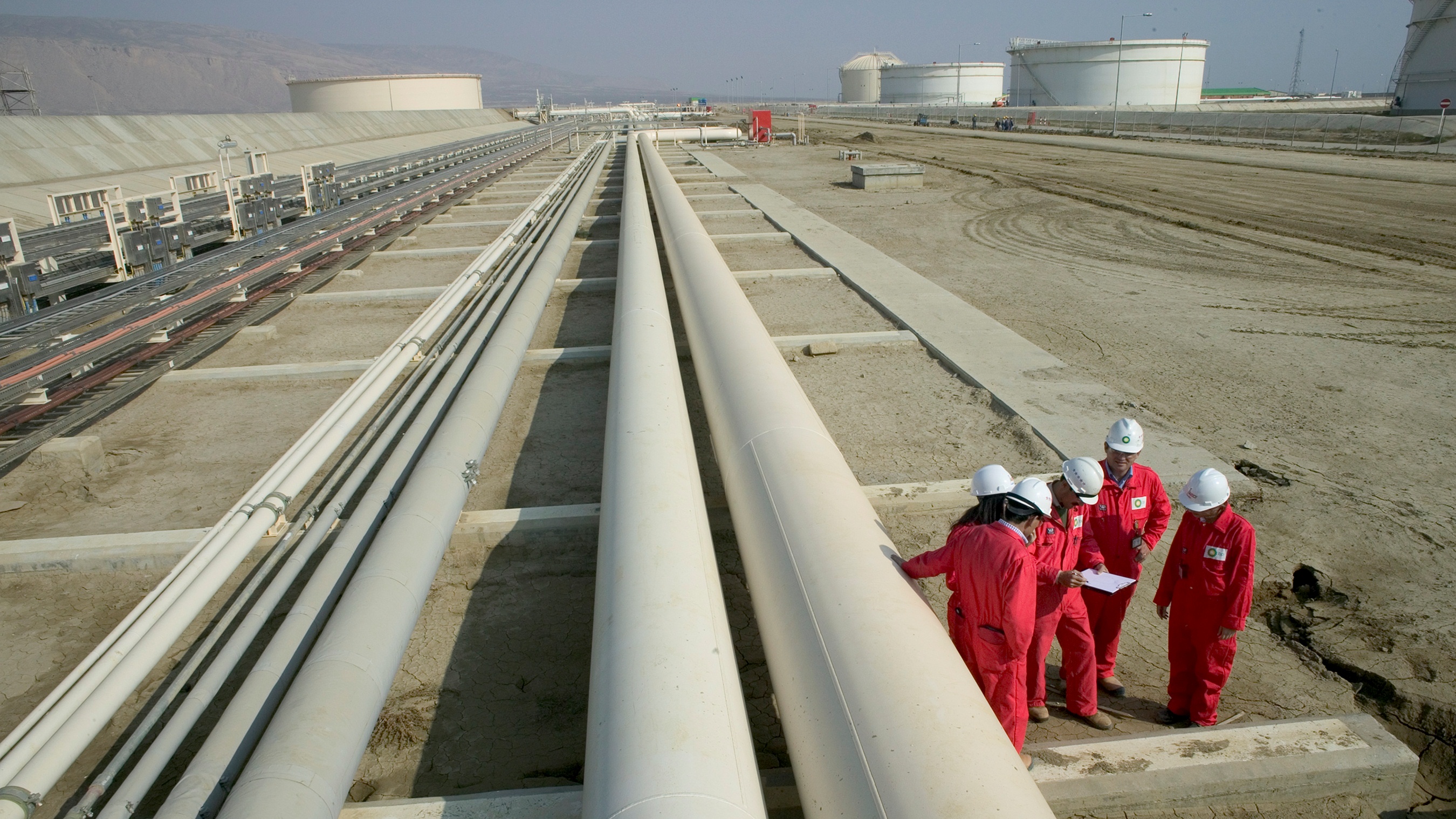
To prevent such risks in Azerbaijani projects, British energy major BP has introduced an advanced digital monitoring system in Azerbaijan aimed at enhancing the safety of trunk pipelines. The Abriox Remote Monitoring System (RMS) was presented at the Baku conference by David Beshitadze, an engineer at bp Exploration (Caspian Sea) Ltd.
Source: socarmidstream.az
The system has already been deployed and is currently used by BP on the Baku–Tbilisi–Ceyhan main export oil pipeline, as well as along the Southern Gas Corridor route. According to Beshitadze, the RMS enables the immediate detection of changes in pipeline parameters and the early identification of potential risks, allowing for timely decision-making and improved security of pipelines and energy supplies. Monitoring is conducted continuously, 24 hours a day, in real time.
He emphasized that the introduction of this technology allows not only for the prompt recording of deviations from normal operating parameters but also for the forecasting of potential threats through continuous digital oversight. As a result, the need for field inspections is significantly reduced, data accuracy is improved, and operating costs are optimized.
The Abriox RMS is a digital platform designed for real-time pipeline safety monitoring. Developed by the British company Abriox and implemented by BP in Azerbaijan, the system enables instant tracking of pipeline electrical parameters and the operation of equipment, such as transformer-rectifier units, helping to identify corrosion risks and other issues at an early stage, improve decision-making, and reduce operational risks.
Abriox is a fast-growing high-tech company specializing in remote pipeline monitoring, with its headquarters in Ohio, the United States, and its European and international headquarters in the United Kingdom. In addition to the RMS, the company has developed the MERLIN remote cathodic monitoring system, which protects trunk and distribution pipelines, storage tanks, and other underground structures from corrosion. Abriox has also created the OSPREY remote pressure monitoring system. The OSPREY SP is a solar-powered device that can be used to monitor alarm situations, including low pressure, blockages, gas ingress, or abnormal operations within gas distribution networks.

Source: mobiltex.com
SOCAR is also actively introducing and using remote monitoring equipment, including domestically produced solutions, particularly in the monitoring of oilfields and pipelines. For instance, the High-Tech Park of the Azerbaijan National Academy of Sciences manufactures remote monitoring devices that have been installed on SOCAR wells on the Absheron Peninsula. Using sensors, the system provides data on wind speed, pressure, temperature, depth, and other parameters. It also enables electricity costs to be reduced by up to 70 percent, positively affecting the cost of oil production.
However, most monitoring systems currently in use are of foreign origin. In early 2025, SOCAR, for the first time in the Caspian region, began implementing the Leucipa monitoring program to improve production efficiency in the oil and gas sector. The project represents a key element of SOCAR’s digital transformation strategy and is being implemented in cooperation with Baker Hughes.
Baker Hughes is a global energy technology company that provides services and equipment across the oil and gas value chain, from drilling, reserve assessment, and field development to green technologies and carbon-emission reduction. The company is headquartered in Houston and London.
Source: offshore-technology.com
At the initial stage, the Leucipa system will be deployed at around 100 wells and will enable the monitoring of pumps manufactured by both Baker Hughes and other suppliers.
In November, SOCAR also announced plans to introduce a comprehensive digital emissions monitoring system across all its operations. As part of this effort, the company has begun cooperation with ENABLON and has acquired a monitoring, reporting, and verification system designed to ensure accurate measurement and tracking of environmental indicators.
In addition, SOCAR has launched satellite monitoring of its oil and gas facilities to identify greenhouse gas emission volumes in cooperation with GHGSat. Measurements are also being carried out jointly with TotalEnergies using drones equipped with AUSEA technology.
Modern digital solutions now make it possible to monitor all stages of energy production and transportation, ensuring the level of reliability highlighted by SOCAR MGO Executive Director Polad Rustamov. While some factors remain beyond an exporter’s control, uninterrupted production and safe, efficient transportation play a decisive role in shaping its reputation as a reliable partner, and advanced technologies increasingly make it possible to maintain this standard.
By Tural Heybatov


Similar news