Sudan in chaos: Why did Russia use its veto?


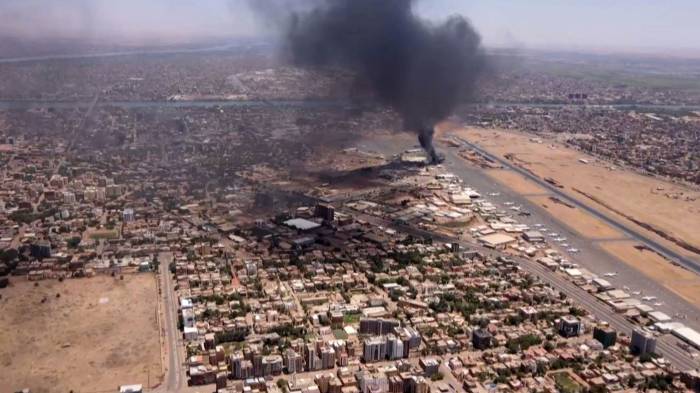
Sudan’s warring factions have been accused of committing human rights violations that include the shelling of civilian populations. Photo: AFP via Getty Images
On November 18, Russia blocked a United Nations Security Council resolution urging an immediate ceasefire in Sudan. The resolution, drafted by the United Kingdom and Sierra Leone, called for a halt to hostilities between the Sudanese Armed Forces (SAF) and the Rapid Support Forces (RSF), safe passage for civilians, and measures to alleviate a worsening humanitarian crisis that has reached catastrophic proportions.
Since the conflict began in April 2023, Sudan has descended into chaos. According to the World Health Organization (WHO), the death toll has reached 20,000, though some sources estimate the figure could be as high as 150,000. Around 26 million people face food shortages, with thousands of families trapped in crossfire. The United Nations reports that the conflict has triggered the world’s largest displacement crisis , with over 11 million people forced to flee their homes, including 3.1 million refugees who have crossed into neighboring countries.The proposed resolution outlined specific measures to address the crisis. It urged adherence to the Jeddah Declaration, humanitarian pauses, and secure corridors for aid delivery and civilian evacuation. However, Russia exercised its veto, blocking the resolution’s adoption.
Russia’s decision sparked criticism from Western nations. UK Foreign Minister David Lammy called the veto “cynical and cruel,” noting that Sudan itself supported the resolution. He accused Russia of using sovereignty arguments as a pretext for obstruction. U.S. Ambassador to the UN Linda Thomas-Greenfield described Moscow’s actions as “shocking but not surprising.”
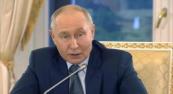
In response, Russia’s Deputy Permanent Representative to the UN, Dmitry Polyanskiy, emphasized that Moscow acknowledges the urgent need to resolve the conflict but opposes interventions that, in his words, “seek to impose the will of certain Council members on Sudanese people.” Polyanskiy also accused the West of “double standards,” citing UK support for humanitarian violations in the Gaza conflict.
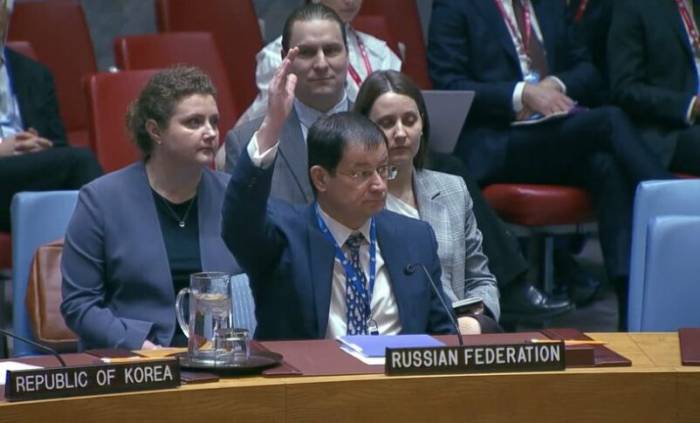
Deputy Ambassador Dmitry Polyanskiy vetoes a UK resolution, arguing it undermines the Sudanese government's authority on Nov 18, 2024. Photo: Sudan Tribune
Interestingly, Sudan’s government supported Russia’s actions. Sudan’s UN Ambassador Al-Harith Idris criticized the resolution for equating the SAF with the RSF, labeling the latter as rebels. He also accused several nations, including the UAE, of arming the RSF.
Russia’s veto is not merely an assertion of its non-intervention policy but part of a broader strategy to consolidate its influence in Africa. Sudan holds strategic significance for Moscow due to its geographic position and resource wealth. Russia’s ties with Sudan date back to Soviet times, and even after the USSR’s collapse, Moscow maintained military and economic relations with Khartoum.
Today, Russia is a major arms supplier to Sudan and has been working to establish a naval base in Port Sudan. Such a base would bolster Russia’s position in the Red Sea, enhance control over shipping routes through the Suez Canal, and expand its presence in the Indian Ocean—a crucial area amid growing global competition. Russia’s partnerships in the region, including with Iran, India, and South Africa, underscore its strategic interests.
Another key area of Russian interest is Sudan’s gold mining industry. Sudan is one of Africa’s largest gold producers, and Russian companies are heavily involved in this sector. Gold exports not only yield economic benefits but also help Russia circumvent Western sanctions.
Russia’s non-intervention principle became a cornerstone of its foreign policy following the 2011 Libya crisis. Moscow abstained from vetoing a UN resolution on a no-fly zone, which NATO used to intervene and ultimately overthrow Muammar Gaddafi. The perceived overreach of the UN mandate served as a cautionary tale for Russia, making it wary of resolutions that could justify international intervention.
In Sudan, Russia fears that adopting such a resolution could pave the way for NATO peacekeeping forces to deploy in the country. Moscow’s interests span both sides of the conflict. The SAF is the successor to Sudan’s military under former President Omar al-Bashir, a long-time ally of Russia. Simultaneously, the Wagner Group has provided military training and support to the RSF in exchange for access to gold mines.
By vetoing the resolution, Russia retains leverage over both sides, enabling it to remain a key player in conflict resolution. This strategic choice aligns with Russia’s broader goal of strengthening its influence in Africa. Moscow portrays itself as an alternative to Western dominance, a message that resonates with many African leaders. The success of two Russia-Africa summits illustrates Moscow’s ability to foster cooperation on the continent.
Russia’s decision to block the UN resolution on Sudan cannot be seen solely as opposition to the West. It reflects a calculated strategy to protect its geopolitical interests, solidify its role in Africa, and champion the principle of non-intervention. By leveraging international platforms to assert its position, Moscow enhances its global influence. Sudan, with its strategic location and abundant resources, remains a vital partner for Russia, which is determined to maintain a pivotal role in African affairs.


Similar news