Taiwan speeds up preparations for a clash with China


By Samir Muradov
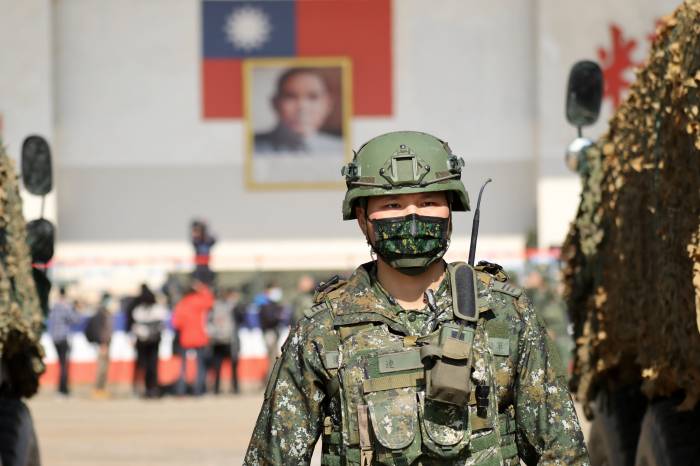
In recent years, Taiwan has been actively enhancing its defense capabilities, modernizing its military, and acquiring advanced weaponry. These actions have sparked mixed reactions and speculations both internationally and within the region. The key question is: is Taiwan preparing solely for defense, or could the island nation be considering more assertive military actions against China if tensions escalate?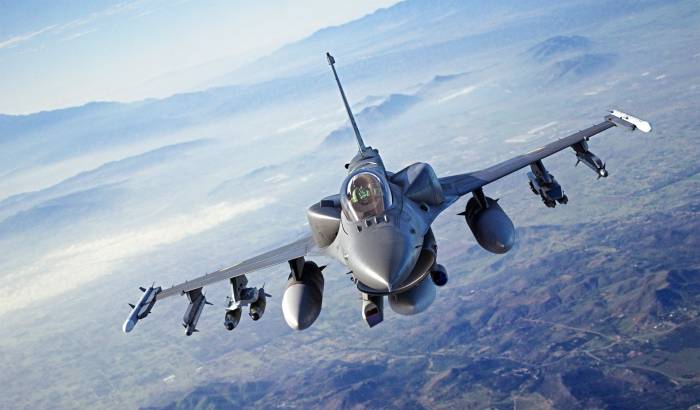
One of the key components of Taiwan's military strategy is equipping its F-16V fighter jets with the latest Viper Shield electronic warfare system, developed by the American company L3Harris. Taiwan has allocated NT$42.8 billion (around USD 1.33 billion) to acquire this cutting-edge technology. Viper Shield creates a powerful "virtual electronic shield," allowing fighter jets to operate effectively even in the most challenging combat conditions.
This system not only enhances the aircraft's protection from enemy radars and missile defense systems but also significantly improves pilots' situational awareness by providing critical real-time information. Viper Shield is integrated with the new APG-83 radar, which features an active electronically scanned array, making the F-16V a formidable asset in a potential conflict with China.
Taiwan's Air Force modernization includes other significant steps as well. In 2023, Taiwan completed a program to upgrade 140 F-16A/B fighters to the F-16V version, making them far more capable in handling contemporary challenges. These jets are now equipped with advanced AN/AAQ-33 Sniper targeting pods and MS-110 multispectral imaging systems, boosting their combat capabilities further.
The first 66 new F-16V jets ordered from the U.S. are expected to be delivered by the end of this year, with Viper Shield becoming a crucial part of Taiwan’s defense arsenal. This showcases Taiwan’s determination not only to defend itself but also to demonstrate its readiness for a potential standoff in case of conflict.
Beyond air force modernization, Taiwan is also strengthening its ground forces. This year, Taiwan is expected to receive M142 HIMARS multiple launch rocket systems from the U.S. for the first time. According to the Taipei Times, the U.S. approved the sale of 11 HIMARS units to Taiwan in 2020, with an additional 18 systems purchased later.
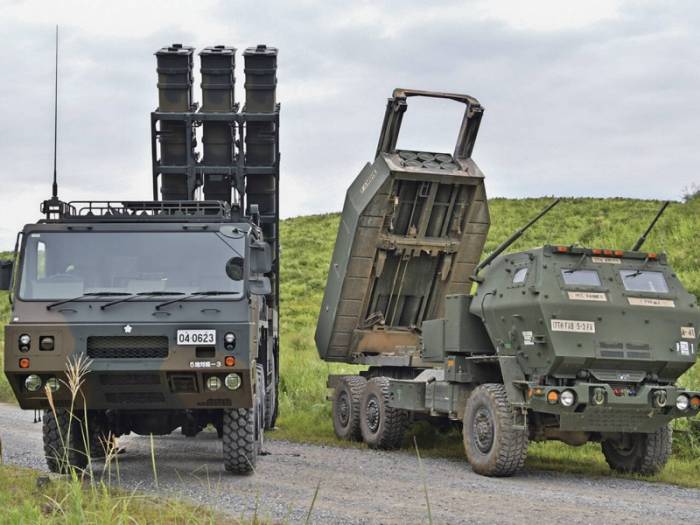
The first batch of 11 HIMARS is expected to arrive in 2025, with full delivery completed by 2026. Taiwan is also acquiring 84 MGM-140 ATACMS tactical ballistic missiles and 864 rounds of ammunition for HIMARS. These systems could significantly shift the balance of power in the region, as HIMARS provides long-range, precise firepower, crucial for Taiwan in any potential conflict with China.
Despite delays in arms deliveries—Taiwan has yet to receive $19 billion in previously ordered equipment—the arrival of HIMARS will notably bolster Taiwan’s defense capabilities, giving it the ability to respond swiftly to potential threats from China.
Unsurprisingly, Taiwan’s military buildup has not gone unnoticed in Beijing. China has repeatedly expressed its opposition to any arms sales to the island and continues to press the U.S. to halt its military support to Taiwan, arguing that such actions exacerbate already fragile diplomatic relations.
In July 2023, China imposed sanctions on several U.S. defense companies involved in supplying arms to Taiwan. Beijing perceives these moves as a direct threat to its sovereignty, as it considers Taiwan part of its territory and reacts sharply to any international recognition of the island's sovereignty.
In response to Taiwan’s military enhancements, China has intensified its military patrols and exercises near Taiwan's borders. The People's Liberation Army regularly conducts large-scale drills involving both air and naval forces, simulating blockades or even an attack on Taiwan. These maneuvers send a clear signal that Beijing is prepared for military action if tensions with Taipei continue to escalate.
The question of whether Taiwan’s actions are purely defensive or signal readiness for more assertive measures remains open. The modernization of its armed forces, acquisition of advanced technologies, and increased combat readiness could suggest that Taiwan is preparing not only to defend itself but also to take decisive action in case of aggression.
Some analysts speculate that, under constant pressure from China, Taiwan might consider preemptive strikes on key enemy targets if conflict seems inevitable. Systems like Viper Shield and HIMARS could play a critical role in such a strategy: Viper Shield would protect the fighter jets during air operations, while HIMARS would provide powerful, long-range strikes against ground targets.
However, despite these preparations, Taiwan continues to position itself as a nation striving for peace and stability in the region. Island officials have repeatedly stated that military modernization is solely for defensive purposes and aims to ensure Taiwan’s security and sovereignty in the face of potential aggression from China.
As these developments unfold, the international community continues to closely monitor the situation around Taiwan. While the U.S. and other allies support Taiwan's defensive efforts, no one is interested in an open military conflict between Taiwan and China. Such a confrontation could have catastrophic consequences not only for the region but also for global security and the economy.
Taiwan has become the focal point of one of the most volatile conflicts of our time. The island nation is bolstering its military forces to ensure its security, but the question of how far it is willing to go in the event of a conflict with China remains unresolved. Taiwan is actively preparing for future challenges, and the outcome of these preparations could shift the balance of power in the region for decades to come.


Similar news