Ukraine at the crossroads: Dialogue under pressure from Trump and Russia – INTERVIEW


.png)

The first high-level talks between Russia and Ukraine since early 2022 have sparked cautious optimism but also underscored deep divisions. Held in Istanbul, the negotiations resulted in a symbolic agreement to exchange 1,000 prisoners of war and to continue dialogue—steps hailed by some experts as meaningful diplomatic gestures. However, hopes for a ceasefire remain dim. Ukraine and its Western allies proposed a 30-day unconditional truce, while Russia demanded that Ukrainian forces withdraw from partially occupied territories and recognize Moscow’s control over four regions—terms Kyiv called “detached from reality.” Kremlin negotiator Vladimir Medinsky’s historical references and warnings reflected Russia’s uncompromising stance. Despite tensions, Türkiye’s Foreign Minister confirmed that both sides remain open to further talks. For the international community, particularly the United States, this fragile diplomatic opening represents a narrow yet crucial opportunity to de-escalate a protracted and devastating war with far-reaching global implications.
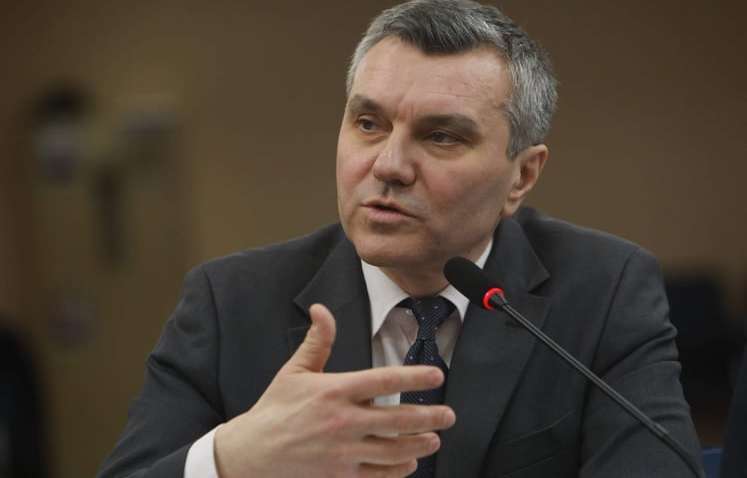
The Azerbaijan-based analytical portal News.Az reached out to Ukrainian political analyst Valeriy Dymov for insight into the Istanbul talks.
He noted that, as a result of coordinated pressure from Russia and U.S. President Donald Trump, Ukraine entered the talks in a weak position and was forced to consider the Kremlin’s terms.
“Given Ukraine’s current situation, it’s hard to sum up how we got here. But Trump’s return has clearly accelerated the implementation of Russia’s agenda. The Ukrainian delegation couldn’t afford not to attend the talks in Istanbul. This played right into Russia’s propaganda machine: negotiations were held, apparent progress was made, but everything allegedly collapsed due to outside interference. This mirrors the 2022 Istanbul talks, which were also derailed by external forces. For Trump, the blame lies with Biden. For Viktor Orbán and other Trump-aligned figures in Europe, it’s Brussels, NATO, and Western leaders. This narrative will be recycled for domestic political purposes.”
Dymov emphasized that this line of messaging will remain a fixture of Russia’s propaganda toolkit:
“Medinsky led the Russian delegation again. We saw a renewed propaganda wave: Ukraine was supposedly ready to agree, but talks were disrupted. Now, Russia’s 2022 demands have become even tougher. Back then, an agreement seemed possible. Today, if Ukraine refuses again, the terms will only get harsher. That’s a direct threat.”

Source: Reuters
“With no meaningful Western response to such ultimatums, European leaders told Putin to accept the U.S.-proposed plan—one supported by Ukraine in Jeddah—for a 30-day ceasefire across land, sea, and air. Russia instead put forward counter-demands. Trump endorsed the idea of talks, and Moscow used that support to frame Ukraine as weak if it declined. Thus, Russia is advancing its scenario: escalating terror against cities, ramping up military aggression, and leveraging diplomatic pressure via Trump and Trumpist allies like Vitkov. The message is clear: ‘Accept our terms, or face worse.’”
When asked whether he viewed the meeting as a genuine step toward peace or merely diplomatic theater, Dymov referenced retired U.S. General Keith Kellogg:
“Ukraine was winning, but Washington had to decide whether it truly wanted Ukraine to win. First, we weren’t allowed to secure victory—Kellogg again—and then, as setbacks emerged, we were told: ‘You’ve lost. You have no leverage.’ The result is a narrative where the defeated side seeks peace with the stronger party—Russia. That’s how Trump, Vitkov, and other pro-Russian actors think. In their eyes, ‘peace’ means accepting the Russian world.”
“Ukraine wants peace because it is suffering. The West wants peace to save face by striking deals with Putin. Forcing Ukraine to concede could soon become normalized. It’s about legitimizing occupied territories and sidelining Kyiv. This isn’t peace—it’s coercion.”
On whether he had any expectations from the talks, Dymov was blunt:
“None. These talks were a continuation of March 2022—only now with even more pressure. Turkish media even called them a direct sequel to those earlier discussions. Ukraine couldn’t refuse to participate, which left our foreign policy in a reactive posture. Worse still, even that reaction wasn’t part of a strategic plan but the result of immense pressure—military, informational, diplomatic, and political. And much of that pressure came from our own allies in the U.S., who once pledged full support but now are failing to deliver. We are watching the collapse of international commitments. This doesn’t bring sustainable peace—it destroys the very foundation of international law.”
Source: politico
Russia, Dymov said, insists on negotiating only with the U.S. President—deliberately attempting to sideline Ukraine.
“This is a clear attempt to strip Ukraine of agency and frame the conflict as a superpower bargain. Putin received an ultimatum from European leaders to accept the U.S.–Ukraine plan developed in Jeddah. Russia not only rejected it, but responded with counter-demands relayed through Vitkov and echoed by Trump. With no serious consequences behind Western demands, and Europe dependent on U.S. positions, Russia chose to speak directly to Washington. The aim is to bypass Kyiv and delegitimize Ukraine.”
“Trump initially supported a U.S.-led peace plan but quickly pivoted, saying Zelenskyy should go negotiate directly with Putin. Putin, meanwhile, didn’t show up—he sent the same delegation from the 2022 talks. This shows complete disregard for Ukraine’s sovereignty. Trump has made it clear: only the strong deserve a seat at the table. He elevates Putin to the level of a global dealmaker—a status he does not deserve. Trump calls him ‘a great guy.’ This is not diplomacy—it’s an open invitation for blackmail and terror.”
On the threat of escalation if Ukraine’s ceasefire proposal is rejected, Dymov warned:
“Escalation is not a possibility—it’s already happening. Military pressure is increasing. Russia’s strategy, backed by Trump, is to force Ukraine into concessions through both battlefield aggression and political coercion.”
“Trump recently claimed Russia would have taken all of Ukraine if not for him. But when Ukraine’s army pushed Russian troops out of Kyiv, Kharkiv, and Kherson’s right bank—Trump wasn’t even in office. We must remember the Ukrainian military’s heroism during those months. But Trump and Vitkov’s message is: ‘You could have lost everything—and still might. So accept what we offer.’”
“This is hybrid warfare—on the ground and in the information space. We’re facing:
- Frontline escalation through military attacks.
- Diplomatic and media pressure through Trump, Vitkov, and U.S. ‘intermediaries.’”
Dymov also addressed Türkiye’s mediation efforts and the role of Foreign Minister Hakan Fidan:
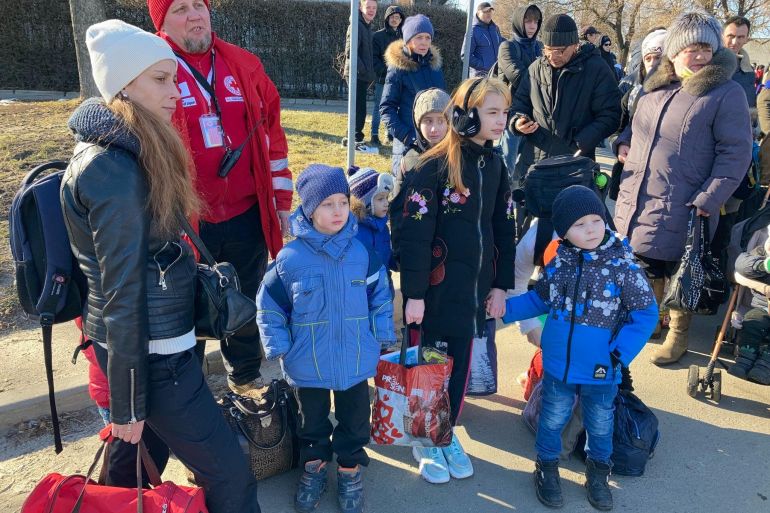
“I wouldn’t call this a classic ‘peace process.’ True peace doesn’t involve terrorizing the victim into submission. Russia offers blackmail, not peace. But Türkiye’s role is nonetheless significant. While peace hasn’t been achieved, Türkiye has brought something essential—hope. A thousand Ukrainian families are now looking to Ankara, hoping their loved ones will be returned.”
Source: KyivPost
“Russia is a terrorist state that trades in human lives. Among the hostages are civilians, women, children, and POWs—many of whom should be freed under the Geneva and Hague Conventions. Russia pledged to release them through agreements involving Türkiye, the Red Cross, and the UN. Yet people like journalist Viktoria Roshchyna are still tortured and killed. Her body couldn’t even be identified. In this context, Türkiye’s mediation is the only ray of light.”
Dymov concluded with a historical reminder:
“If Russians love history so much, let’s remind them: Russia didn’t even exist during the Great Northern War. The name was suggested to Peter I by a Ukrainian. During the Pruth Campaign in 1711, Russian forces were surrounded by Turkish troops, Crimean Tatars, and Ukrainian Cossacks. Only a bribe saved them. And let’s not forget the Crimean War—where Russians lost to European allies, including the Kingdom of Sardinia.”


Similar news