Iran Leader pardons or reduces sentences for more than 2,000 convicts


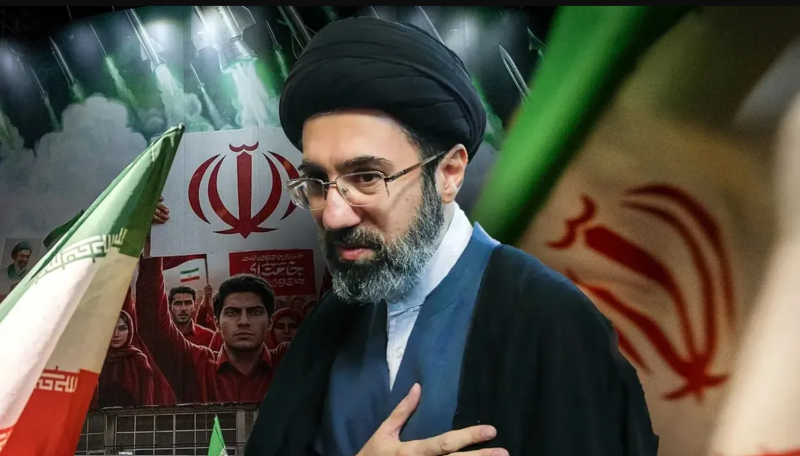
Iran’s Supreme Leader Mojtaba Khamenei has pardoned or commuted the sentences of more than 2,000 convicts ahead of Eid al-Ghadir, one of the most important holidays in the Islamic calendar, the judiciary has announced.
The clemency, approved at the request of Judiciary Chief Gholamhossein Mohseni Ejei, applies to inmates convicted by general and revolutionary courts, military tribunals and other judicial bodies, News.Az reports, citing Iran’s English-language Press TV.
Judiciary official Ali Mozafari said on Friday that eligible convicts must have no private complainant, no effective criminal record, and must have demonstrated signs of rehabilitation after serving part of their sentence. Age, family circumstances and the nature of the offence are also taken into account.
RECOMMENDED STORIES
“The principle in the judiciary is the full execution of sentences,” Mozafari said. “But when it becomes clear during enforcement that a person has reformed and continued punishment is unnecessary, a pardon or sentence reduction becomes possible.”
Most of the more than 2,000 convicts covered by the measure will be released immediately, he added.
Mozafari said individuals convicted of security-related offences, espionage, crimes against national security, or acts deemed to have threatened public security would not be eligible for clemency.
“In the current situation, where the Islamic Republic of Iran is engaged in an imposed war with global arrogance, the United States and the Zionist regime, crimes against national security are dealt with decisively, and this category of convicts is excluded from any reduction or pardon,” he said.
He added that cases involving private complainants cannot be considered for clemency unless the complainant's consent has been obtained.
According to Press TV, such pardons are routinely granted on major religious and national occasions. Eid al-Ghadir, observed on the 18th day of Dhu al-Hijjah, commemorates the occasion when Prophet Muhammad appointed Imam Ali as his successor, according to Shia tradition.
Mozafari said provincial pardon commissions and a central review body examined eligible cases despite time constraints caused by public holidays and what he described as the country's wartime conditions. He stressed that decisions were based solely on legal criteria.
“No pressure, demand or consideration outside legal frameworks has any effect on the review process,” he said.
The clemency announcement comes amid heightened tensions between Iran, the United States and Israel. Mozafari reiterated that those convicted of offences against state security remain entirely outside the scope of any pardon or sentence reduction.


Similar news