U.S.–China trade war reshapes global alliances — What it means for Azerbaijan


By Asif Aydinly
As trade tensions between the United States and China escalate once again, the global economic landscape is facing heightened uncertainty. From retaliatory tariffs to the fragmentation of global supply chains, the consequences are already being felt far beyond the borders of the two superpowers. But what does this growing confrontation mean for other key players on the world stage — particularly the European Union, emerging economies, and strategically located regions such as the South Caucasus? In an interview with News.Az, Yunis Sharifli, an expert at the Caucasian Center for International Relations and Strategic Studies, offers his insights into the evolving dynamics of the U.S.–China economic rivalry. He discusses its potential impact on global alliances, regional economies, and Azerbaijan's emerging role as a strategic partner in a rapidly changing world.

Source: Yunis Sharifli, an expert at the Caucasian Center for International Relations and Strategic Studies
– The US and China have imposed tariffs on each other. Do you think this situation will lead to a complete breakdown in economic ties between Washington and Beijing?
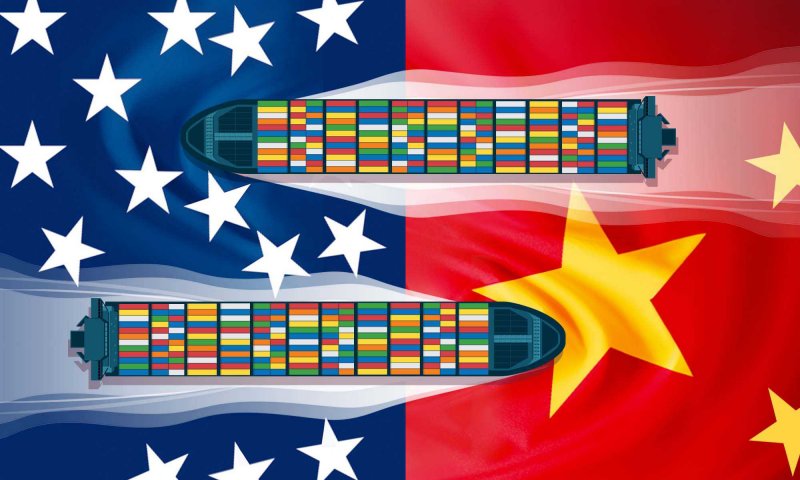
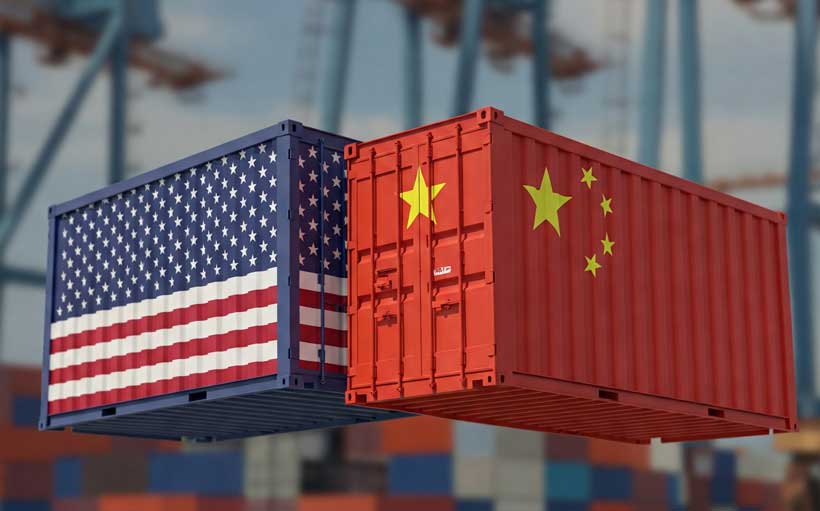
– The United States has imposed tariffs as high as 145% on Chinese imports, prompting retaliatory measures from China, which introduced tariffs of up to 125% on U.S. goods. These actions have significantly increased the cost of bilateral trade, effectively pricing many goods out of each other's markets. In the short to medium term, we can expect a substantial decline in trade volumes, along with a decrease in investment flows and corporate partnerships.
Companies in both countries are already facing considerable challenges. For instance, U.S. chipmaker NVIDIA has stated it could lose up to $5.5 billion due to new restrictions on the sale of its H20 chips to China—an example of how escalating tensions directly affect corporate revenues and access to key markets.
However, a complete breakdown in economic relations remains unlikely in the foreseeable future. Mutual reliance on critical goods—such as U.S. agricultural exports to China and Chinese electronics to the U.S.—continues to anchor bilateral economic ties. Moreover, the complexity and global integration of existing supply chains cannot be unwound overnight, further limiting the potential for total economic decoupling.

Source: Reuters
– Can the confrontation with the U.S. soften relations between the EU and China?
– The ongoing U.S.–China tensions may create new opportunities for diplomatic and economic recalibration between the EU and China. While there are signs of renewed dialogue and cautious re-engagement, significant structural differences persist. Like the United States, the European Union has voiced concerns about subsidies, restricted market access, and China’s regulatory practices—leading to increased scrutiny of Chinese goods, particularly in sectors like electric vehicles.
Furthermore, there is growing unease within the EU that China, in response to its restricted access to the U.S. market, may redirect excess exports toward Europe. This could exacerbate trade imbalances and put additional pressure on European industries. Unless both sides engage in substantive dialogue and begin resolving at least some of these structural issues, a comprehensive EU–China partnership will remain difficult to realize.

Source: BBC
– Which countries can China rely on in a trade war with the U.S.?
– In the face of heightened U.S. protectionism, China is actively pursuing diversified trade and diplomatic partnerships. Southeast Asia and Central Asia remain strategic priorities due to their geographic proximity and well-established economic linkages. China is likely to deepen its engagement with these regions to secure alternative markets and strengthen supply chain resilience.
In addition, African countries are expected to play a key role in China’s broader trade strategy. These markets offer growing demand for Chinese exports and access to strategic resources, including critical minerals. The current geopolitical climate provides Beijing with an opportunity to fill gaps left by the United States, enhance its global standing, and position itself as a more reliable economic and technological partner in emerging regions.
Source: CNN
– How could tensions between the U.S. and China affect the South Caucasus region, and Azerbaijan in particular?
– The current U.S. administration does not appear to have a clear or consistent strategy toward the South Caucasus. In contrast, China’s presence in the region is steadily expanding—particularly in sectors such as renewable energy and electric vehicles, areas where Azerbaijan has expressed strong interest in collaboration.
In the absence of robust Western engagement, and given Azerbaijan’s growing openness to Chinese partnerships, we can expect an increase in bilateral agreements and Chinese investment in the country. Over time, this could translate into a broader Chinese footprint across the South Caucasus, with growing influence in regional economic development and infrastructure projects.


Similar news