U.S.-Russia diplomatic talks in Istanbul: A step toward easing tensions?


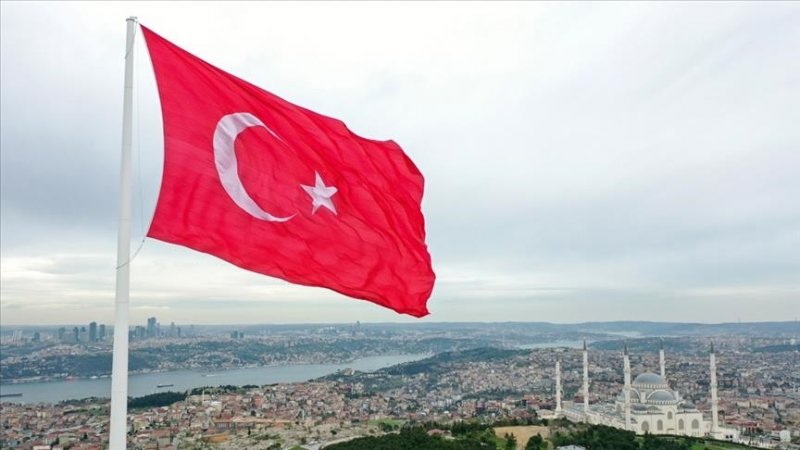
Today, senior diplomats from Russia and the United States are convening in Istanbul to address long-standing obstacles hindering the effective operation of their diplomatic missions.
This high-level dialogue follows recent negotiations in Riyadh and has garnered significant attention from political analysts and international media. Russian Foreign Minister Sergey Lavrov confirmed that one of the key outcomes of the February 18 discussions in Saudi Arabia was an agreement to restore embassy staff—a crucial move toward stabilizing strained relations between Washington and Moscow.

Source: AzerTag
To assess the broader implications of these negotiations, News.Az spoke with political analyst Tural Ismailov, who underscored the significance of today’s meeting within the wider context of U.S.-Russia relations.
Diplomatic reset or tactical maneuver?
"The meeting in Istanbul is of great importance," Ismailov stated. "The diplomatic standoff between the U.S. and Russia has persisted for years, and this renewed dialogue signals a potential turning point. The progress made in Saudi Arabia suggests both sides recognize the need for communication, even amid ongoing geopolitical tensions."
Source: Anadolu
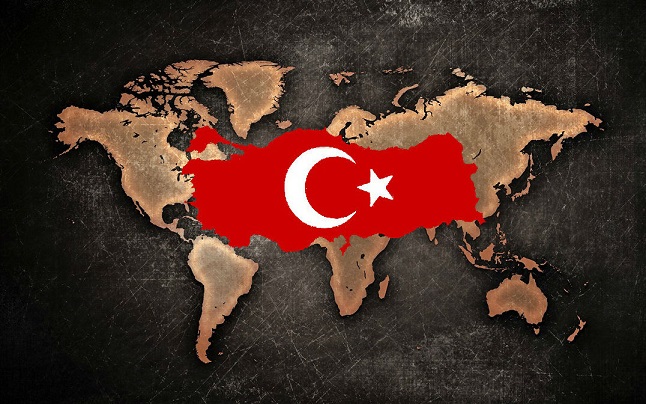
A key element of today’s talks is Türkiye’s role as a facilitator. As a NATO member with strong ties to both Russia and the West, Türkiye has positioned itself as a neutral broker in various regional disputes. Ismailov highlighted Türkiye’s distinctive diplomatic stance:
"Unlike some Western nations, Türkiye does not approach Russia-Ukraine relations through a lens of confrontation. Instead, it seeks to deepen multilateral dialogue, a strategy that has cemented its credibility as a trusted mediator."
Türkiye’s expanding diplomatic influence
Türkiye has played an instrumental role in previous diplomatic breakthroughs, including the now-defunct Black Sea grain deal, which allowed for the export of Ukrainian agricultural products despite the ongoing war. Ismailov pointed out that Ankara’s diplomatic clout has grown significantly since the outset of the conflict.
"At the start of the war, Türkiye was among the few countries capable of bringing both Russia and Ukraine to the negotiating table. Its efforts in brokering the grain agreement demonstrated its ability to facilitate practical, high-stakes diplomacy," he noted. "Following the Riyadh talks, the recent visits of both Ukrainian President Volodymyr Zelensky and Foreign Minister Lavrov to Türkiye further highlight Istanbul’s potential as a critical venue for negotiations."
The analyst suggested that Istanbul could emerge as a long-term platform for high-level discussions between Moscow and Kyiv, given its geographical and political positioning.
"Türkiye’s leadership understands the complexities of the Russia-Ukraine war and has maintained communication channels with both parties. If sustained, this diplomatic momentum could establish Türkiye as a pivotal mediator in future peace efforts."
What to expect from the Istanbul meeting?

Source: Reuters
While details of today’s discussions remain undisclosed, Ismailov believes the meeting is part of a broader effort to de-escalate tensions between Moscow and Washington, as well as between Russia and Ukraine.
"This is not a one-time event," he asserted. "Given Türkiye’s strategic location and diplomatic leverage, similar meetings will likely become more frequent. Ankara could play an ongoing role in shaping a dialogue between Russia, Ukraine, and the West."
As U.S.-Russia relations remain at one of their lowest points in decades, the Istanbul talks may serve as an initial step toward re-establishing limited diplomatic cooperation. However, whether these engagements will lead to substantive breakthroughs remains uncertain.
"Türkiye has proven itself as a reliable intermediary," Ismailov concluded. "While the road to de-escalation is long, these discussions offer a glimpse of diplomatic pragmatism amid a deeply fractured global order."


Similar news