Watch: Mayon Volcano shows rising activity with new lava dome


A new dark lava dome emerged at Mayon Volcano in the Philippines on Thursday morning, January 8, as the volcano discharged lava and pyroclastic density currents, signaling increased volcanic unrest.
Pyroclastic density currents began descending the Miisi Gully and the southern upper slopes of Mayon Volcano at 11:40 a.m., with gray smoke continuously rising from the summit, News.Az reports, citing foreign media.
By that time, a total of 49 pyroclastic density currents had been recorded moving through the Miisi, Bonga, and Basud gullies. These gullies, natural channels or steep grooves running down the volcano’s slopes, direct lava and volcanic debris during eruptions.
Earlier, at 6:51 a.m., a dome-collapse pyroclastic density current from Mayon’s summit generated grayish ash clouds reaching up to 1,000 meters, drifting west-northwest. The ash affected Legazpi City, Ligao City, Guinobatan, Bacacay, Camalig, and surrounding barangays in Albay.
LOOK: A newborn dark lava dome can be gleaned at the summit of Mayon Volcano as it sheds a pyroclastic density current (PDC) or "uson" on the Miisi Gully on the southern upper slopes at 11:40 AM today, 8 January 2026. A total of 49 PDCs have been shed the entire morning on the… pic.twitter.com/ReC52sy74L
— PHIVOLCS-DOST (@phivolcs_dost) January 8, 2026
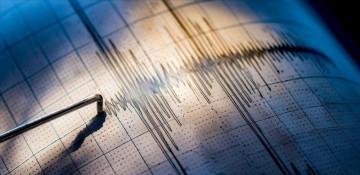
Phivolcs’ bulletin indicated that over the 24-hour period on January 7, Mayon Volcano produced 162 rockfalls, 50 pyroclastic density currents, and one volcanic earthquake. Sulfur dioxide emissions reached 702 tonnes per day, with a plume rising 200 meters and moderate gas output.
The volcano’s alert level was raised to Alert Level 3 on Tuesday, January 6, after 346 rockfall events were recorded in less than a week, reflecting an increased likelihood of hazardous eruptions.
The first alert level escalation, from Level 1 to Level 2 on January 1, was prompted by heightened magmatic activity and rockfalls.
State seismologists and local authorities have begun evacuating residents near the volcano, strictly enforcing the six-kilometer permanent danger zone as well as the extended danger zone.


Similar news