Who owns the internet? Meta, Google, and Amazon fight for undersea supremacy


By Tural Heybatov
Meta is making an aggressive push to expand its dominance in global connectivity, announcing plans to build the world’s longest undersea fiber-optic cable. The project, named Waterworth, will span an unprecedented 50,000 kilometers, linking the U.S., India, South Africa, Brazil, and other key regions.
According to The Guardian, Waterworth will be the longest submarine cable in history, utilizing cutting-edge 24-pair fiber-optic technology to vastly increase data capacity. This expansion aligns with Meta’s broader ambitions in artificial intelligence and digital connectivity, ensuring faster and more reliable global infrastructure.
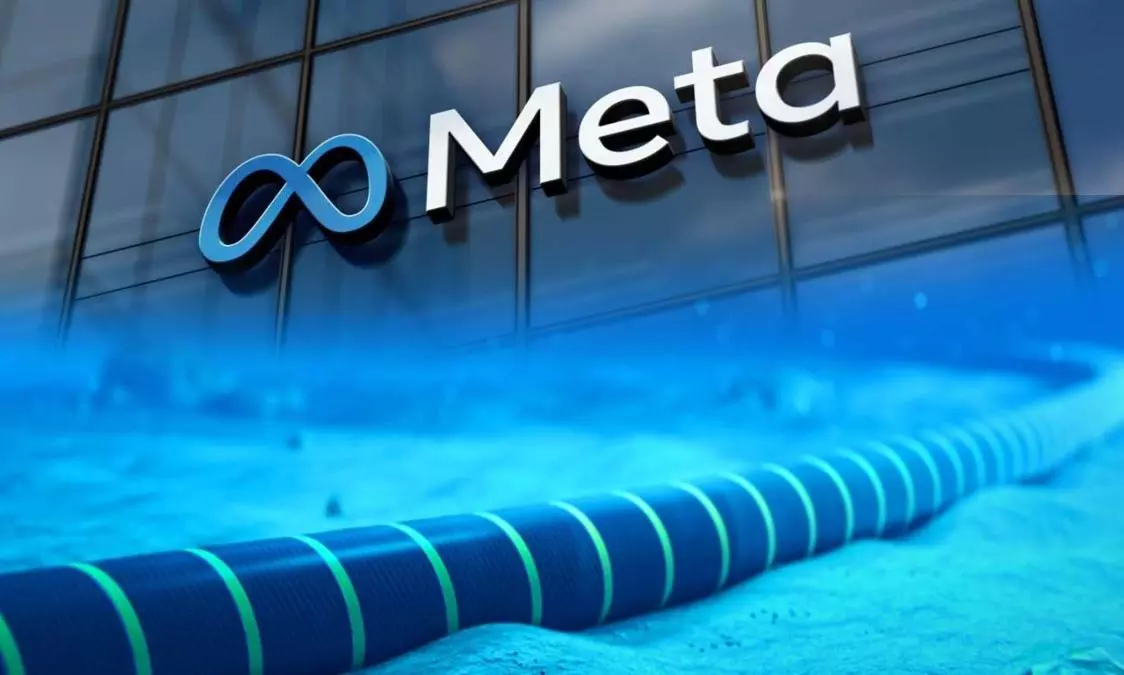
The scale of this project is staggering. The proposed cable will stretch farther than the circumference of the Earth, and its vast network of fiber-optic lines will enable faster, more stable connections across continents. Meta claims that Waterworth will unlock new economic opportunities, enhance digital inclusivity, and provide critical technological advancements for nations along its route.
In addition to connectivity benefits, the cable could play a strategic role in the expansion of cloud computing services, data centers, and emerging AI-driven technologies, all of which rely on high-speed, low-latency global networks. The infrastructure will also allow Meta to reduce its reliance on third-party network providers, giving it greater control over the transmission of data between its servers, social media platforms, and AI-driven projects.
The engineering feat required to construct Waterworth is immense. The cable will be laid at depths of up to 7,000 meters, incorporating advanced engineering solutions to protect it from damage, particularly in shallow waters, where undersea cables are most vulnerable. Given the complexity and scale of the project, the construction will likely involve collaboration with leading telecommunications companies and undersea cable specialists.
While undersea cables form the backbone of global connectivity, carrying 95% of the world’s internet traffic, they also represent an increasingly vulnerable asset. As geopolitical tensions rise, these critical communication arteries are becoming prime targets for sabotage, cyber warfare, and espionage.
In November 2024, two major submarine cables—Germany-Finland and Lithuania-Sweden—were deliberately damaged in the Baltic Sea, sparking concerns over covert military operations. Intelligence analysts and security experts suspect state actors were behind the incidents, as the cables were damaged at points where they intersected, making accidental failure unlikely.
Then, in January 2025, another critical submarine cable linking Latvia and Sweden was severed, further heightening concerns over the security of Europe’s digital infrastructure.
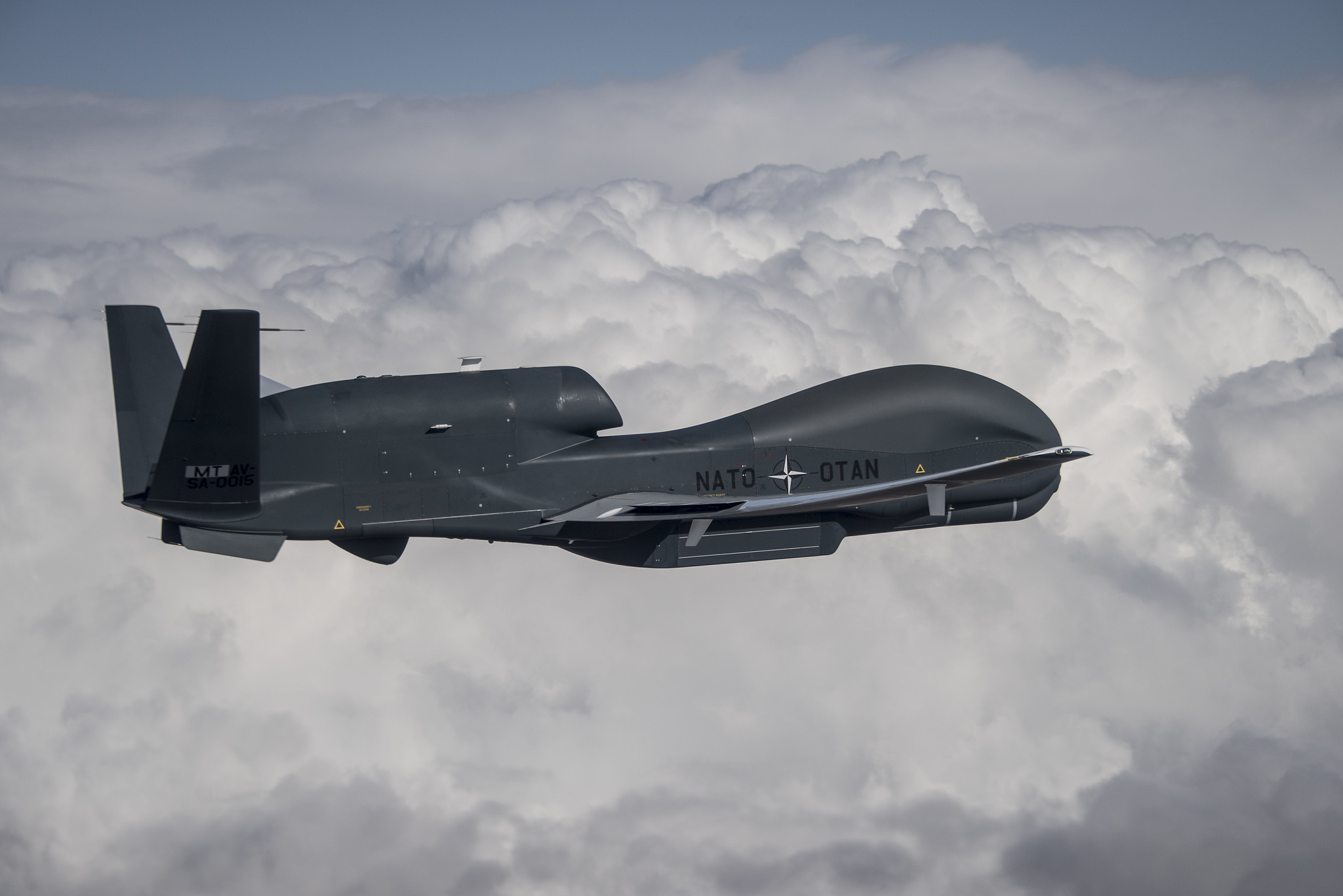
In response to these incidents, NATO launched a new surveillance mission in the Baltic, aimed at tracking suspicious maritime activity. The increased focus on cable security highlights how vital undersea infrastructure has become in both economic and strategic terms.
Meanwhile, Lithuanian Prime Minister Gintautas Paluckas has urged the European Commission for at least €30 million to fortify the country’s undersea infrastructure against potential attacks. Similar concerns are growing in Scandinavia and other European nations, as governments look to strengthen maritime surveillance and cyber defense.
The UK is also reassessing its vulnerability. The country relies on 60+ undersea cables to transmit nearly 100% of its data traffic, making it a prime target for disruptions or hostile actions. Any attack or failure in these networks could severely impact financial transactions, defense communications, and digital services.
Recognizing this risk, the UK Parliament has launched a formal investigation into the country’s preparedness to withstand potential cyberattacks or physical sabotage against undersea infrastructure. Some analysts warn that Britain’s reliance on private sector-owned cables—many of which are operated by U.S. tech giants—raises additional questions about national security and digital sovereignty.
Undersea cables are rapidly becoming the new frontier in global digital competition. Meta, Google, Amazon, and Microsoft now control 70% of the world’s transcontinental submarine cable networks, a staggering jump from just 10% in 2012, according to The Wall Street Journal.

Tech giants are pumping billions into new infrastructure, seeking to secure faster data transmission, lower operational costs, and greater control over global internet traffic. By owning and operating undersea cables, these companies can bypass traditional telecom providers, ensuring more stable and cost-effective data flows for their platforms.
Google, for example, has taken an aggressive approach to expanding its network. Last year, the company announced plans to build the first direct undersea cable between Africa and Australia, providing improved connectivity for one of the fastest-growing internet user bases in the world. Additionally, Google is investing $1 billion in two high-capacity cables across the Pacific to strengthen connectivity with Japan.
Microsoft is also expanding its global infrastructure, with a strong focus on supporting its Azure cloud services and AI-driven applications. The company is investing heavily in transatlantic and transpacific cables, ensuring seamless data transfers between North America, Europe, and Asia.
Amazon, too, is making moves in the undersea cable space, as it seeks to expand AWS (Amazon Web Services), the world’s largest cloud computing platform. Reliable, high-speed data transmission is essential for enterprise customers, AI-driven applications, and streaming services that rely on AWS infrastructure.
Meta’s Waterworth project signals a major escalation in the race for undersea dominance. The move is particularly significant given Meta’s push into AI, which demands vast amounts of data processing power and ultra-fast global networks.
By building its own proprietary infrastructure, Meta can eliminate dependency on external providers, ensuring that its AI models, cloud services, and digital platforms operate on high-speed, low-latency networks. The ability to control data flows across continents will also give Meta a competitive edge in the AI arms race, as it seeks to outpace Google and Microsoft in next-generation computing.
Meta’s ambitions in global connectivity are not new. The company is already a key player in 2Africa, a massive 45,000-kilometer cable system supported by Orange, Vodafone, and China Mobile. However, Waterworth will take things to an entirely new level, expanding Meta’s digital empire to an unprecedented scale.
As Big Tech tightens its grip on global communications, concerns are emerging over the geopolitical risks of such concentration. Governments and regulators worry that the privatization of critical infrastructure could lead to monopolistic control over internet traffic, raising concerns over data privacy, national security, and fair competition.

The growing intersection of technology and geopolitics means that undersea cable projects like Waterworth are not just about faster internet speeds—they are about power, influence, and strategic control over global communications.
With Meta now taking the lead in one of the most ambitious digital infrastructure projects ever attempted, the question is no longer whether undersea cables are important—it’s who will control them in the decades to come.
As Meta surges ahead, all eyes are on Google, Amazon, and Microsoft. Their response to Waterworth could determine the next phase of digital dominance.


Similar news