Why Turkey wants to join BRICS


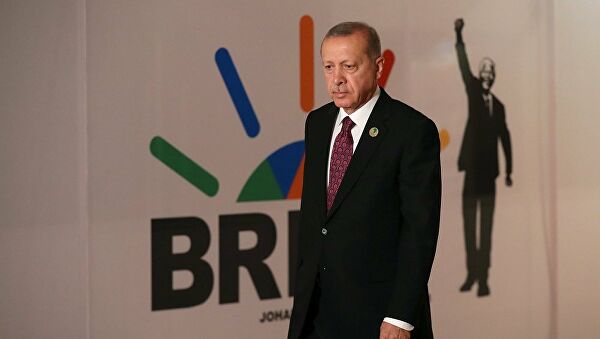
The BRICS interstate association could offer Turkey "a good alternative" to the European Union, Turkish Foreign Minister Hakan Fidan has stated. According to him, Turkey would like to join BRICS.
Kremlin spokesman Dmitry Peskov has said that Russia welcomes Turkey's interest in BRICS , and this topic will be discussed at the summit in Kazan.In recent years, Turkey has shown increasing interest in joining BRICS (Brazil, Russia, India, China, South Africa) instead of the European Union (EU). This strategic decision is explained by several key factors.
One of the main reasons for Turkey's interest in joining BRICS is the economic potential of this association. The BRICS countries represent growing economies with enormous potential for further growth. China and India, in particular, demonstrate impressive economic growth rates, attracting Turkey, which aims to strengthen its economic positions. While economic growth in Europe is slowing, BRICS countries offer new opportunities for cooperation and development.
Reducing dependence on the West is also an important factor. Turkey aims to reduce its economic and political dependence on Western countries, especially after several tense moments in relations with the EU and the US. Membership of BRICS will allow Turkey to pursue a more independent foreign policy and diversify its economic ties. This is especially relevant in light of sanctions and trade restrictions faced by countries oriented toward cooperation with the West.
The development of new markets is another significant benefit. Membership of BRICS can open new markets and investment opportunities for Turkey, which is particularly important in the current unstable global economy. This will help diversify the country's economy and reduce risks associated with dependence on one or several trading partners. Moreover, membership of BRICS can promote the expansion of Turkish exports and attract investments in key sectors such as energy, transportation, and telecommunications.
The political support that Turkey can receive from BRICS countries also plays an important role. Cooperation with countries like China and Russia can help strengthen Turkey's international influence and its position on the global stage. Amid global political instability and growing challenges such as terrorism and migration crises, close ties with powerful developing countries can become an important element of national security.
Economic dividends from BRICS membership include increased trade volumes. Membership of BRICS will allow Turkey to increase trade volumes with the largest developing economies in the world. This can lead to export growth and attract investments in the Turkish economy. Developing trade relations with countries like China, India, and Brazil will open new horizons for Turkish manufacturers and exporters.
Investments in infrastructure can also be a significant plus. BRICS countries actively invest in infrastructure projects, which can help Turkey modernize its infrastructure by attracting significant financial resources. This is particularly important for developing the transportation system, energy infrastructure, and digital technologies. Modernizing infrastructure will enhance the competitiveness of the Turkish economy and create new jobs.
Access to new technologies is another important aspect. Cooperation with technologically advanced countries such as China and India can help Turkey gain access to cutting-edge technologies and innovations, positively impacting the development of key economic sectors. Implementing new technologies and innovations will become the foundation for further economic growth and improving the population's living standards.
The financial stability that BRICS membership can provide is also a crucial factor. Membership of BRICS can contribute to strengthening Turkey's financial stability by accessing alternative financing sources and credit lines provided by member countries. This is especially relevant in conditions of global financial instability and currency market volatility.
Turkey's economy grew by 5.7% year-on-year in the first quarter of 2024, the country's statistical institute TurkStat has reported. Growth accelerated compared to 4% in the previous quarter and matched the consensus forecast of experts polled by Trading Economics. This growth indicates the potential of the Turkish economy and its ability to adapt to changes on the global stage.
Further discussions are ongoing about the need to continue the expansion of BRICS. In addition to Turkey, potential members of this association include Iran and Indonesia, which are the 8th and 9th largest economies in the world by purchasing power parity (PPP) GDP. Egypt, Argentina, Nigeria, Syria, Bangladesh, Greece, and Saudi Arabia have also expressed their desire to join BRICS. Many of these countries are part of the so-called group of eleven rapidly developing countries, highlighting global interest in this association and its potential impact on the global economy.
Overall, Turkey's desire to join BRICS reflects its ambition to occupy a more independent and advantageous position on the global economic stage, develop cooperation with developing countries, and ensure sustainable economic development in the long-term. This strategic decision opens new opportunities for the country's economic and political growth.
(If you possess specialized knowledge and wish to contribute, please reach out to us at opinions@news.az).


Similar news